Arizona Roofing Materials & Climate: What Works and What Fails
Arizona's climate is one of the most punishing roofing environments in the United States. Choosing the right arizona roofing materials climate match is not optional, it directly determines how long your roof lasts and how much you pay in repairs. Concrete tile, clay tile, and certain reflective membranes perform well here, while standard 3-tab asphalt shingles often fail within 15 years or less. Read this before you sign any roofing contract.
What Makes Arizona's Climate So Hard on Roofing Materials?
What specific climate factors damage roofs in Arizona? Arizona roofs face a triple threat: sustained UV radiation at index levels of 11 or higher, summer air temperatures exceeding 110°F, and a concentrated monsoon season running from June 15 through September 30 that delivers sudden heavy rain, hail, and high winds after months of bone-dry conditions.
According to NOAA's climate data for the Southwest region, Phoenix consistently records some of the highest annual solar radiation totals in the country. That radiation does not just fade paint, it breaks down organic binders in roofing materials, causes thermal expansion and contraction cycles that crack sealants and flashings, and degrades polymer-based membranes faster than manufacturers often project in their national spec sheets.
Roof deck temperatures in the Phoenix metro regularly reach 160°F to 180°F on dark surfaces. The Arizona Department of Environmental Quality has documented the urban heat island effect across the East Valley, showing that communities like Mesa, Chandler, Gilbert, and Tempe experience even higher localized heat loads than rural desert areas.
Then comes the monsoon. After months of UV stress and thermal cycling, roofing materials absorb sudden rain at rates that can reach 3 inches per hour. Cracked or brittle materials that seemed fine in May show active leaks in July. Flat and low-slope roofs are particularly exposed because standing water has nowhere to drain quickly.
Which Roofing Materials Actually Last in Arizona?
What roofing materials perform best in the Arizona desert climate? Concrete tile, clay tile, and two-ply or modified bitumen flat roofing systems are the top performers. Metal roofing is a strong secondary option. Standard 3-tab asphalt shingles are the weakest choice and typically reach the end of useful life in 15 to 20 years under Arizona conditions, sometimes less.
Concrete and Clay Tile
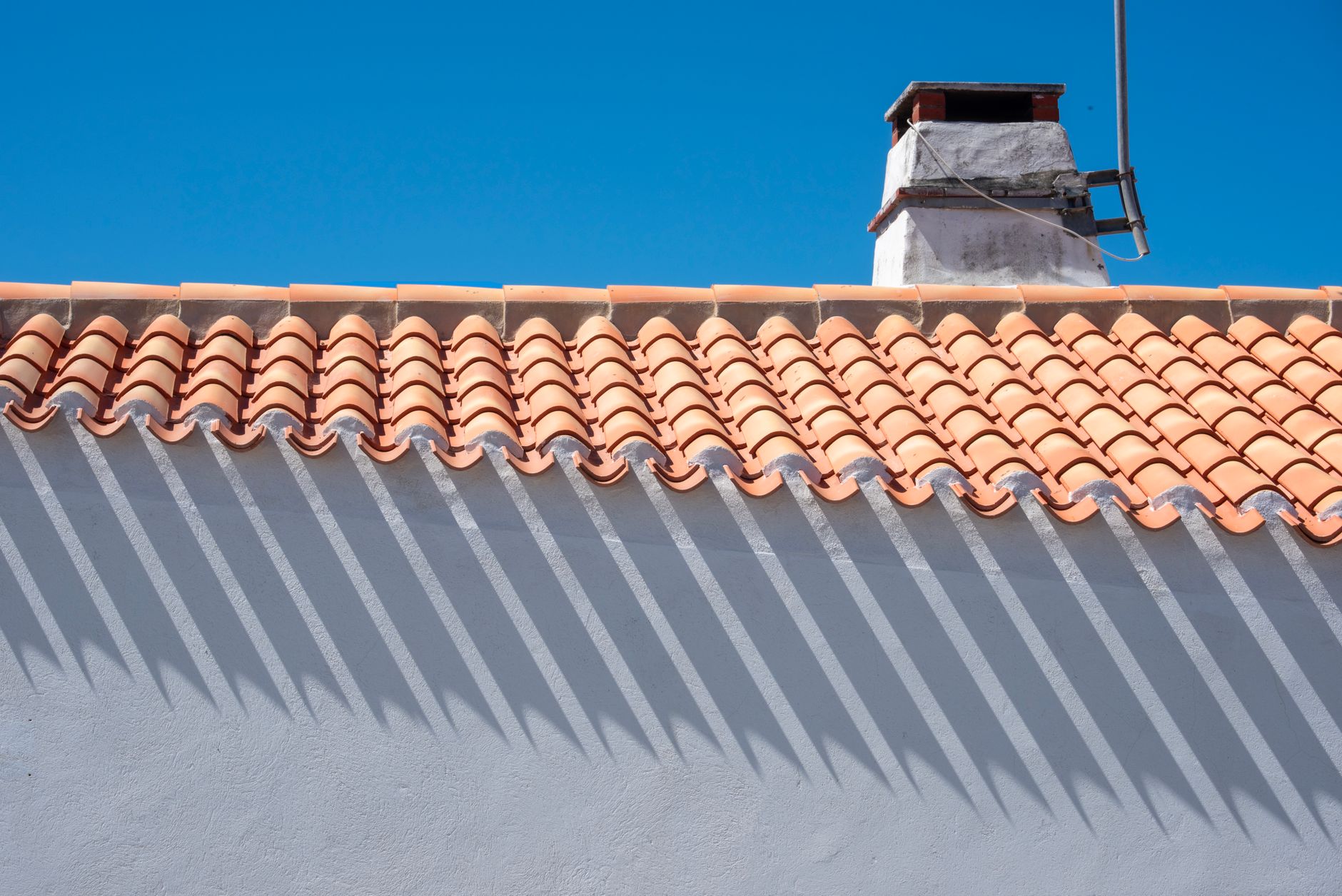
Is tile roofing really the best option for Arizona homes? Yes, for most pitched-roof homes in the Phoenix East Valley, tile is the dominant and most climate-appropriate choice. Clay tile can last 30 to 50 years in Arizona conditions, and concrete tile performs similarly with proper maintenance.
Tile works because it is inherently thermal mass. The air gap between tile and deck acts as insulation, reducing heat transfer into the living space. Tile does not degrade from UV exposure the way asphalt does. The National Roofing Contractors Association notes that clay and concrete tile systems, when installed with proper underlayment, outperform most other steep-slope systems in high-UV, high-temperature environments.
The honest caveat: tile is heavy. Homes need adequate structural support, typically 27 pounds per square foot or more. If you are re-roofing an older home, a structural assessment may be required before switching to tile. Also, tile does not mean the entire system is maintenance-free. The underlayment beneath tile still degrades, typically after 20 to 25 years, and leaks can develop at ridges and valleys even when the tile itself looks fine.
If your East Valley home already has tile and you are seeing water intrusion, do not assume you need a full re-roof. Check our guide on tile roof repair vs. replacement before calling for estimates.
Asphalt Shingles
Can asphalt shingles work in Arizona, and how long will they last? Architectural (dimensional) shingles can work and are code-compliant, but homeowners should expect a lifespan of 15 to 20 years in the Phoenix area, not the 30-year warranty period printed on the packaging, those ratings are based on moderate climates.
Standard 3-tab shingles are not recommended for new Arizona installations. Architectural shingles perform better because their layered construction handles thermal expansion more effectively. However, even the best shingles lose granules, blister, and crack faster here than in cooler states.
GAF's product documentation acknowledges that extreme temperature environments affect warranty performance, and many local roofers note that manufacturers' warranty claims in Arizona require extensive documentation of ventilation and installation standards that many homes do not meet.
If your existing shingle roof is under 12 years old, is not actively leaking, and shows only surface granule loss, you likely do not need a full replacement yet. Get an honest inspection first. See our page on roof inspection services in the East Valley for what that process looks like.
Metal Roofing
Is metal roofing a good choice for Arizona's heat and monsoon season? Metal roofing is an excellent choice for Arizona when properly installed with reflective coatings. Standing seam metal with a cool-roof coating can reflect up to 70% of solar radiation, significantly reducing attic temperatures.
Metal expands and contracts with temperature swings, which is manageable with concealed fastener systems. Exposed fastener panels can develop leaks over time as rubber grommets degrade from UV exposure. The U.S. Department of Energy's Energy Efficiency resources confirm that cool metal roofing can reduce cooling energy use by 10 to 25% in hot climates like Arizona's.
Metal is also one of the better options for monsoon resilience. Properly installed standing seam panels shed water efficiently and resist the wind uplift forces that accompany haboobs and monsoon storm cells.
Flat and Low-Slope Roofing Systems
What is the best flat roof material for Arizona homes? Two-ply modified bitumen or TPO (Thermoplastic Polyolefin) membranes with reflective white surfaces are the standard recommendation. Single-ply systems work but require diligent maintenance, especially around penetrations and drains.
Many East Valley homes, particularly ranch-style builds common in Mesa and Gilbert, have sections of flat or low-slope roof adjacent to tile sections. These transition zones are frequent leak points during monsoon season. A two-ply system adds redundancy that single-ply cannot match.
Foam roofing (spray polyurethane foam) has a loyal following among some Arizona contractors and can perform well when re-coated every 5 to 7 years. However, deferred maintenance on foam roofs leads to rapid deterioration, and re-coating costs are ongoing. Factor that into long-term cost comparisons.
How Does Arizona's UV Index Affect Roofing Material Choices?
What does a UV index of 11+ actually do to roofing materials over time? At UV index levels of 11 and above, which are routine in the Phoenix metro from April through September, organic compounds in roofing materials break down significantly faster than manufacturer testing reflects. Granule loss accelerates on shingles, sealants around flashings crack, and polymer membranes chalk and become brittle.
NOAA's UV Index data places Phoenix among the top U.S. cities for cumulative annual UV exposure. This is not just a cosmetic issue. UV degradation compromises waterproofing integrity before physical storm damage occurs.
This is why material selection matters more than in moderate climates. A product with a 30-year rating in Minneapolis may deliver 15 to 18 years of performance in Scottsdale. Ask any contractor you hire to provide local project references, not just national warranty literature.
What About Ventilation and Its Role in Material Lifespan?
Does attic ventilation actually extend roofing material life in Arizona? Yes, significantly. Without adequate ventilation, attic temperatures can reach 150°F to 160°F, which accelerates shingle degradation from below while UV attacks from above. Proper ridge and soffit ventilation keeps attic temperatures closer to 100°F to 110°F, meaningfully extending material lifespan.
The National Roofing Contractors Association recommends a minimum of 1 square foot of net free ventilation area per 150 square feet of attic floor space. Many older East Valley homes fall short of this standard. When ventilation is inadequate, even premium materials underperform.
If you are getting a re-roof estimate, ask specifically whether the contractor will assess and address ventilation. It should not be an upsell, it should be part of any responsible East Valley roofing job. Learn more at our ventilation and roofing overview.
How Does Monsoon Season Affect Roofing Material Performance?
Does Arizona's monsoon season cause more damage than the summer heat? Monsoon season (June 15 through September 30) often exposes weaknesses that summer heat created. Materials that have been UV-stressed and thermally cycled for months suddenly face high rain volume, wind-driven debris, and in some years, hail.
Flat roofs are most vulnerable because drainage becomes critical. Clogged drains or improperly pitched sections allow water to pond, and even a membrane with no visible damage can leak at seams under sustained hydrostatic pressure. Pitched tile roofs can experience cracked tiles from hail or wind-blown debris.
The other risk is flashing and sealant failure. Sealants around chimneys, skylights, and HVAC penetrations that dried out during spring often fail when rain finally arrives. This is a maintenance issue, not always a material failure, and it is worth having penetrations inspected each May before monsoon arrives.
What Does Roofing Material Choice Mean for Energy Costs in Arizona?
Do cool roofing materials actually reduce energy bills in Phoenix? Yes, and the savings are measurable. Reflective roofing surfaces, particularly white TPO membranes and cool-rated tile finishes, can reduce attic temperatures by 20 to 30 degrees Fahrenheit, which translates to lower air conditioning loads during the months when electricity costs peak.
The U.S. Department of Energy estimates 10 to 15% cooling savings for residential cool roofs in hot climates. For a Phoenix home running air conditioning nine months of the year, that is a real number. The Remodeling Magazine Cost vs. Value Report consistently shows roofing projects in the Southwest delivering above-average resale value returns partly because buyers recognize energy performance.
Arizona's APS and SRP utility programs have historically offered rebates for cool roof installations. Check current program availability before your project, as these programs change annually.
Do You Actually Need a New Roof, or Just Repairs?
How do homeowners know when a roof needs full replacement vs. targeted repairs? Most Arizona roofs do not need full replacement the moment they show wear. Tile roofs with localized cracked tiles, failed flashing, or degraded underlayment at penetrations can often be repaired cost-effectively. Shingle roofs under 15 years old with spot damage are also usually repair candidates.
Signs that suggest full replacement is the right call:
- Shingle roofs over 18 to 20 years old with widespread granule loss, blistering, or curling
- Active leaks from multiple locations simultaneously
- Underlayment failure visible on inspection across the full roof area
- Structural deck damage from long-term moisture infiltration
- Tile system where the underlayment is original and over 25 years old
Get at least two independent assessments before committing to a full re-roof. Some contractors benefit financially from replacement recommendations regardless of actual need. Our breakdown of repair vs. replacement decision factors walks through this in detail.
FAQ
How long do asphalt shingles last in Arizona compared to other states? In moderate climates, architectural shingles often reach 25 to 30 years. In the Phoenix metro, expect 15 to 20 years under normal conditions. UV exposure at index 11+ and thermal cycling in summer significantly accelerate granule loss and binder degradation. Premium shingles with higher granule embedment rates perform better, but no asphalt shingle matches clay or concrete tile longevity in the Arizona desert.
Is clay tile or concrete tile better for Phoenix East Valley homes? Both perform well. Clay tile is lighter and more UV-stable over very long timeframes, with lifespans reaching 50 years or more. Concrete tile is typically less expensive upfront and performs reliably for 30 to 40 years with proper underlayment maintenance. The choice often comes down to budget and aesthetic preference rather than climate performance differences.
Does a cool roof coating help with Arizona heat? Yes. Reflective coatings on flat membranes, metal roofing, and even tile surfaces reduce surface temperatures meaningfully. The DOE documents 10 to 25% cooling energy reduction potential in hot climates. For flat-roofed sections on East Valley homes, a white TPO membrane or a reflective elastomeric coating applied to existing foam is one of the most cost-effective improvements available.
What roofing materials hold up best in monsoon hail? Concrete tile and metal roofing (Class 4 impact-rated) offer the strongest hail resistance. Clay tile can crack under large hail but generally outperforms asphalt shingles. If your area has seen repeated hail events, ask contractors specifically about Class 4 impact-rated products, some homeowners insurance policies in Arizona offer premium discounts for these materials.
How often should Arizona homeowners inspect their roofs? Twice per year is the standard recommendation: once in late April or May before monsoon season begins, and once in October after monsoon season ends. Tile systems also benefit from a more detailed inspection every 5 years to check underlayment condition at valleys, ridges, and penetrations. Do not wait for an active leak to schedule an inspection.
Can I install a new roof over my existing shingles in Arizona? Building codes in most Arizona municipalities permit one layer of shingles over an existing layer. However, doing so traps heat between layers, accelerating degradation of both the new and old material. Given Arizona's extreme heat environment, most experienced local roofers recommend a full tear-off. The cost difference is real, but so is the performance difference over time.
Know your number before you call a roofer.
Free Roof Cost Estimate