How Long Does a Roof Last in Arizona? Lifespans by Material, Honestly
TLDR: National lifespan ratings on roofing materials assume milder climates. In Arizona, shingles rated for 25–30 years nationally last 15–20 years. Tile rated for 50 years holds up, but the underlayment beneath it fails every 15–20 years, and that's the repair you actually need. Metal is the most durable material in Arizona's climate, typically running 40–70 years. This guide gives Arizona-actual lifespans by material, the specific conditions that shorten them, and the warning signs that tell you a replacement is 1–2 years away.
Manufacturer lifespan ratings are written for conditions that do not describe Arizona. A shingle rated "30-year" is rated in conditions that include moderate sun, standard temperature cycling, and limited UV load. In Phoenix, Chandler, Scottsdale, and Mesa, summer roof surface temperatures exceed 150°F, UV radiation runs at 9–10 on the index scale for most of the year, and thermal cycling, expansion and contraction, happens daily. These conditions compress every lifespan estimate.
The useful question is not "how long is this rated for?" but "how long does it actually last in this climate?"
How long does an asphalt shingle roof last in Arizona?
15–20 years for standard architectural shingles. Premium luxury shingles with enhanced UV coatings can reach 20–25 years. Three-tab shingles at the low end often fail in 12–15 years.
The national average for architectural shingles is 25–30 years. Arizona's UV load and heat degradation cut that roughly in half. At 150°F+ surface temperatures, the asphalt binder that holds ceramic granules to the shingle softens and releases granules progressively. Once granule loss accelerates, the underlying asphalt layer is exposed to direct UV, and degradation accelerates further.
Shingles also expand and contract with daily temperature swings, from 150°F surface in summer to 40°F overnight in winter, and the cumulative mechanical stress causes cracking along shingle edges and at fastener points over time.
How long does a tile roof last in Arizona?
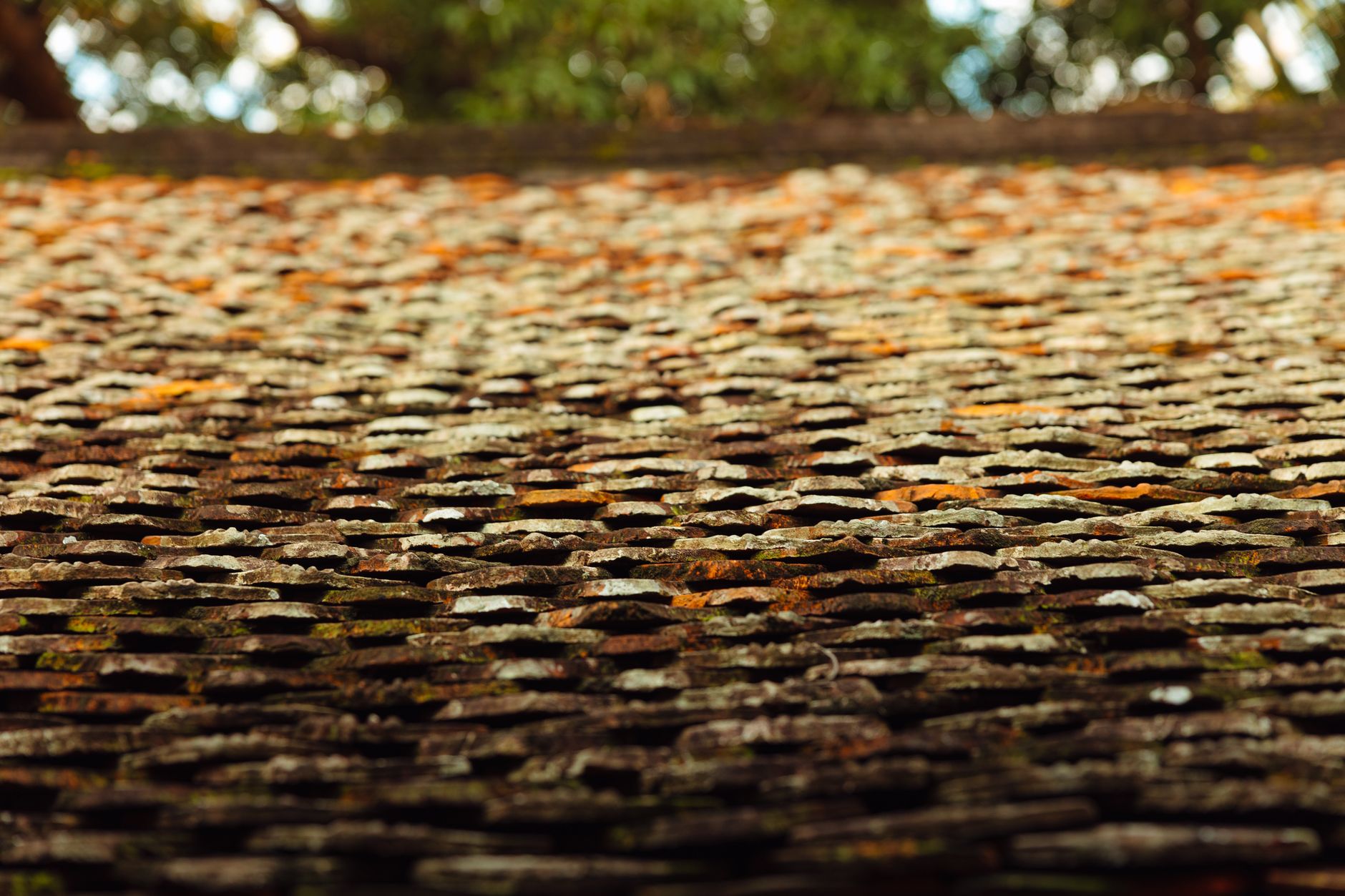
Tile itself: 50+ years. Clay tile can exceed 100 years in some cases. Concrete tile runs 40–60 years. The tile material is not what fails in Arizona.
The underlayment beneath the tile: 15–20 years. Standard felt underlayment dries out in Arizona's heat faster than in cooler climates, often closer to 12–15 years for older 15lb felt. When the underlayment fails, the tile looks completely fine from the ground while water is infiltrating the roof deck on every rain event.
This is the most common and most misunderstood roof problem in Arizona. If you have a tile roof that is 15+ years old and you are seeing any signs of moisture intrusion, staining on ceilings, paint bubbling near eaves, the tile is almost certainly not the source of the problem. The underlayment is.
The solution is a tile lift-and-relay: remove the existing tile, replace the dried underlayment with a high-heat synthetic product, and reinstall the original tile. Cost: $4.00–$6.50/sq ft vs. $9.65–$14.00/sq ft for full replacement. If your tile is in good condition, a lift-and-relay extends the roof's life another 15–20 years without the cost of new material.
How long does a metal roof last in Arizona?
40–70 years, depending on system type and coating. Exposed fastener steel panels are at the lower end (40–50 years) because UV exposure eventually degrades the rubber washers at each screw point. Standing seam systems with hidden fasteners run 50–70 years and are the most durable residential roofing choice in Arizona's climate.
Metal performs well in Arizona specifically because it does not absorb and release heat the way asphalt does. Properly coated steel or aluminum with a PVDF (Kynar) finish reflects solar radiation and stays cooler than dark tile, contributing to lower cooling costs in addition to longer lifespan.
How long does a foam (SPF) roof last in Arizona?
25–35 years with proper maintenance. Spray polyurethane foam roofing is common on flat and low-slope Arizona homes from the 1970s–1990s. The foam itself is durable, but the acrylic elastomeric coating that makes it watertight degrades under UV exposure and needs recoating every 8–12 years.
An SPF roof that receives regular recoating on schedule can extend its lifespan almost indefinitely. One that misses recoating cycles develops surface degradation that eventually requires full replacement. If you own a flat-roof Arizona home and do not know when your foam roof was last recoated, a licensed SPF contractor can assess the coating thickness and condition in under an hour.
What conditions shorten a roof's lifespan in Arizona?
Three factors beyond UV and heat:
Attic ventilation. Poor attic ventilation traps heat, raising the temperature of the roof deck and the underside of roofing materials from below while the sun beats down from above. Properly ventilated attics reduce roof deck temperature by 20–40°F, which directly extends material lifespan. If your attic gets above 140°F in summer, inadequate ventilation is shortening your roof's life.
Low-grade underlayment. Standard 15lb felt was never designed for Arizona's heat. High-heat synthetic underlayment (products like Grace Ice and Water, Owens Corning WeatherLock, or equivalent) is standard in quality Arizona installations. Any roof installed with basic felt before 2010 has underlayment that is likely at or past its useful life.
Improper installation. Shingles installed without adequate nailing pattern or without manufacturer's starter strips degrade faster at the edges. Tile installed without proper mortar at ridges and hips allows wind-driven rain infiltration. These installation shortcuts don't show up for years, they show up right at the midpoint of the roof's expected lifespan, when you least expect to need a replacement.
What are the signs that an Arizona roof needs replacement soon?
On a shingle roof, look for:
- Granule loss in gutters or downspout splash areas, fine ceramic granules in significant quantity mean the shingles are actively degrading
- Visible cracking or curling at shingle edges or corners
- Bare patches where granules have worn away, exposing the darker asphalt layer underneath
- Shingles that are darker in isolated areas, this indicates moisture absorption, meaning the granule protection has failed in those spots
On a tile roof, the tile usually looks fine even when replacement is needed. Look instead for:
- Interior ceiling staining near the eaves or below roof penetrations (vents, skylights)
- Soft spots or sponginess when the roof deck is walked on during inspection
- Mortar failure at ridges and hip tiles, visible as cracking or missing mortar sections at the high points of the roof
- Tile installed before 2005 in an area that has never had underlayment work, the underlayment is statistically overdue
How do I know when to repair vs replace my Arizona roof?
A useful age-based framework:
- Under 10 years: repair any isolated damage, no replacement needed
- 10–15 years (shingles): repair if damage is isolated to one slope; begin budgeting for replacement within 5 years
- 15+ years (shingles): get a professional condition assessment; replacement is likely within 2–3 years regardless of visible condition
- 15–20 years (tile): underlayment is likely at end of life; get an inspection before the next monsoon season
- Any age with active leaks: get a professional assessment immediately, undetected water intrusion causes decking damage that escalates cost quickly
Our guide on roof replacement costs in Arizona has current per-square-foot pricing if you are ready to estimate the replacement budget.
For the questions homeowners ask most often about roof age, replacement timing, and whether a quote is fair, see roofing advice from Reddit.
Frequently Asked Questions
How can I find out how old my Arizona roof is? The building permit for the original installation or any prior replacement is on file with your city or county building department. Many cities in Maricopa County, including Chandler, Gilbert, and Mesa, have online permit lookup portals. Your homeowner's insurance file may also list the roof installation date. If you are buying a home, request the roof age in the seller's disclosure.
Does Arizona's dry climate help or hurt roof lifespan? It depends on the material. Dry air prevents the moss, algae, and moisture-related decay that shortens roof life in humid climates. But the UV load, heat, and thermal cycling are far more destructive than moisture for asphalt-based products. Net effect: tile, metal, and foam last longer than they would in a humid climate; asphalt shingles last shorter.
Does attic ventilation really extend roof life? Yes, materially. Proper attic ventilation, calculated at 1 sq ft of vent area per 150 sq ft of attic floor space per IRC standards, reduces roof deck temperature and prevents heat from building up beneath the roofing material from below. An under-ventilated attic can add years of heat stress that shortens shingle life by 3–5 years. If your attic is not properly ventilated, it is worth addressing before your next roof replacement.
Why does my tile roof look fine but my ceiling has stains? Because tile does not fail, the underlayment beneath the tile does. Tile can look 100% intact from the ground while the dried underlayment lets water pass through on any significant rain event. Ceiling stains on a tile roof home almost always indicate underlayment failure, not cracked tile. The fix is a tile lift-and-relay, not full roof replacement.
What is the cheapest way to extend an Arizona roof's lifespan? Annual or semi-annual inspections that catch small issues before they become large ones. A $200–$400 inspection that identifies a small flashing failure or mortar crack prevents a $1,500–$3,000 deck repair down the line. Cleaning gutters and roof drains before monsoon season removes debris that traps moisture. On a foam roof, recoating on schedule is the single most cost-effective maintenance action.
When you are ready to estimate what replacement would cost, use our free roof cost estimator to get a range based on your home size and material in under 60 seconds.
*Related reading on RoofInstall.net:*
Know your number before you call a roofer.
Free Roof Cost Estimate