Can I Get a New Roof for Free From Insurance?
Usually no, and anyone who promises you a free roof deserves suspicion. Homeowners insurance pays to repair or replace a roof damaged suddenly by a covered event like hail or wind, minus your deductible, which you always pay. It does not buy you a new roof because your old one wore out. Contractors who pitch a free roof or offer to waive your deductible are describing insurance fraud, not a deal.
The "free roof" pitch shows up in Arizona every monsoon season. A door knocker tells you the recent storm damaged your roof, insurance will cover a full replacement, and you will not pay a dime. It sounds generous. It is usually either a misunderstanding of how insurance works or the setup for fraud.
Insurance can absolutely pay for a legitimate storm-damaged roof, and that is worth pursuing. But "covered by insurance" and "free" are not the same thing, and the difference is where homeowners get burned.
Can you actually get a free roof from insurance?
No. Insurance is not a roof-replacement program. It covers sudden, accidental damage from a specific covered peril, and even then you pay your deductible out of pocket. What you can get is help paying to fix real storm damage, which is not the same as a free roof.
The word "free" is the tell. A covered claim reduces your cost, it does not eliminate it. State insurance regulators, including the Ohio Department of Insurance guidance on roof insurance repair and replacement, describe coverage as reimbursement for covered damage above your deductible, never a giveaway. If someone says the roof will cost you nothing, they are either mistaken or planning to make up the difference somewhere you will not see.
What does homeowners insurance actually cover?
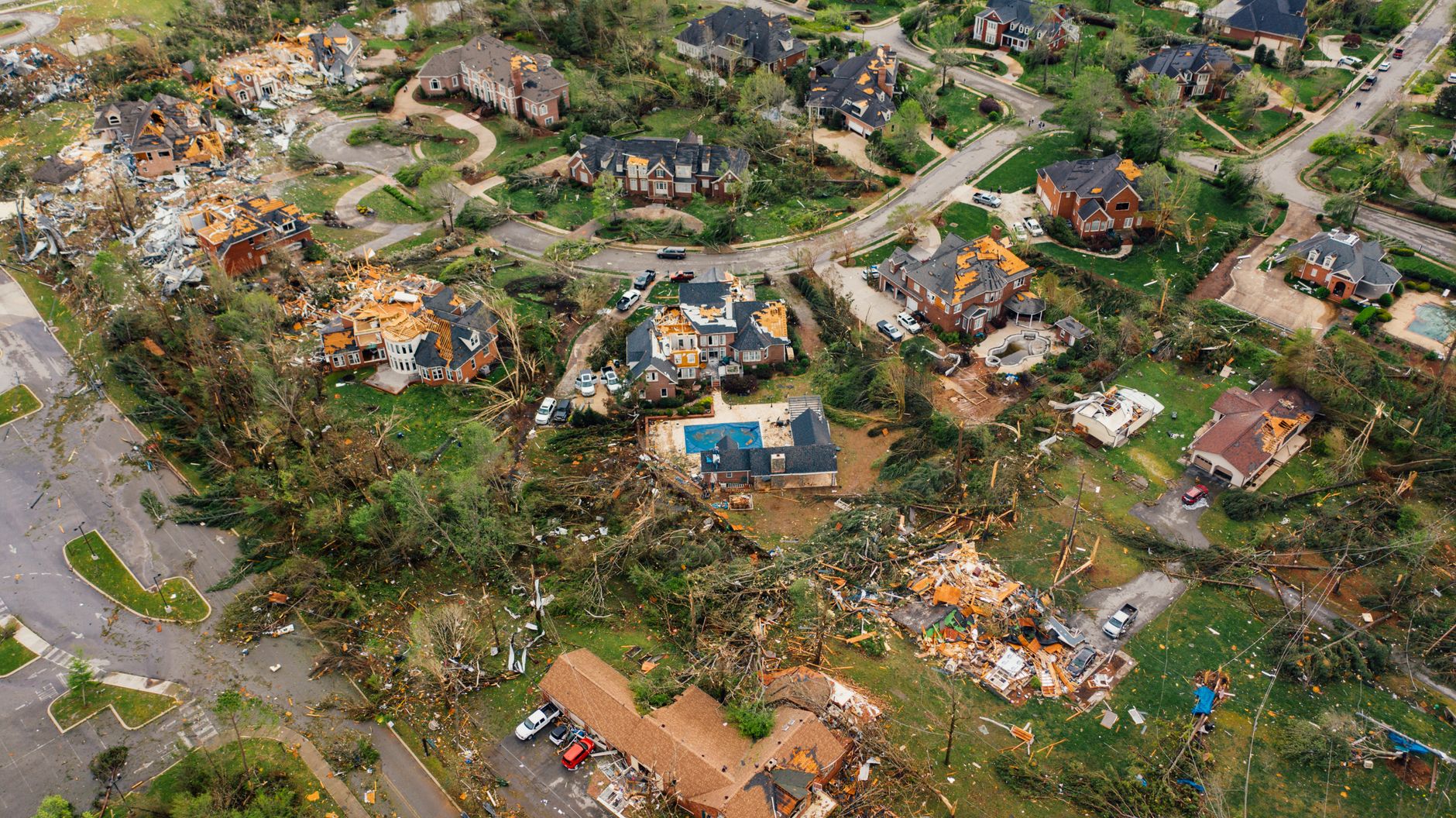
Insurance covers roof damage from sudden, accidental events: hail, wind, fallen trees, and fire. It does not cover wear, age, or neglect. A roof that failed because it reached the end of its life is a maintenance expense, not a claim.
This is the line adjusters draw. The National Association of Insurance Commissioners overview of homeowners insurance explains that policies pay for sudden damage, not gradual deterioration. In Arizona, the most common covered events are monsoon wind and hail. If your shingles are simply bald from 18 years of UV exposure, that is wear and tear, and it is excluded. For what a covered claim looks like, see hail damage roofs in Arizona and what Arizona homeowners insurance covers for roofs.
Why you always pay the deductible
Every roof claim is reduced by your deductible, the amount you agreed to pay before insurance contributes. If your deductible is $2,000 and the covered repair is $12,000, insurance pays $10,000 and you pay $2,000. There is no version of a covered claim where your out-of-pocket cost is zero.
Some policies also complicate the math with a separate wind or hail deductible, often set as a percentage of your home's value. The NAIC explanation of hurricane and storm deductibles covers how those work. Older roofs face another catch: many policies pay actual cash value rather than replacement cost, which subtracts depreciation. The NAIC guide to the difference between replacement cost and actual cash value explains why an aging roof may pay out far less than a new one costs.
Why the free roof pitch is a red flag
When a contractor promises a free roof, the "free" usually comes from waiving or absorbing your deductible, which is illegal. Regulators treat it as insurance fraud because it inflates the claim to cover the deductible the insurer expects you to pay. Signing on makes you part of it.
State insurance departments are blunt about this. The Texas Department of Insurance explains that a contractor cannot legally waive your deductible, and the same principle applies in Arizona. A roofer who offers to eat the deductible is either committing fraud or padding the estimate to recover it, sometimes with work you did not need. These pitches spike after storms, when out-of-state crews chase the weather. Read our guides on roofing scams in Arizona and storm chaser roofers to spot them.
How to get a legitimate storm claim paid
If a storm genuinely damaged your roof, document it, file promptly, and pay your deductible. That is the real path, and it can cover most of a replacement when the damage is severe. The key is proving the damage was sudden and storm-caused, not gradual.
Photograph the damage, note the storm date, and get an inspection from a licensed local roofer before you file. Then work the claim properly. If you hit a dispute, escalate to the Arizona Department of Insurance and Financial Institutions consumer insurance resources or file a complaint with the department. The NRCA guidance on storm roof repairs and its broader homeowner roofing resources explain how to document damage credibly. Our walkthrough on how to file a roof insurance claim covers the steps in order.
Frequently Asked Questions
Is it illegal for a roofer to waive my deductible? Yes, in Arizona and most states. Waiving or absorbing your deductible is insurance fraud because the deductible is your legal share of the claim. A contractor offering to make it disappear is either breaking the law or padding the estimate to recover it.
Will insurance pay for my old, worn-out roof? No. Wear, age, and neglect are excluded. Insurance pays for sudden damage from a covered event like hail or wind. A roof that simply reached the end of its life is a replacement you pay for, though financing and tax credits can help.
How much will I actually pay out of pocket? At least your deductible. On older roofs, policies that pay actual cash value subtract depreciation, so your out-of-pocket share can be larger than the deductible alone. Read your policy for whether it pays replacement cost or actual cash value.
A contractor said the storm damaged my roof and insurance will cover it. Should I trust them? Get your own licensed inspection first. Storm chasers routinely overstate damage to generate claims. Verify the damage independently, confirm the contractor is licensed in Arizona, and never let anyone file a claim on your behalf sight unseen.
Does filing a storm claim raise my premium? It can, and repeated claims can affect your rate or renewal. Weigh a borderline claim against the deductible and the possible premium effect. A severe, well-documented storm claim is usually worth filing; a minor one may not be.
What if my roof is damaged but the claim is denied? You can appeal and escalate. Request the claim file, get an independent inspection, file a written appeal, and complain to the Arizona Department of Insurance if the denial does not hold up. A denial is not the final word.
Know your number before you call a roofer.
Free Roof Cost Estimate