How Long Does a Roof Replacement Take in Arizona?
TLDR: The physical roofing work on an average Arizona home takes 1 to 3 days for shingles, 3 to 7 days for concrete or clay tile, and 1 to 3 days for foam. Total project time including permit issuance, inspections, and scheduling typically runs 2 to 4 weeks from contract signing to final inspection sign-off. Monsoon season timing, roof complexity, and material availability all affect how far out a start date will be.
When a roofer gives you a price, the next question is usually how long the job will take. In Arizona, the answer has two parts: the number of days workers are physically on your roof, and the total elapsed time from signing a contract to holding a completed permit.
These are often very different numbers. A tile re-roof might involve 4 days of active installation, but take 3 weeks total because of permit processing time, material delivery lead time, and the inspector availability window. Planning around that total timeline, not just the installation days, prevents scheduling surprises.
How long does it take to replace an asphalt shingle roof in Arizona?
For an average Phoenix-area home with a simple gable or hip roofline, asphalt shingle replacement typically runs:
- Small home (under 1,500 sq ft): 1 day
- Average home (1,500 to 2,500 sq ft): 1 to 2 days
- Larger or more complex roof (2,500+ sq ft or multiple pitches): 2 to 3 days
Shingle installation is the fastest full re-roofing process because the material is lightweight, cuts quickly, and does not require precise hand-setting. A full crew of 4 to 6 installers can tear off and reshingle a typical Phoenix home in a single long day.
How long does it take to replace a tile roof in Arizona?
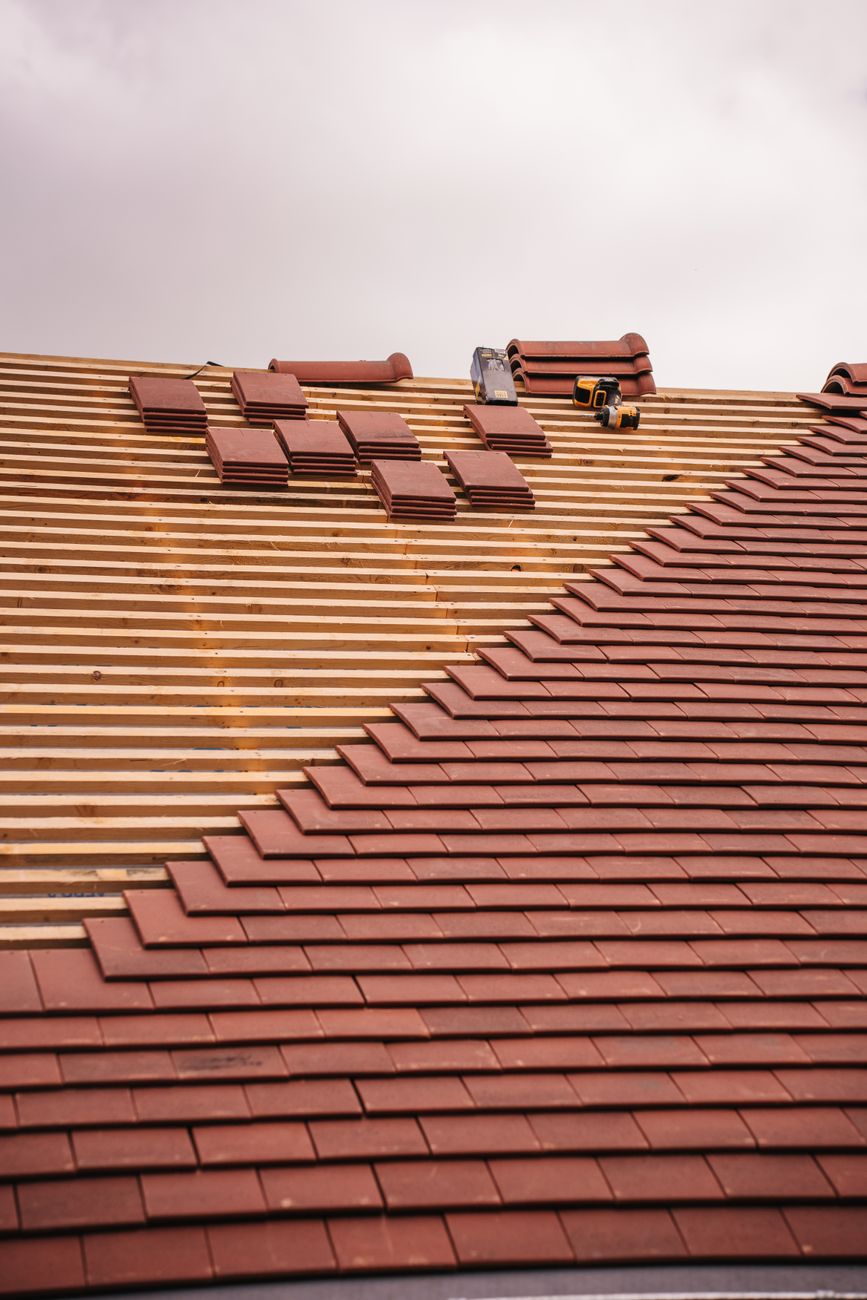
Tile replacement takes significantly longer than shingles. Concrete and clay tile is heavy, must be hand-set piece by piece, and involves careful work around hips, ridges, and penetrations.
Typical timelines: - Small flat-to-low-slope tile roof (under 1,500 sq ft): 2 to 4 days - Average tile roof (1,500 to 2,500 sq ft): 4 to 6 days - Large or complex tile roof: 6 to 10 days
These ranges assume a standard Phoenix-area crew size and straightforward access. A steeply pitched roof or a home with many valleys, dormers, skylights, or chimneys adds meaningful time. The NRCA notes that tile installation requires skilled labor for proper setting and alignment, rushing tile work to compress the timeline increases the risk of improper installation.
How long does it take to replace a foam roof in Arizona?
Foam (SPF) roofing moves faster than tile but involves cure time between the foam application and topcoat stages.
- Typical flat-to-low-slope foam project: 1 to 3 days
- Surface preparation, foam spraying, and topcoat application usually happen across 2 separate days to allow the foam to fully cure before the coating is applied
Foam roofing cannot be applied in high wind conditions or when rain is forecast within the cure window, which makes scheduling during Arizona's monsoon season (June through September) less predictable than during spring.
What affects the total project timeline beyond installation days?
The installation days are only part of the picture. Several factors extend the total elapsed time:
Permit processing: Roof replacement in Maricopa County cities requires a building permit. Most Phoenix-area cities process straightforward roofing permits in 5 to 10 business days, though busy seasons can push that to 2 weeks or more. Some contractors use expedited permit services for an additional fee. See Maricopa County roofing permit requirements for what the permit process involves.
Material lead time: Concrete tile is the most common Arizona roofing material, and most colors are stocked locally. Specialty tile colors, discontinued profiles, or premium shingles may require ordering, adding 1 to 3 weeks before work can begin.
Inspection scheduling: Most Maricopa County cities require a deck or underlayment inspection after tear-off and before the tile or shingles are installed. Inspector availability varies by city and season, scheduling that inspection can add 2 to 5 days mid-project.
Weather: Arizona's monsoon season (roughly June through September) introduces daily afternoon weather uncertainty. Roofing work stops in rain or lightning. A project that would take 4 days in dry spring conditions may take 6 to 7 days if afternoon storms interrupt work sessions repeatedly.
Roof complexity: Every valley, skylight, chimney, solar penetration, or HVAC curb adds time. A roof with 8 penetrations takes significantly longer than a clean gable roof with 2.
What is the full timeline from contract to completion?
A realistic timeline for a standard Arizona tile re-roof:
| Step | Time | |------|------| | Bid comparison and contract signing | 1 to 2 weeks | | Permit submission and processing | 5 to 14 business days | | Material delivery and scheduling | 3 to 7 days after permit | | Active installation (tile) | 4 to 7 days | | Deck inspection (mid-project) | 1 to 3 days wait | | Final inspection scheduling | 2 to 5 days after completion | | Total elapsed time | 4 to 8 weeks |
For shingles, the same flow typically compresses to 2 to 4 weeks total because installation is faster and permit processing timelines are similar.
If your project has a hard deadline, you are selling, you have a move-in date, or you want the roof done before monsoon season, communicate that to contractors when requesting bids. A contractor who books 6 weeks out cannot compress to 3 weeks just because you ask. Knowing your timeline constraint early in the process gives you the ability to act before lead times close the window.
What happens on installation day?
Knowing the sequence helps you prepare your home and set expectations:
- Crew arrives early, typically 6:00 to 7:00 AM in Arizona summer to work before peak heat
- Soft goods protection, tarps over AC units, pool equipment, and planted areas around the foundation
- Tear-off, old material is removed and thrown into a dumpster or trailer; the roof deck is exposed
- Deck inspection, contractor checks for soft spots, rot, or compromised sheathing
- Underlayment installation, synthetic or felt is rolled and secured across the deck
- Midpoint inspection (if required by your city), inspector visits before tile or shingles are installed
- Primary material installation, tile is set, shingles are nailed, or foam is sprayed
- Flashing, ridge cap, and trim, all transition points and edges are completed
- Cleanup, magnetic nail sweep of the yard, dumpster removal, final site walkthrough
On a shingle job, steps 1 through 8 often happen in a single day. On a tile job, steps are spread across multiple days.
How should you prepare your home before the crew arrives?
Roof replacement creates vibration and debris throughout the project. A few steps protect your property:
- Remove wall art, mirrors, and shelved items near exterior walls, vibration from nail guns and tile impact can knock things down
- Park vehicles away from the home or garage entrance
- Keep pets indoors for the full project duration
- Trim tree branches overhanging the roof if possible, or point them out to the foreman so the crew can work around them
- Note the location of any buried irrigation lines near where the dumpster will be placed
Ask your contractor which questions to confirm with a roofing contractor before work begins, including start time, crew size, and daily cleanup expectations.
What is the best time of year to replace a roof in Arizona?
October through May. Arizona's dry season produces stable, predictable weather that allows roofing work to proceed on schedule. Spring (March through May) is particularly good, temperatures are manageable for the crew, material availability is typically strong, and the project is complete well before the June monsoon onset.
Replacing a roof in June through September is possible but involves weather delays and more complex scheduling. If your roof needs immediate attention during monsoon season, good contractors still work through it, they just schedule earlier start times and plan for interruptions.
See roof replacement cost in Arizona for 2026 for current pricing across all material types, and what a roofing estimate should include to confirm your contract covers the full project scope before work begins.
Frequently Asked Questions
Do I need to be home during the roof replacement? Not for the entire project, but you or a trusted contact should be reachable. Be home for the start of the first day so you can walk through any last-minute questions with the foreman. If a midpoint inspection is required, the contractor will notify you of the timing.
Will roof replacement damage my landscaping? Tear-off debris can land on plants near the house. Most Arizona roofing contractors protect larger plants and hardscape with tarps, but small plants close to the foundation may get bruised. Protect anything fragile before the crew arrives.
What happens if it rains mid-project? A responsible contractor leaves the exposed deck protected with tarps if rain is forecast before the underlayment is complete. If rain is unexpected and the deck gets wet, work should pause until the wood dries adequately before underlayment is installed.
Can a roof replacement be done in one day? For a smaller home with a simple roofline, asphalt shingle replacement can be completed start-to-finish in one day. Tile replacement over one day is possible on very small roofs but uncommon on a standard Phoenix-area home. Foam roofing always requires at least two days due to cure time between foam application and topcoat.
How long does the permit process add to the total timeline? Most Maricopa County cities process a standard roofing permit in 5 to 10 business days. During peak season or after a major storm event that triggers many simultaneous permit applications, that can extend to 2 weeks. Your contractor should submit the permit application immediately after contract signing to minimize the wait.
Know your number before you call a roofer.
Free Roof Cost Estimate