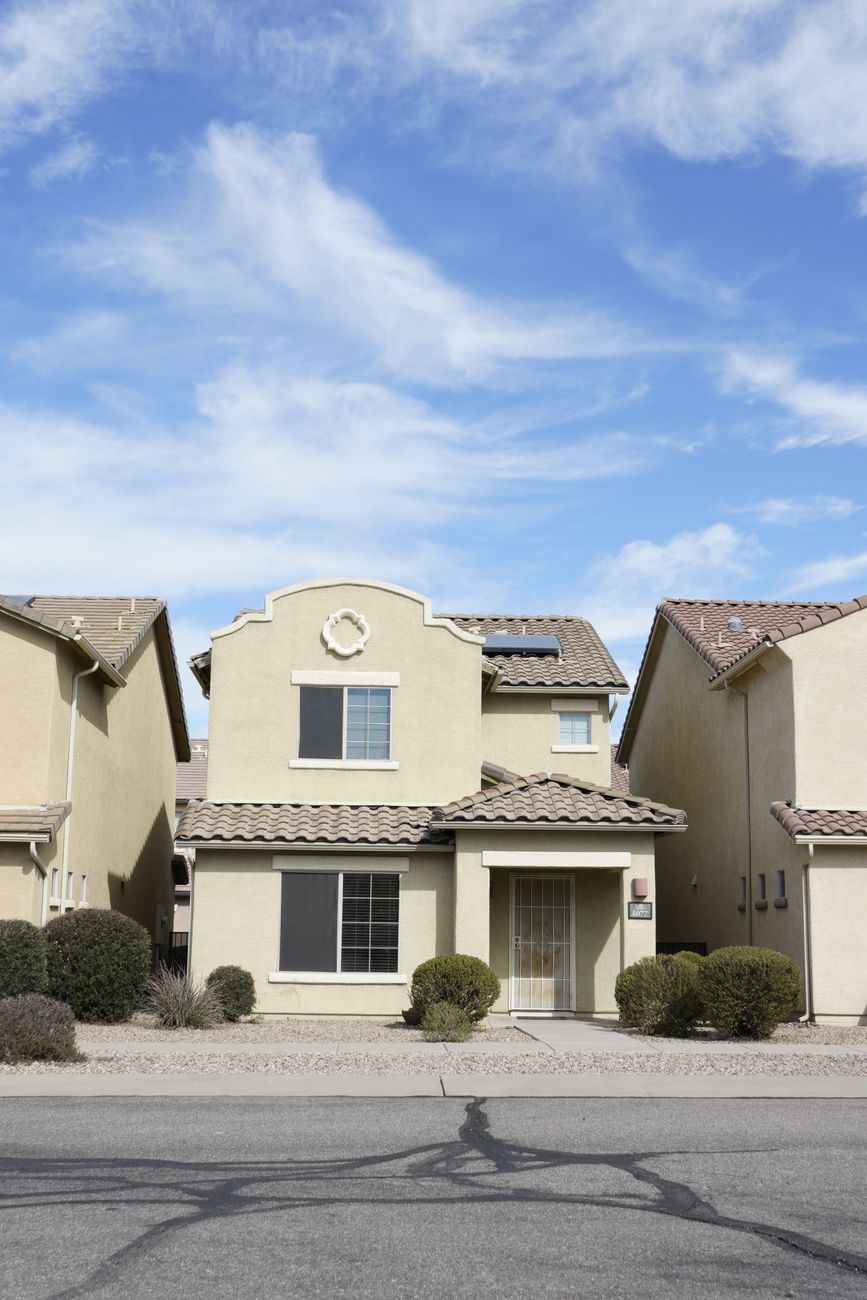
Should You Replace Your Roof Before Selling Your House in Arizona?
TLDR: Whether to replace an Arizona roof before listing depends on three things: the roof's actual condition, the buyer pool you expect, and whether your lender situation requires it. A roof near end of life will surface in the home inspection and typically triggers a buyer credit demand or price reduction anyway. In many cases, proactive replacement produces a cleaner sale than waiting for the inspection to force the conversation, but a pre-listing inspection first tells you exactly where you stand before spending the money.
Deciding whether to replace a roof before selling is one of the more expensive pre-listing decisions an Arizona homeowner faces. A concrete tile re-roof in the Phoenix metro runs $15,000 to $30,000. A shingle replacement runs $8,000 to $14,000. That is real money to spend on a home you are leaving.
But the alternative, listing with a roof that has 2 to 5 years of life left, creates its own costs. Buyers discount aging roofs. Inspectors flag them. Lenders can refuse to finance homes where the appraiser notes roof condition as a risk. And negotiations that drag over roof condition delay closings, sometimes fatally.
Understanding how Arizona buyers, inspectors, appraisers, and lenders each view roof age helps you make the right call before you list.
What do buyers and agents look for on an Arizona roof?
Experienced buyers and their agents in the Phoenix metro know the lifespan of Arizona roofing materials. A concrete tile roof from 2002 is 24 years old. A shingle roof from 2010 is 16 years old. Buyers in this market are aware that shingles in Arizona UV and heat typically last 15 to 20 years, shorter than the national average, and that tile underlayment fails on a similar or shorter timeline.
When a buyer's agent walks a property, roof age is one of the first questions after HVAC age. In a competitive market, a newer roof is a selling point. In a soft market, an aging roof gives buyers leverage to negotiate down or request credits.
The National Association of Realtors consistently identifies roof condition as one of the top factors buyers consider in resale properties. In Arizona's climate, that weight is higher than in more moderate markets.
What do home inspectors flag on Arizona roofs?
Arizona home inspectors look at every accessible roof surface. Common items they flag in inspection reports:
- Cracked, missing, or displaced tiles
- Granule loss and visible mat exposure on shingles
- Damaged or improperly sealed pipe boots and flashings
- Lifted or open ridge caps
- Staining on the deck or rafters visible from the attic, indicating prior moisture
- Foam roofs with topcoat degradation or bare foam exposure
- Estimated remaining useful life under 3 to 5 years
An inspection report with multiple roof flags does not kill a sale automatically, but it creates a negotiation document. Buyers use each flagged item to justify a credit request or price reduction. A thorough roof section in the inspection report can result in $5,000 to $15,000 in concessions even if full replacement is not required.
Getting a pre-listing roof inspection from a licensed contractor before your home goes on market lets you see what the buyer's inspector will see, and decide in advance whether to fix, disclose, or price accordingly. See pre-monsoon roof inspection in Arizona for what a thorough inspection should cover.
Do lenders require a certain roof condition to approve a loan?
Yes, in some cases. FHA and VA loans have specific property condition standards that appraisers must assess. HUD's Single Family Housing Policy Handbook requires that roofs have a remaining physical life of at least 2 years to be eligible for FHA financing. If an FHA appraiser determines the roof has less than 2 years of remaining life, the loan cannot close until the roof is repaired or replaced.
Fannie Mae's Selling Guide similarly requires that the property be in a condition that does not jeopardize the health and safety of occupants or the security of the property. Appraisers marking a roof as near end-of-life or actively leaking can result in a required repair condition on a conventional loan.
If your buyer pool is likely to include FHA or VA borrowers, common for homes in the $300,000 to $500,000 range in Maricopa County, a roof in poor condition is a real financing risk, not just an aesthetic objection.
Does a new roof increase what you can ask for the home?
It can support the asking price, but the dollar-for-dollar return is usually less than the cost of replacement. Remodeling Magazine's annual Cost vs. Value Report consistently shows roofing replacement returning 60 to 70 percent of cost at resale on a national basis. In Arizona's high-UV climate where buyers are attuned to roof age, the return may be at the higher end of that range.
The more relevant calculation for most sellers is not "will a new roof add $20,000 to my sale price", it is "will listing with a roof near end of life cost me more in concessions and delays than replacing it now would." Those are different questions with different answers depending on your specific home, market, and buyer pool.
For a detailed look at how Arizona buyers value a new roof in the context of a full home sale, see how a new roof affects home value in Arizona.
Roof credit vs. roof replacement: which is better for sellers?
Both are common. Neither is universally better. The right choice depends on:
Roof credit works better when: - The roof is aging but not actively failing or leaking - You want to close quickly and avoid the time a full replacement takes - Buyers are cash buyers or conventional loan buyers not subject to FHA/VA condition requirements - You have multiple offers and strong buyer competition
Replacement before listing works better when: - The roof is near end of life and will likely trigger an FHA or VA appraisal condition - The home is in a market segment where buyers expect turnkey condition - You want to list at full market value without a negotiation point around the roof - The expected buyer credit would likely exceed the cost of replacement
Offering a buyer credit sounds simpler than a full replacement, but credits often get negotiated upward once an inspection report is in a buyer's hands. A buyer who asks for $8,000 in roof credit after seeing a flag-heavy inspection report may have started the conversation at $12,000. A new roof removes the line item entirely.
How do you get a pre-listing roof inspection in Arizona?
Hire a licensed Arizona roofing contractor, not a general home inspector, to inspect the roof specifically. A roofer who works with tile, shingle, and foam systems can assess underlayment condition, identify flashing failures, and give you an honest remaining-life estimate.
Make sure the contractor is active and in good standing through the Arizona Registrar of Contractors before they get on your roof. Ask for the inspection findings in writing with photos so you have documentation regardless of which direction you decide to go.
A pre-listing roof report that says the roof has 7 to 10 years of life remaining is a seller document you can share with buyers to preempt objections. A pre-listing report that says the underlayment is failing is information you need before listing so you can decide how to address it. See what to look for in an Arizona roofing contractor license before hiring.
What is the cost range for a pre-sale roof replacement in Arizona?
See roof replacement cost in Arizona for 2026 for current ranges by material. A summary for pre-sale planning:
- Architectural shingles: $8,000 to $14,000 for a 2,000 sq ft home
- Concrete or clay tile: $14,000 to $28,000
- Foam re-coat or full replacement: $4,000 to $14,000 depending on scope
Timing matters. Replacing a roof before listing typically takes 2 to 5 days for the roofing work itself, plus a week or more for permit processing and final inspection. Factor that into your listing timeline if you are working toward a specific close date.
The NRCA recommends obtaining multiple written estimates before committing to any re-roofing project. For a home you are selling, getting two or three bids and selecting a licensed contractor with a track record in your area is the right approach regardless of timeline pressure.
Frequently Asked Questions
Will buyers always ask for a roof credit if the roof is old? Not always, but experienced buyers in Arizona will notice roof age and factor it into their offer. In a seller's market, buyers may waive objections to avoid losing the home. In a buyer's market, an aging roof is a negotiating point that almost always surfaces.
Can I sell an Arizona home with a roof that is actively leaking? You can list it, but disclosure is legally required in Arizona. Active roof leaks must be disclosed to buyers. Most buyers, and all lenders, will require repair or significant price adjustment before closing.
Does a new roof add to the listing photos or curb appeal? In most Arizona neighborhoods, roofs are visible from the street and in listing photos. A clean, newer tile or shingle roof photographs better than one showing visible cracking, weathering, or missing pieces. It is a minor factor in showing quality but a real one.
Is it worth replacing the roof if I am only selling for a modest profit? Run the numbers specifically. If the expected buyer concession on an aging roof is $10,000 to $15,000, and a replacement costs $12,000, the financial difference is small, but the replacement gives you a cleaner transaction. If the expected concession is $5,000 and replacement costs $18,000, the credit is the better economic choice.
How long does a new roof last for the buyer after purchase? That depends on material type. A new shingle roof in Arizona realistically lasts 15 to 20 years. New concrete tile with synthetic underlayment can last 30 to 40 years. Providing the buyer with the contractor's warranty documents, permit records, and material specs adds value and reduces post-sale disputes.
Know your number before you call a roofer.
Free Roof Cost Estimate