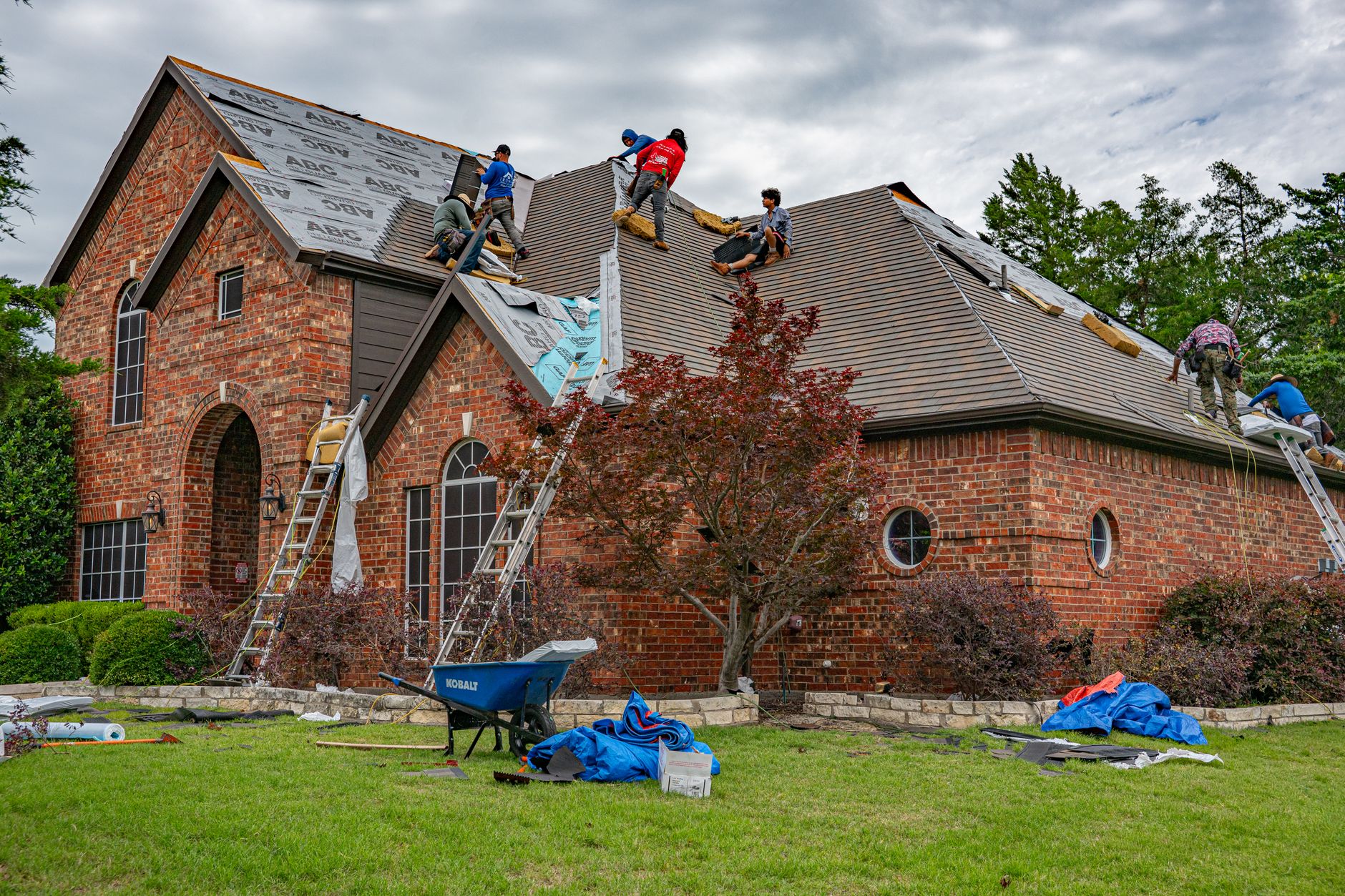
Roofer Damaged My Property: What to Do Next
If a roofer damaged your property, you have real legal and financial options, but the clock starts ticking the moment work ends. Document everything before anyone leaves your driveway. Arizona contractors are required to carry liability insurance, and you can file complaints with the state registrar if they refuse to make things right. This guide walks you through every step from evidence gathering to getting reimbursed.
What Should I Do First If a Roofer Damaged My Property?
Stop the job, photograph everything, and do not sign any completion paperwork until you have documented all damage in writing. Acting fast preserves your rights and strengthens any future claim.
The phrase "roofer damaged my property" covers a wide range of situations: a broken skylight, crushed HVAC equipment, cracked stucco, a smashed rain gutter, a torn-up lawn from a dropped bundle of shingles, or interior water intrusion from an improperly tarped roof during an Arizona monsoon. All of these are legitimate contractor liability issues.
Follow these steps immediately:
- Stop work if damage is ongoing. Politely but firmly ask the crew foreman to pause until you can assess the situation.
- Photograph and video everything. Capture wide shots showing context and close-ups showing specific damage. Include time-stamped photos with your phone.
- Write it down. Note the date, time, crew present, what you observed, and any conversations you had.
- Do not sign a completion certificate or final lien waiver until the damage issue is resolved or formally acknowledged.
- Request the contractor's certificate of insurance on the spot if you do not already have it.
What Damage Are Roofers Most Commonly Responsible For?
Roofers can be liable for physical property damage they cause during a job, including structural, cosmetic, and water-related damage to your home or adjacent property. Liability depends on whether the damage was caused by negligence or poor workmanship.
Common categories of contractor-caused damage include:
- Structural damage: Broken rafters, cut trusses, or improper decking removal
- Interior water damage: Leaks caused by an improperly sealed or tarped roof, especially critical in Phoenix during monsoon season (June 15 through September 30) when a single storm can dump 1-3 inches of rain in under an hour
- Mechanical damage: Crushed condenser units, broken attic vents, or damaged solar panels
- Exterior cosmetic damage: Cracked stucco, broken gutters, dented fascia, or damaged siding
- Landscaping damage: Smashed shrubs, broken irrigation heads, or lawn gouges from material drops or heavy equipment
- Neighbor property damage: Falling debris, runoff, or equipment crossing property lines
Arizona's UV index regularly hits 11 or above during summer months, which means roofing crews work fast and sometimes cut corners when temperatures push 110°F. Heat-rushed work increases the likelihood of mistakes.
How Do I Document Contractor Damage Properly?
Good documentation is the difference between a resolved claim and a drawn-out dispute. You need photos, written records, and ideally a third-party assessment before any repairs are made.
What should my photo and video documentation include?
Capture every angle of the damaged area, with something for scale, and always before any cleanup or temporary repairs are done. Metadata embedded in phone photos provides automatic timestamps that hold up in disputes.
Checklist for solid documentation:
- Wide-angle shots showing the location of damage relative to the house
- Close-up shots showing the specific damage (cracks, dents, holes, water stains)
- A ruler or common object in frame for scale
- Before photos if you have them (check Google Street View history or your own phone library)
- Video walkthroughs narrated with your observations
- Screenshots of weather data from Weather.gov if you're arguing a storm did NOT cause the damage
Should I get an independent inspection before I talk to the contractor?
Yes, if the damage is significant. A licensed third-party roofer or general contractor can provide a written assessment that separates pre-existing conditions from fresh damage, which protects you if the dispute escalates.
For roofing-specific damage, look for an NRCA-affiliated contractor who has no stake in the original project. Their written report can serve as evidence in an insurance claim, small claims court, or a Registrar of Contractors complaint.
Is My Roofer Required to Have Insurance in Arizona?
Yes. Arizona law requires licensed roofing contractors to carry both general liability insurance and workers' compensation coverage. If your roofer cannot produce a current certificate of insurance, that is a serious red flag.
The Arizona Registrar of Contractors (AZ ROC) licenses and regulates all contractors operating in the state. You can look up any contractor's license status, insurance verification, and complaint history directly on the ROC website. A licensed contractor without valid insurance is in violation of state law.
Key insurance types relevant to property damage:
- General Liability Insurance: Covers damage the contractor causes to your property during the job. Industry standard is $1 million per occurrence for residential roofing.
- Workers' Compensation: Covers crew members injured on your property. Without it, you could face liability for a worker's injury on your roof.
- Contractor's Errors and Omissions (E&O): Less common in residential roofing, but covers damage caused by faulty design or workmanship decisions.
If your contractor is unlicensed, Arizona's Registrar of Contractors Residential Contractors' Recovery Fund may still provide limited relief for homeowners who suffer financial loss.
How Do I File a Complaint Against a Roofer in Arizona?
File a complaint directly with the Arizona Registrar of Contractors online or by phone. This is free, does not require an attorney, and can result in fines, license suspension, or mandatory remediation.
The AZ ROC complaint process works as follows:
- Submit your complaint online with documentation (photos, contracts, correspondence)
- The ROC notifies the contractor, who has a window to respond
- An investigator may inspect the property
- If a violation is found, the ROC can order corrective work, issue civil penalties, or suspend the license
Filing with the ROC does not prevent you from also pursuing the contractor in civil court or through their insurance. It is not an either/or situation. In fact, a ROC finding of contractor fault strengthens your position in any parallel legal action.
For broader consumer fraud or deceptive trade complaints, the Arizona Attorney General's Consumer Protection Division is an additional avenue.
Can I Make a Claim on the Contractor's Liability Insurance?
Yes. If the contractor caused the damage, their general liability policy should cover it. You file directly with their insurer, not your own homeowner's policy, though your own insurer can help you navigate the process.
Here is how to approach the contractor's insurance:
- Request the contractor's certificate of insurance and note the name of their insurer and policy number
- Contact that insurer directly to open a third-party liability claim
- Provide your documentation: photos, timestamps, your written account, and any third-party inspection report
- Do not accept a verbal promise of repair as a substitute for a formal claim number
If the contractor's insurer disputes responsibility or the contractor has no valid coverage, consult with a licensed Arizona public adjuster or a construction defect attorney. Many offer free initial consultations.
What if the contractor says the damage was pre-existing?
This is the most common dispute tactic. Pre-job photos, a third-party inspection report, and Google Street View historical imagery can counter this argument effectively.
Arizona shingle roofs typically last 15 to 20 years under our UV and monsoon conditions, and tile roofs can run 30 to 50 years. If your roof was documented as serviceable before work began and damage appeared during or after the job, the burden shifts toward the contractor to prove otherwise.
When Should I Use My Own Homeowner's Insurance Instead?
Use your own homeowner's insurance when the contractor is uninsured, unresponsive, or when emergency repairs are needed immediately to prevent further loss. Your insurer can then pursue subrogation against the contractor.
Subrogation means your insurer pays you first, then goes after the responsible party to recover costs. You are not "punished" for using your own coverage in contractor damage scenarios, and in Arizona you generally cannot be non-renewed solely for filing one such claim.
That said, weigh your deductible. If the damage repair estimate is $1,200 and your deductible is $1,000, filing through your own insurer may not make financial sense. Pursue the contractor directly through their insurer or small claims court instead.
Arizona small claims court handles disputes up to $3,500 without an attorney. Justice court handles claims up to $10,000.
Do I Still Owe the Contractor Money If They Damaged My Property?
You may be entitled to withhold final payment, but only if you follow proper procedures. Withholding without written notice can expose you to a mechanics' lien.
Arizona's mechanics' lien law gives contractors the right to place a lien on your property if payment is withheld. However:
- You can withhold an amount proportional to the estimated repair cost of the damage
- Put your withholding rationale in writing, sent via certified mail
- State clearly that you will release payment once the damage is remediated or a mutually agreed deduction is applied
Do not ghost the contractor or simply refuse to respond. That weakens your legal position. Document every communication and keep copies.
What If the Roofer Damaged a Neighbor's Property?
You are generally not liable for damage a contractor causes to a neighbor's property, but you should help connect your neighbor with the contractor's insurance information promptly.
If a roofing crew drops materials onto a neighbor's fence, vehicle, or landscaping, that neighbor has a direct claim against the contractor. Your role as the homeowner who hired the contractor is limited unless you were specifically negligent in your supervision or selection of an unlicensed worker.
Best practices:
- Provide your neighbor with the contractor's name, license number, and insurer contact
- Encourage them to document damage the same way you would
- Notify your contractor in writing that a neighbor damage claim exists
Internal Resources
- Learn how to vet a contractor before hiring: /blog/how-to-hire-a-roofer-in-arizona/
- Understand what monsoon prep your roof needs: /blog/arizona-monsoon-roof-preparation/
- See how long your roof type should last in Arizona's climate: /blog/how-long-does-a-roof-last-in-arizona/
- Get a free local estimate: /services/free-roof-inspection/
Frequently Asked Questions
Can I sue a roofer for damaging my property in Arizona?
Yes. You can pursue a contractor in civil court for property damage caused by negligence or breach of contract. Arizona Justice Court handles claims up to $10,000 without an attorney, and Superior Court handles larger amounts. A ROC complaint and insurance claim can run simultaneously with civil action.
What if the roofing company goes out of business before fixing my damage?
If the contractor was licensed, you may be able to file a claim with the Arizona Residential Contractors' Recovery Fund, which provides limited compensation to homeowners harmed by licensed contractors who cannot fulfill their obligations. If unlicensed, your options are limited to civil judgment or your own homeowner's insurance.
How long do I have to file a complaint or lawsuit against a roofer in Arizona?
Arizona's statute of limitations for property damage is generally two years from the date of discovery for tort claims, and up to six years for written contract claims. Do not wait. Evidence degrades, companies dissolve, and insurance policies lapse.
The roofer is pressuring me to sign a release before paying. Should I?
No. A full release of liability signed before damage is remediated permanently waives your right to compensation. Only sign a release after repairs are complete and independently verified, or after you have received a financial settlement that you agree covers all damages.
My roof was already old. Does that affect my claim?
It can reduce the dollar amount you recover through a concept called "betterment" or depreciation, but it does not eliminate your claim. If your 18-year-old asphalt shingle roof was functional before the crew arrived and is now leaking due to their work, you are still owed remediation. An adjuster or attorney can help calculate fair value accounting for the roof's remaining useful life.
What if the roofer says the monsoon caused the damage, not their crew?
This is a common deflection during Arizona's June through September storm season. Counter it with weather station data from Weather.gov showing whether a significant storm actually occurred on the date in question, your pre-job photos, and a third-party inspection report. If no measurable rainfall event occurred on that date, the weather defense collapses quickly.
Know your number before you call a roofer.
Free Roof Cost Estimate