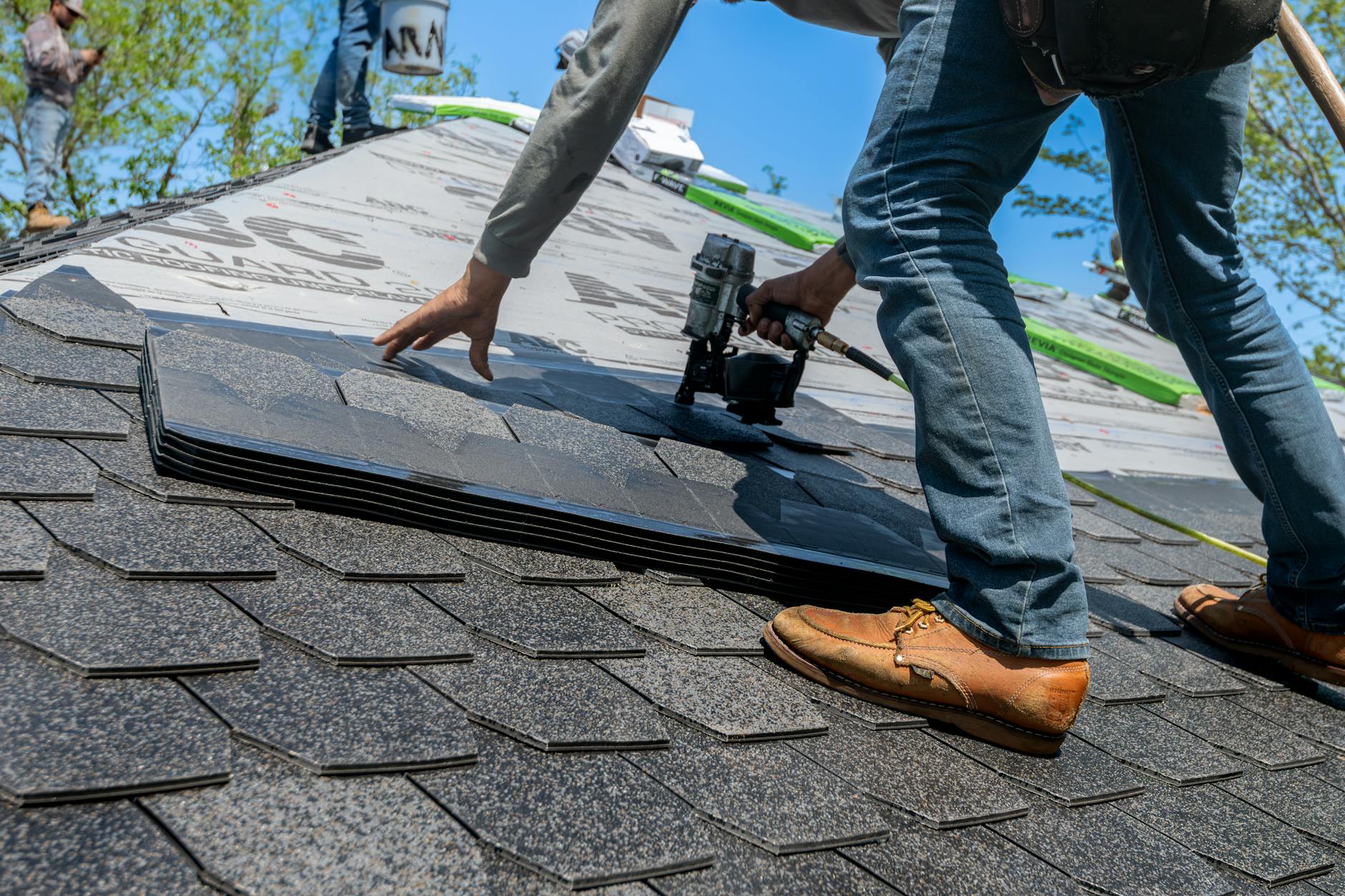
Roof Replacement Cost in Apache Junction, AZ (2026 Guide)
Roof replacement cost in Apache Junction, AZ typically runs between $7,500 and $22,000 for an average-size home, depending on material choice, roof pitch, and current condition. Asphalt shingles sit at the lower end of that range, while clay tile and concrete tile push toward the higher end. Apache Junction's extreme UV exposure and annual monsoon season accelerate roof wear compared to most U.S. markets. This guide gives you real numbers, explains what moves the price up or down, and tells you honestly when a full replacement is not yet necessary.
What Does a Roof Replacement Actually Cost in Apache Junction?
What is the typical price range for a full roof replacement in Apache Junction, AZ?
Most Apache Junction homeowners pay between $7,500 and $22,000 for a full replacement, with the median landing around $12,000 to $14,000 for a 1,800–2,200 square foot single-story home. Material type is the single largest variable in that range.
The table below breaks down cost by the most common roofing materials in the East Valley. All figures are installed costs including tear-off of one existing layer, underlayment, and cleanup.
| Material | Cost per Square (100 sq ft) | Estimated Total (2,000 sq ft roof) | |---|---|---| | 3-tab asphalt shingle | $350–$500 | $7,000–$10,000 | | Architectural shingle | $450–$650 | $9,000–$13,000 | | Concrete tile | $700–$950 | $14,000–$19,000 | | Clay tile | $900–$1,400 | $18,000–$28,000 | | TPO flat/low-slope | $500–$750 | $10,000–$15,000 | | Metal (standing seam) | $1,000–$1,500 | $20,000–$30,000 |
These estimates align with cost data tracked by Remodeling Magazine's annual Cost vs. Value report, which consistently shows roofing ROI running 55–70% nationally, with Sun Belt markets skewing higher due to buyer expectations.
Labor in the Phoenix metro East Valley typically runs $150–$250 per square on top of materials. Apache Junction's location at the edge of the metro means some contractors add a modest travel surcharge of $200–$500 compared to jobs closer to Mesa or Chandler.
Do You Actually Need a Full Replacement, or Just Repairs?
How do I know if I need a full roof replacement versus a repair?
Not every damaged or aging roof needs to come off. If less than 30% of your shingles are damaged, flashing is intact, and there is no deck rot, targeted repairs often extend roof life by five or more years at a fraction of replacement cost.
The National Roofing Contractors Association recommends a full replacement when any of the following are present:
- The roof has reached the end of its rated lifespan. In Apache Junction's climate, asphalt shingles typically last 15–20 years rather than the 25–30 years rated in milder markets. Clay and concrete tile typically last 30–50 years but require periodic mortar and underlayment attention.
- Multiple leak points exist in different roof sections.
- The roof deck shows soft spots, rot, or significant moisture damage.
- A second layer of shingles is already in place. Arizona building code generally limits roofs to two layers before a full tear-off is required.
- Granule loss is severe and uniform, meaning the shingles have lost their UV-reflective coating.
If you are unsure, pay for an independent inspection before committing to a full replacement. A reputable inspector charges $150–$400 and has no financial stake in the outcome. See our guide on how to read a roof inspection report before you hire anyone.
What Drives the Price Up in Apache Junction Specifically?
Why might a roof replacement cost more in Apache Junction than in other Phoenix suburbs?
Apache Junction's desert environment creates conditions that increase both material requirements and installation complexity. UV index regularly hits 11 or above during summer months, which is classified as "extreme" by NOAA's UV Index scale, demanding higher-grade underlayments and cool-roof-rated materials to meet energy codes.
Several local factors push costs higher:
Pitch and complexity. The Superstition Mountains backdrop means many Apache Junction homes have steeper or more complex roof lines than flat-valley subdivisions. Steeper pitches add 10–30% to labor costs because crews work slower and need additional safety equipment.
Monsoon preparation. The National Weather Service defines Arizona's monsoon season as June 15 through September 30. Roofing in or around this window often requires ice-and-water shield or high-temp underlayment in valleys and penetrations to handle sudden, wind-driven rain. These upgrades add $500–$1,500 to a typical job but are worth it in this market.
Permit fees. Apache Junction requires a roofing permit for full replacements. Permit fees typically run $150–$350 depending on project value. Your contractor should pull this permit; if they offer to skip it, walk away.
Tear-off costs. If tile was the previous material, tear-off is labor-intensive. Removing existing clay or concrete tile adds $1,000–$2,500 to the project compared to stripping asphalt shingles.
Decking repairs. In older Apache Junction neighborhoods built in the 1970s–1990s, aged OSB or plywood decking frequently needs spot replacement. Budget $75–$120 per sheet for any decking repairs discovered during tear-off.
Which Roofing Material Makes the Most Sense for Apache Junction?
What roofing material is best for the Apache Junction climate?
Concrete and clay tile dominate Apache Junction for good reason: they handle UV radiation and heat far better than asphalt, last two to three times longer, and align with the Southwest architectural aesthetic. However, asphalt remains competitive for budget-conscious homeowners who plan to sell within 10–15 years.
Concrete tile is the pragmatic choice. It costs less than clay, performs well in heat, and meets Arizona's Title 24-equivalent energy standards when installed with proper ventilation. Expect a 40–50 year lifespan in this climate with minimal maintenance.
Clay tile offers superior longevity and curb appeal but costs 20–40% more than concrete. It is worth the premium if you plan to stay in the home long-term or are in a higher-value neighborhood where buyers expect it.
Architectural asphalt shingles are a reasonable choice if budget is the primary constraint. Look for shingles rated Class 4 impact-resistant and with a solar-reflective "cool roof" coating. The ENERGY STAR program maintains a list of qualified roofing products that can help lower cooling costs in the extreme Arizona summer.
Metal roofing is gaining traction in Apache Junction, particularly standing-seam steel or aluminum. Metal reflects heat aggressively, handles high winds well, and carries 40–70 year lifespans. The upfront cost is high, but the lifecycle cost competes favorably with tile.
TPO and modified bitumen are relevant only for flat or low-slope sections common on mid-century homes or room additions. These materials require re-coating every 7–12 years but cost significantly less to install than tile or metal.
For a side-by-side comparison of all materials used in East Valley climates, see our roofing materials guide for Arizona homeowners.
How Do I Get an Accurate Quote and Avoid Overpaying?
What is the best way to get a fair price on a roof replacement in Apache Junction?
Get at least three written quotes from licensed Arizona contractors, compare them line by line, and verify each contractor's license with the Arizona Registrar of Contractors before signing anything.
Here is what a complete quote should include:
- Total square footage being replaced (ask how they measured it)
- Material brand, product line, and warranty tier
- Underlayment type and whether ice-and-water shield is included in valleys
- Number of layers being removed
- Decking repair rate if damage is found during tear-off
- Permit fees and who pulls the permit
- Start date and estimated completion window
- Manufacturer warranty term and whether it is a contractor-registered warranty
- Workmanship warranty (minimum two years; five years is better)
Quotes that skip any of these items are incomplete. Do not compare a low bid that excludes decking repair allowance against a higher bid that includes it. Normalize them first.
Storm-chaser contractors flood Apache Junction after monsoon events. Be cautious of any company that approaches you unsolicited, pressures you to sign immediately, or asks for more than 30–40% upfront. Arizona law gives homeowners a three-day right to cancel most home improvement contracts.
What About Insurance? Does Homeowners Insurance Cover Roof Replacement?
Will my homeowners insurance pay for a roof replacement in Apache Junction?
Insurance may cover replacement if the damage was caused by a sudden covered event such as hail, wind, or fire. It will not cover wear, age, or poor maintenance.
Arizona sees periodic hail events, particularly in the eastern Valley during monsoon season. After a significant storm, it is reasonable to file a claim. The insurer will send an adjuster to assess damage. Key points to understand:
- Actual Cash Value (ACV) vs. Replacement Cost Value (RCV): ACV policies depreciate your roof based on age and pay out less. RCV policies pay the full replacement cost minus your deductible. Check your declarations page.
- Wind and hail exclusions: Some policies in high-risk ZIP codes include separate wind/hail deductibles of 1–2% of your home's insured value. On a $300,000 home, that is a $3,000–$6,000 out-of-pocket deductible before insurance pays anything.
- Documentation matters: Photograph any damage immediately after a storm. Keep records of prior inspections and maintenance.
Contractors who offer to "work with your insurance" and waive your deductible are asking you to commit insurance fraud. That is a criminal offense in Arizona. Pay your deductible.
For help understanding what your policy actually covers, see our article on homeowners insurance and roof damage in Arizona.
How Long Will the Project Take?
How long does a roof replacement take in Apache Junction?
Most single-family residential roof replacements in Apache Junction take one to three days once work begins. Larger homes, complex roof lines, or tile-over-tile tear-offs can stretch to four or five days.
Scheduling delays are the more common issue. During peak season (late spring through monsoon season), reputable contractors may be booked two to six weeks out. Plan ahead if your roof is approaching end of life rather than waiting for an active leak to force an emergency timeline, which often means accepting a less competitive bid.
Weather holds are a real factor from June 15 through September 30. Quality contractors will not install certain underlayments or open a roof during forecast rain. Factor this into your scheduling expectations.
FAQ
How much does a roof replacement cost per square foot in Apache Junction, AZ?
Installed cost in Apache Junction typically runs $4.50–$9.50 per square foot for asphalt shingles and $8–$16 per square foot for tile or metal. These figures include tear-off, underlayment, and labor but not decking repairs if needed.
How long do roofs last in Apache Junction's climate?
Asphalt shingles typically last 15–20 years in Apache Junction, shorter than their rated lifespan due to UV index levels above 11 and heat. Concrete and clay tile last 30–50 years with proper maintenance. Metal roofing can last 40–70 years.
Do I need a permit to replace my roof in Apache Junction?
Yes. Apache Junction requires a permit for full roof replacements. Your contractor should pull the permit before work begins. Always verify this. Unpermitted roofing work can create problems when you sell the home and may void your manufacturer warranty.
What is the best time of year to replace a roof in Apache Junction?
October through May is generally the best window. Cooler temperatures make installation safer and easier, and there is no monsoon risk to an open roof deck. Spring (February through April) is the sweet spot before peak contractor demand drives up prices and extends wait times.
Can I negotiate the price of a roof replacement?
Yes. Ask contractors if they have any scheduling flexibility in exchange for a lower price. Off-season jobs, jobs that can be used as crew training opportunities, and jobs in neighborhoods where they are already working often come with informal discounts. Getting multiple bids is the most reliable way to negotiate from a position of knowledge.
Should I get a second opinion before replacing my roof?
Absolutely. If a contractor tells you that you need a full replacement after a quick visual inspection, paying for an independent inspection is money well spent. See our roof inspection guide for Arizona homeowners to understand what a thorough inspection should include.
Know your number before you call a roofer.
Free Roof Cost Estimate