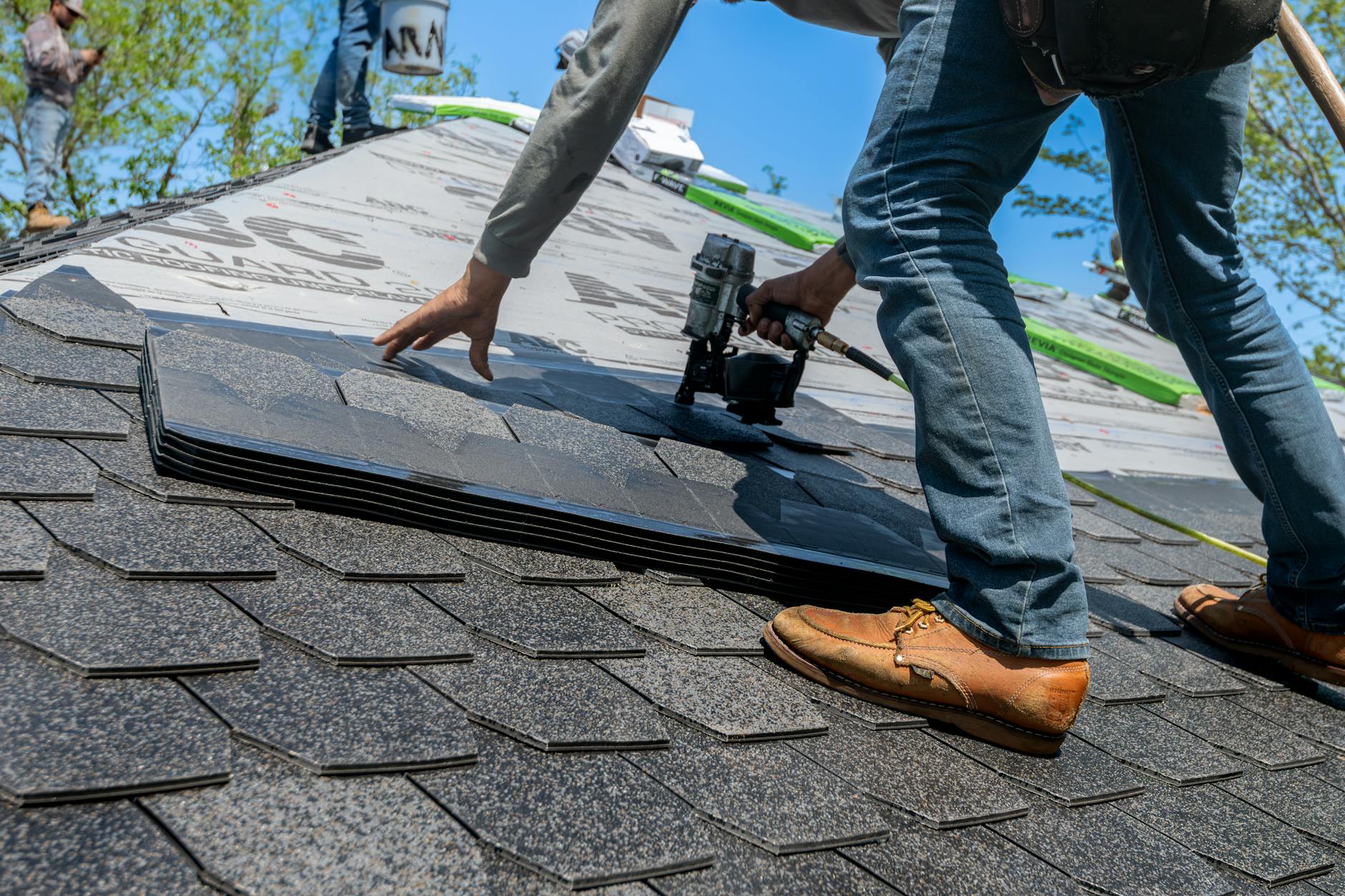
Roof Replacement Cost in Buckeye, AZ: What Homeowners Should Expect
The typical roof replacement cost in Buckeye, AZ ranges from $7,500 to $22,000 for most single-family homes, with the final number driven by your roof size, material choice, and the condition of the deck underneath. Asphalt shingles are the most affordable option, while concrete and clay tile cost more upfront but routinely last 30 to 50 years under Arizona's intense sun. Before you commit to a full replacement, it is worth getting at least two written inspections, because many Buckeye roofs showing surface wear can be repaired instead of replaced. This guide breaks down every major cost factor so you can walk into contractor conversations with realistic numbers.
What Does a Roof Replacement Actually Cost in Buckeye, AZ?
What is the average price range homeowners in Buckeye pay for a new roof?
Most Buckeye homeowners spend between $7,500 and $22,000 for a complete roof replacement, with the national average sitting around $11,500 according to Remodeling Magazine's Cost vs. Value data. Desert-specific material choices and labor shortages in the fast-growing West Valley push local prices toward the higher end of that range.
The numbers below reflect installed costs, meaning materials plus labor, tear-off of one layer, and basic disposal. They are not material-only quotes.
| Roof Size (sq ft) | Asphalt Shingle | Concrete Tile | Clay Tile | |---|---|---|---| | 1,500 | $7,500 - $10,500 | $12,000 - $16,500 | $14,000 - $20,000 | | 2,000 | $9,500 - $13,500 | $15,500 - $21,000 | $18,000 - $26,000 | | 2,500 | $11,500 - $16,500 | $19,000 - $26,000 | $22,000 - $32,000 | | 3,000+ | $14,000 - $20,000+ | $23,000 - $32,000+ | $27,000 - $40,000+ |
Prices shift with material costs, fuel surcharges, and local permit fees, so treat these as planning benchmarks, not binding quotes.
What Factors Drive Roof Replacement Costs in Buckeye?
Why does the same roof size sometimes cost significantly more for one homeowner than another?
Five variables account for most of the price difference: roofing material, roof pitch, deck condition, number of existing layers being torn off, and local permit fees charged by the City of Buckeye.
How does roofing material change the price?
Which material gives Buckeye homeowners the best balance of cost and longevity?
Concrete tile is the most popular choice in Buckeye's planned communities because it handles UV index levels of 11 or higher without cracking, lasts 30 to 50 years, and costs $2 to $4 less per square foot installed than clay tile. The National Roofing Contractors Association notes that tile systems in hot-dry climates consistently outperform asphalt on longevity.
Asphalt architectural shingles typically last only 15 to 20 years in Arizona's heat, compared to 25 to 30 years in cooler northern climates. That shorter lifespan matters when you are comparing true lifetime cost between materials.
- 3-tab asphalt shingles: $4.50 - $6.00 per sq ft installed. Lowest upfront cost, shortest desert lifespan.
- Architectural (dimensional) shingles: $6.00 - $8.50 per sq ft installed. Better wind resistance for monsoon season.
- Concrete tile: $8.00 - $13.00 per sq ft installed. Long lifespan, excellent heat reflectance.
- Clay tile: $10.00 - $16.00 per sq ft installed. Premium aesthetics, lightest weight among tiles.
- Metal standing seam: $12.00 - $18.00 per sq ft installed. Increasingly popular in new construction west of the I-10.
- Cool roof coatings (flat/low slope): $2.00 - $5.00 per sq ft. Not a full replacement but worth noting for flat-roofed additions.
How does roof pitch affect labor costs?
Does a steeper roof actually cost more to replace?
Yes, significantly. Roofs with a pitch above 6:12 require more safety equipment, slower work pace, and additional staging, which typically adds 15 to 25 percent to the base labor quote. Many single-story Buckeye ranch homes have low-slope or 4:12 pitches that keep labor costs manageable.
What about deck repairs and multiple tear-off layers?
If there is rotted decking under my shingles, how much extra should I budget?
Expect to pay $75 to $125 per sheet of plywood for deck replacement, and budget for at least 5 to 10 percent of your deck needing replacement as a planning cushion. A second layer of existing shingles adds $1.00 to $2.00 per square foot to tear-off costs, and some Arizona counties limit roofs to two layers total.
Do You Actually Need a Full Roof Replacement?
How do I know if my Buckeye roof genuinely needs to be replaced, or if repairs will do?
A full replacement is not always necessary. Roofs with localized damage, a handful of cracked tiles, or minor flashing failures around chimneys and skylights are often good candidates for targeted repair instead.
You likely need a full replacement if any of the following are true:
- Your asphalt shingles are more than 18 years old and granule loss is widespread
- Your tile roof has widespread hairline cracks after repeated monsoon hail impacts
- The roof deck shows systemic moisture damage across multiple sections
- Your attic has active daylight visible through the decking
- A licensed inspector finds sagging or structural compromise
You likely do NOT need a full replacement if:
- Damage is limited to fewer than 10 percent of tiles or shingles
- Flashing has failed in one or two spots but the field material is intact
- You have a tile roof under 20 years old with isolated cracked tiles
NOAA monsoon data shows Buckeye receives the bulk of its annual precipitation between June 15 and September 30, which is the window when most sudden roof failures are discovered. If you find a leak after a monsoon storm, get a repair quote before assuming you need a new roof.
See our guide to identifying when roof repairs are enough for a full decision framework.
What Are Arizona's Climate-Specific Cost Considerations?
Does the Phoenix-area desert climate change what materials and underlayments I need?
Yes. Buckeye's climate creates two competing demands on a roof system: intense dry heat for nine months of the year, and brief but violent monsoon storms from mid-June through September.
Arizona building code requires a minimum of 30-pound felt or synthetic underlayment, but most contractors working in the West Valley now recommend two layers of synthetic underlayment rated for 180-day UV exposure for any tile installation. That adds $0.30 to $0.60 per square foot but meaningfully extends service life.
Manufacturers like GAF and Owens Corning publish heat and UV performance specifications for their shingle lines. Arizona homeowners should verify their chosen shingle carries at least a Class 3 impact rating to handle hail that accompanies monsoon thunderstorms.
Reflective or "cool roof" products are worth considering in Buckeye. ENERGY STAR's cool roof program rates products that reflect more solar energy, which can reduce attic temperatures by 10 to 15 degrees Fahrenheit and lower cooling costs meaningfully in a city where summer electric bills are already high.
For tile roofs, ask contractors about foam-set versus mortar-set hip and ridge caps. Foam-set systems have become standard in new Buckeye construction because they resist moisture intrusion during monsoon-driven wind-driven rain better than traditional mortar.
How Do Permits and Inspections Work in Buckeye?
Does Buckeye require a permit to replace a roof, and how much does it cost?
Yes. The City of Buckeye requires a building permit for full roof replacements. Permit fees are typically calculated as a percentage of declared project value, usually landing between $150 and $400 for a standard residential reroof. Reputable contractors will pull the permit on your behalf and include the fee in their total quote.
Work without a permit creates problems at resale. Arizona Department of Real Estate disclosure rules require sellers to disclose known unpermitted work, and buyers' lenders sometimes require proof of permitted roofing before closing.
Inspections are required after underlayment is installed and again after final completion. Budget one to two extra days into your project timeline for inspection scheduling.
How Do I Get an Accurate Roof Replacement Quote in Buckeye?
What should I look for in a contractor quote so I am comparing apples to apples?
A trustworthy written quote includes the total square footage being replaced, specific material manufacturer and product line, number of layers being torn off, underlayment type and weight, all flashing replacement details, permit cost, dumpster and haul-away, and warranty terms for both materials and labor.
Get at least three quotes from licensed Arizona contractors. Verify each contractor holds an active Arizona Registrar of Contractors license before signing anything. The ROC license lookup is free and takes about 60 seconds.
Watch for low-ball bids that omit underlayment specifications or show vague line items like "miscellaneous materials." Those are almost always padded after project start with change orders.
See our full breakdown of how to evaluate roofing contractor quotes and our Arizona contractor license verification guide.
Does Homeowners Insurance Cover Roof Replacement in Buckeye?
Can I file a claim to cover my roof replacement cost?
It depends on the cause of damage. Arizona homeowners insurance policies generally cover sudden, accidental damage from hail, wind, fire, and monsoon storms. They do not cover deterioration from age, UV degradation, or maintenance neglect.
If a monsoon storm in Buckeye causes visible tile displacement or shingle blow-off, document it with photos and contact your insurer within the policy's required reporting window, usually 30 to 60 days. Most carriers will send an adjuster to inspect before approving a claim.
Some insurers in the Phoenix metro have begun requiring a Class 4 impact-rated roofing material as a condition of coverage renewal, especially for homes in areas with repeated hail claims. Ask your agent whether this applies to your policy. If it does, upgrading to a Class 4 product at replacement time can actually lower your annual premium enough to offset part of the cost difference.
Be cautious of contractors who approach you after a storm and offer to "work with your insurance" on your behalf. The Arizona Department of Insurance and Financial Institutions warns homeowners about public adjuster arrangements that create conflicts of interest and can delay legitimate claims.
What Is the Typical Timeline for a Roof Replacement in Buckeye?
How long does a full roof replacement take from first call to finished job?
For a standard 2,000 square foot Buckeye home, plan on three to six weeks from initial contractor contact to project completion, broken down roughly as follows:
- Quote gathering and contractor selection: 1 to 2 weeks
- Material ordering and permit application: 1 to 2 weeks
- Tear-off and installation: 1 to 3 days for shingles, 3 to 5 days for tile
- Final inspection scheduling: 2 to 5 business days after completion
Material lead times have stabilized since 2022 supply chain disruptions, but specialty tile colors and imported clay products can still add two to four weeks. If you are replacing a roof before monsoon season starts June 15, schedule your contractor contact by early May at the latest.
Also check our monsoon roof preparation checklist for steps to take if your replacement cannot happen before the season starts.
Frequently Asked Questions
How much does a basic roof replacement cost for a 1,500 square foot home in Buckeye?
For a 1,500 square foot home, expect to pay $7,500 to $10,500 for architectural asphalt shingles installed, or $12,000 to $16,500 for concrete tile. Those ranges assume one layer of tear-off and standard deck condition. Permit fees, additional deck repairs, and upgraded underlayment will add to the final number.
Is concrete tile or asphalt shingles a better choice for Buckeye's climate?
Concrete tile is almost always the better long-term value in Buckeye. While it costs more upfront, it lasts 30 to 50 years versus 15 to 20 years for asphalt shingles in Arizona's UV-intense environment. Over a 30-year ownership window, tile usually requires fewer full replacements and lower cumulative spending.
Do I need to replace my whole roof if only a few tiles are broken?
No. If damage is limited to isolated tiles, a qualified roofer can replace individual tiles without a full roof replacement, provided matching material is available and the underlying structure is sound. This is one of the main advantages of tile over asphalt shingles, where widespread granule loss often means the whole field needs replacement.
Will Buckeye require a permit for my roof replacement?
Yes. The City of Buckeye requires a building permit for residential roof replacements. Any contractor telling you otherwise is either misinformed or suggesting you skip a step that will create legal and resale problems down the road. Permit fees typically run $150 to $400 and should be included in your contractor's written quote.
What time of year is best to replace a roof in Buckeye?
October through early May is the ideal window. Temperatures are lower, which makes installation safer and gives adhesives and sealants optimal curing conditions. Scheduling a replacement during monsoon season (June 15 to September 30) is possible but creates more logistical risk if a storm arrives mid-project. Spring installation also means your new roof is fully set before peak storm season.
How do I verify a roofing contractor is licensed to work in Arizona?
Use the free license lookup tool at the Arizona Registrar of Contractors website. Enter the contractor's name or license number and confirm the license is active, in the correct classification (CR-35 for roofing), and free of unresolved complaints. This step takes under two minutes and protects you from unlicensed operators who have no accountability if something goes wrong.
*Related reading on RoofInstall.net:*
Know your number before you call a roofer.
Free Roof Cost Estimate