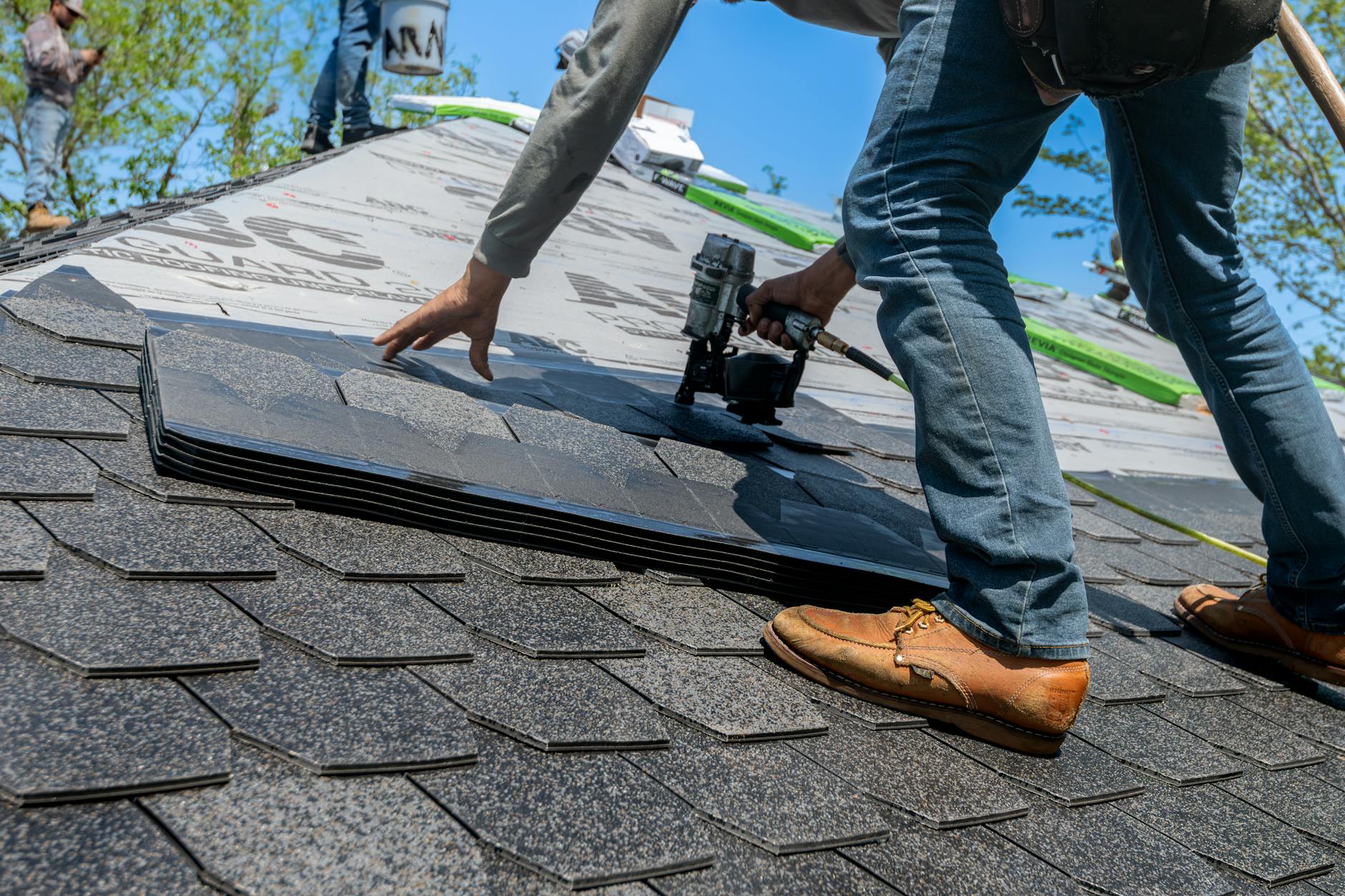
Roof Replacement Cost in Fountain Hills AZ: 2026 Homeowner Pricing Guide
Roof replacement cost in Fountain Hills AZ typically runs between $9,000 and $30,000+ depending on roof size, material choice, and access complexity. Concrete or clay tile dominates the neighborhood and costs more than asphalt shingle but lasts two to three times longer under Arizona sun. UV index readings of 11 or higher and annual monsoon stress (June 15 through September 30) accelerate wear on every roof system here. This guide gives you honest price ranges, red flags that contractors may try to exploit, and clear advice on when you actually do NOT need a full replacement.
What Does a Roof Replacement Cost in Fountain Hills AZ?
What is the typical price range for replacing a roof in Fountain Hills?
Most Fountain Hills homeowners pay between $12,000 and $25,000 for a full roof replacement, with outliers on both ends depending on roof area and material. A basic asphalt shingle reroof on a 2,000-square-foot footprint sits near the low end; a premium concrete or clay tile job on a 3,500-square-foot footprint with multiple valleys can easily exceed $30,000.
Fountain Hills sits at roughly 1,520 feet elevation in the McDowell Mountain foothills. Steep pitch, long material haul routes from the Phoenix metro, and the town's architectural preference for low-profile tile all affect final price. The table below gives a practical starting point.
| Material | Installed Cost per Square (100 sq ft) | Typical Lifespan in AZ | |---|---|---| | 3-Tab Asphalt Shingle | $350 – $500 | 12 – 18 years | | Architectural Shingle | $450 – $650 | 15 – 22 years | | Concrete Tile | $700 – $1,100 | 30 – 50 years | | Clay Tile | $900 – $1,400 | 40 – 50+ years | | Flat / TPO / Modified Bitumen | $400 – $700 | 15 – 25 years |
According to Remodeling Magazine's Cost vs. Value Report, roofing remains one of the top-returning home improvement investments nationally, though local resale impact varies by neighborhood pricing tier.
What Drives Roof Replacement Costs Up or Down in Fountain Hills?
Which specific factors move the final quote the most in Fountain Hills?
Roof pitch, material weight, layer count, and job-site access are the four biggest cost levers. Fountain Hills homes frequently have steeper pitches than Phoenix valley floor homes, which raises labor time and safety equipment costs.
Does roof size matter more than pitch?
Roof size (measured in squares) is the single largest cost driver, but pitch multipliers quickly close the gap.
Contractors apply a pitch multiplier once a slope exceeds 6:12. A 7:12 or steeper pitch common on Fountain Hills ranch-style and Mediterranean designs typically adds 15 to 25 percent to base labor costs. OSHA fall protection standards (29 CFR 1926.502) require additional equipment on steeper slopes, and that cost passes to you.
How does Arizona's climate specifically affect replacement pricing?
UV exposure, thermal cycling, and monsoon moisture combine to shorten shingle lifespans and increase the frequency of full replacements compared to northern states.
Arizona sits in NOAA Climate Zone 2, characterized by extreme solar radiation and sporadic but intense precipitation. Fountain Hills experiences UV index readings of 11 or higher for several months each year. This accelerates oxidation of asphalt shingles, causes thermal cracking in underlayment, and drives granule loss faster than manufacturers' lab conditions predict. The National Roofing Contractors Association recommends that Arizona homeowners account for a 20 to 30 percent reduction in rated shingle lifespan due to UV and thermal stress.
Monsoon season runs June 15 through September 30. Hail, high winds, and windblown debris during haboobs can cause sudden damage that compresses a marginal roof into an emergency replacement situation. See our guide to roof storm damage inspection after monsoon season for what to look for after a storm.
Does removing old tile cost extra?
Yes, tear-off and disposal of concrete or clay tile adds $1,500 to $4,500 to your total, depending on tile weight and dump fees.
Concrete tile averages 900 to 1,100 pounds per square. Clay tile can reach 1,200 pounds per square. That weight means more haul trips, heavier dumpsters, and higher disposal costs. Some contractors offer tile salvage programs where reusable tiles offset disposal costs slightly, but budget for full removal fees and treat any salvage credit as a bonus.
When Do You Actually NOT Need a Full Roof Replacement?
Are there situations where a repair is the honest answer instead of a full reroof?
Yes, and a trustworthy contractor will tell you this upfront. If your tile roof is less than 20 years old, has no structural deck damage, and your problem is isolated to broken tiles, slipped tiles, or failed flashing, a repair costing $300 to $1,500 is almost certainly the right call.
Signs you likely do NOT need a full replacement:
- Fewer than 10 to 15 percent of tiles are cracked or missing
- The underlayment shows no moisture intrusion into the attic decking
- No soft spots, sagging, or daylight visible through the deck
- Damage is limited to a single storm event in one roof section
Signs you probably DO need a full replacement:
- Underlayment is original and over 20 years old (the tile protects it but UV still degrades it)
- Multiple leak origins from different roof sections
- Attic decking shows rot, mold, or widespread water staining
- Asphalt shingles are granule-bare, curling, or showing widespread cracking
Arizona's registrar of contractors license lookup lets you verify that any contractor recommending a full replacement holds an active license. A licensed roofer with a verifiable track record is less likely to push unnecessary work.
How Do Tile Roofs Specifically Price Out in Fountain Hills?
What should a Fountain Hills homeowner expect to pay for a concrete or clay tile replacement?
A full concrete tile replacement on a typical 2,500-square-foot Fountain Hills home (roughly 28 to 32 squares of roof surface) runs $22,000 to $35,000 all-in. Clay tile on the same home runs $28,000 to $45,000. Both figures include tear-off, new underlayment, and flashing replacement.
Underlayment is the silent cost that many contractors underquote. The NRCA Roofing Manual recommends a minimum 40-year rated synthetic underlayment under tile in hot-climate zones. Upgraded underlayment adds $800 to $2,000 to the job but is worth every dollar under Fountain Hills sun. Ask your contractor specifically what underlayment product they spec, and request the manufacturer data sheet. GAF's technical documentation is one example of where to cross-reference manufacturer specifications against what your contractor is actually installing.
For a deeper look at how tile and shingle costs compare across the East Valley, visit our roof replacement cost guide for Scottsdale and the East Valley.
What About Flat Roofs and Low-Slope Sections?
Do many Fountain Hills homes have flat or low-slope roofs, and what do those cost to replace?
Many Fountain Hills homes built in the 1980s and 1990s include covered patios, casitas, or garage sections with low-slope roofing. These areas typically use modified bitumen, TPO, or foam roofing systems.
TPO and modified bitumen replacements on a 400-to-800-square-foot patio roof section run $2,500 to $6,500. Spray polyurethane foam (SPF) systems, popular in Arizona for their seamless application and insulating value, cost $3 to $5 per square foot installed. Foam roofs require UV-protective elastomeric coatings and re-coating every five to ten years, which is an ongoing maintenance cost to factor in. Our Arizona flat roof options overview covers material comparisons in more detail.
How to Get an Accurate Quote and Avoid Overpaying
What steps should a homeowner take to make sure they get a fair price in Fountain Hills?
Get a minimum of three written bids from licensed Arizona roofing contractors. Each bid should specify square footage measured (not estimated), material brand and product line, underlayment spec, flashing replacement scope, tear-off and disposal, and warranty terms.
Key questions to ask every bidder:
- Are you licensed with the Arizona Registrar of Contractors and can I verify your license number?
- What underlayment product are you installing and what is its rated life?
- Does your bid include all flashing replacement or only repair?
- What is the manufacturer's product warranty and what is your workmanship warranty?
- Will you provide a written lien waiver upon final payment?
Door-to-door solicitation after a hail storm is a well-known tactic in the Phoenix metro. The Arizona Attorney General's consumer protection office handles contractor fraud complaints if you experience high-pressure or fraudulent sales tactics.
Price shop against our Phoenix metro roofing cost comparison to understand whether your Fountain Hills quotes are in a reasonable range.
FAQ
How long does a roof replacement take in Fountain Hills?
Most single-family residential roof replacements in Fountain Hills take two to five days from tear-off to final inspection. Tile jobs requiring special order materials or large square footage can extend to seven to ten days. Weather delays during monsoon season (June 15 through September 30) are common and should be written into your contract timeline.
Is a permit required to replace a roof in Fountain Hills AZ?
Yes. The Town of Fountain Hills requires a building permit for full roof replacements. Your licensed roofing contractor should pull the permit on your behalf. Be cautious of any contractor who suggests skipping the permit to save money; an unpermitted roof replacement can create serious problems at resale and void manufacturer warranties.
Does homeowners insurance cover roof replacement in Arizona?
Homeowners insurance may cover sudden storm damage from hail, wind, or falling debris but generally does not cover replacement due to age or wear. After a monsoon event, document damage with photos immediately and contact your insurer before authorizing repair work. Review your policy for actual cash value versus replacement cost value coverage, as the difference can be significant on an older roof.
What is the best roofing material for Fountain Hills specifically?
Concrete tile or clay tile is the best long-term value for most Fountain Hills homes given UV intensity, thermal cycling, and neighborhood aesthetic standards. Both materials are non-combustible, which matters in the wildland-urban interface areas near the McDowell Mountains. Architectural asphalt shingles are a legitimate lower-cost option if budget is a constraint, but expect to replace them in 15 to 20 years rather than 30 to 50.
Can I finance a roof replacement in Fountain Hills?
Yes. Many roofing contractors offer financing through third-party lenders such as GreenSky or Service Finance. Some homeowners use a home equity line of credit (HELOC) or an FHA Title I home improvement loan. Compare interest rates carefully; contractor-arranged financing is convenient but not always the lowest-rate option available.
How do I know if my roofer is licensed in Arizona?
Search the contractor's name or license number directly on the Arizona Registrar of Contractors public database at roc.az.gov. Verify that the license is active, covers the correct trade classification for roofing (C-39), and has no open disciplinary actions. This takes less than two minutes and is one of the most important steps you can take before signing any contract.
Know your number before you call a roofer.
Free Roof Cost Estimate