Roof Replacement Cost in Gilbert, AZ: 2026 Pricing Guide
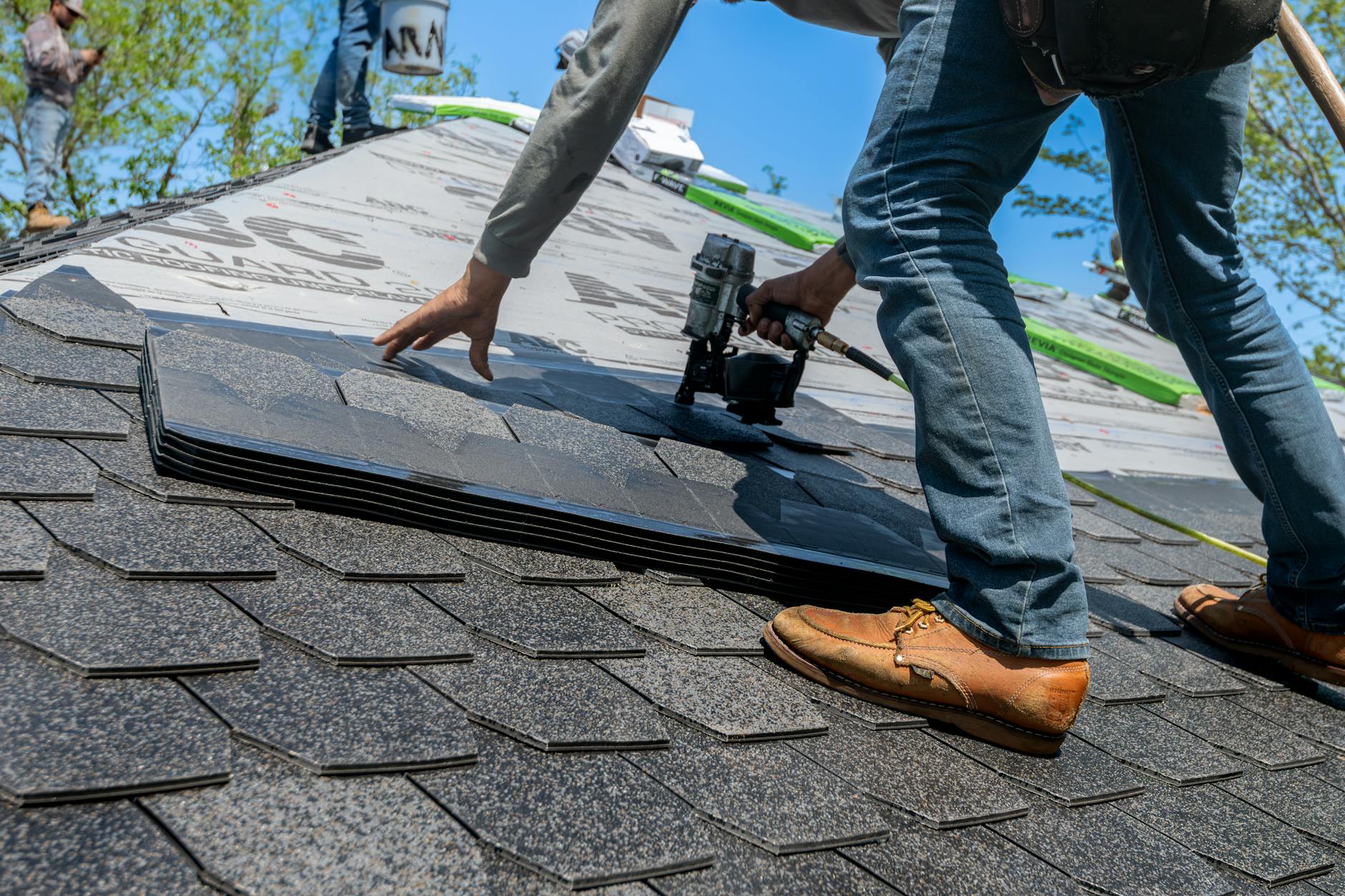
Roof replacement cost in Gilbert, AZ typically runs between $8,000 and $22,000 for a standard single-family home, depending on material, roof size, and what the crew finds once old material is torn off. Asphalt shingles sit at the lower end of that range, while concrete and clay tile push toward the top. Gilbert's intense UV exposure and monsoon season shorten shingle lifespans to 15-20 years and demand specific installation standards that affect both labor rates and material specs. This guide gives you honest, current numbers so you can evaluate contractor quotes with confidence.
What Does a Roof Replacement Actually Cost in Gilbert?
What's the typical price range for replacing a roof in Gilbert, AZ?
Most Gilbert homeowners pay between $8,000 and $22,000 for a full roof replacement. The wide range reflects differences in roof size, pitch, material choice, and the condition of the decking underneath. A 1,600 sq ft ranch home with 3-tab shingles will land near the bottom; a 2,800 sq ft two-story with steep pitch and concrete tile will push the top.
The table below gives you installed cost ranges per roofing square (100 sq ft) from contractors operating in the East Valley in 2026.
| Material | Cost Per Square (Installed) | Estimated Lifespan in AZ | |---|---|---| | 3-Tab Asphalt Shingle | $250 - $350 | 12-15 years | | Architectural Shingle | $350 - $500 | 15-20 years | | Concrete Tile | $450 - $700 | 30-50 years | | Clay Tile | $700 - $1,100 | 40-50+ years | | Spray Polyurethane Foam | $300 - $500 | 10-15 yrs (with recoat) | | Standing Seam Metal | $700 - $1,200 | 40-70 years |
According to the National Roofing Contractors Association cost guidance, labor typically represents 40-60% of a residential roofing invoice, and that percentage climbs on steep-slope roofs because crews need additional safety equipment and work more slowly.
Why Are Gilbert Roof Replacement Costs Different From National Averages?
Does living in Gilbert or the East Valley change what I'll pay compared to a national price estimate?
Yes, and in several ways that matter. Arizona's climate creates demand patterns, material requirements, and labor conditions that push costs away from national medians you'll find in home improvement publications.
UV degradation is faster here. Gilbert sits at an elevation where the UV Index regularly reaches 11 or above according to EPA UV Index data, which is classified as "extreme." That rating directly degrades asphalt binders faster than in northern states, which is why the ARMA manufacturer specification documents for AZ installations recommend Class 4 impact-rated and IR-reflective shingles that cost more per square than standard products.
Monsoon season creates a hard scheduling window. The Arizona monsoon runs from June 15 through September 30. Most Gilbert contractors avoid tear-offs during active monsoon months because an unexpected storm on exposed decking creates immediate interior damage liability. That compressed spring and fall scheduling window inflates demand and labor rates during peak season.
HOA and design guidelines add material constraints. Roughly 80% of Gilbert's residential communities are governed by HOAs. Many require concrete or clay tile that matches the neighborhood aesthetic. If your HOA prohibits architectural shingles, your minimum material cost doubles or triples before you even pick up the phone.
Decking replacement is common in older East Valley homes. Homes built in the 1990s and early 2000s boom used thinner OSB or even older board sheathing. Once existing tile or shingles come off, contractors frequently find sections that need replacement. Budget $2-$4 per sq ft for decking repairs as a contingency.
How Do I Know If I Actually Need a Full Replacement?
Do I really need to replace my entire roof, or could a repair fix the problem?
Many Gilbert homeowners are quoted full replacements when a targeted repair would solve the problem for a fraction of the cost. A new roof is not always necessary, and an honest contractor will tell you that.
Signs a repair is likely sufficient:
- A single leak near a valley, pipe boot, or skylight with no widespread granule loss
- Damage limited to a section smaller than 30% of the total roof area
- Tile that has cracked or slipped but the underlying felt and decking are dry and intact
- A roof that is under 12 years old with no visible structural issues
Signs a full replacement is the right call:
- Asphalt shingles that are visibly curling, cupping, or showing widespread granule loss in gutters
- Multiple active leaks in different roof sections
- Decking that feels spongy when walked on, indicating systemic moisture intrusion
- Age past the expected lifespan for your material (15-20 years for asphalt in AZ, per NRCA lifespan guidance)
- Energy bills that have increased without explanation, suggesting lost reflectivity in roofing material
If you're unsure, request an infrared moisture scan before agreeing to a full replacement. Some East Valley roofing companies offer this as a standalone inspection service. See our roof inspection checklist for what a thorough inspection should cover.
What Factors Drive the Final Quote on My Gilbert Home?
What specific variables will a contractor use to calculate my roof replacement estimate?
Your quote is built from a combination of fixed measurements and conditions the contractor discovers during the estimate. Understanding each one prevents sticker shock.
Roof size and pitch. Contractors measure in "squares" (100 sq ft each). A 2,000 sq ft home does not have a 20-square roof because the roof surface is larger than the footprint. Pitch multipliers typically range from 1.0 (flat) to 1.5 or higher (6:12 and above). Steeper roofs mean slower work, more safety equipment, and higher labor cost per square.
Material selection. This is your biggest lever. Architectural shingles versus concrete tile can be a $6,000-$10,000 difference on a mid-size Gilbert home. If your HOA permits either, get quotes for both and factor in the lifespan difference when calculating cost-per-year.
Tear-off and disposal. Single-layer tear-off is included in most base quotes. If there are two or more existing layers (common on older Gilbert homes that had one re-roof before current owners purchased), expect an additional $50-$100 per square for the extra labor and dumpster fees.
Underlayment specification. Standard felt underlayment is not adequate for Arizona's heat cycle. Most quality contractors in Gilbert now specify synthetic underlayment or high-temperature modified bitumen at valleys and eaves, which adds $0.15-$0.40 per sq ft but dramatically reduces leak risk during monsoon events.
Flashing replacement. Step flashing, chimney flashing, and pipe boots should be replaced during a full re-roof, not reused. Some contractors omit this to lower the bid. Reusing old flashing is a leading cause of post-installation leaks. Confirm your quote includes new flashing at all penetrations.
Permits. Gilbert requires a building permit for roof replacements. Permit fees typically run $150-$400 depending on valuation. Any contractor who suggests "skipping the permit to save money" is creating a liability for you at resale and potentially voiding manufacturer warranties.
For a deeper look at how pitch affects your quote, see our roof pitch and cost explainer.
How Does Roofing Material Choice Affect Long-Term Value in Gilbert?
Which roofing material gives Gilbert homeowners the best return on investment?
The best material depends on your HOA requirements, budget, and how long you plan to own the home. The Remodeling Magazine Cost vs. Value Report consistently shows roofing as a high-return improvement for resale, but the specific ROI varies by material and regional buyer expectations.
Architectural shingles are the budget-smart choice if your HOA allows them. At 15-20 years of useful life in Arizona's climate, they offer a low entry cost with acceptable longevity. Look for products rated for Class 4 impact resistance and carrying a solar reflectance index appropriate for desert climates. Owens Corning, GAF, and CertainTeed all publish product specification sheets indicating IR performance.
Concrete tile is the dominant material in Gilbert's master-planned communities for a reason. At 30-50 years of lifespan, the per-year cost often comes close to or below architectural shingles over a full ownership period. Concrete tile also performs better in hail events, which the National Weather Service records as a recurring Gilbert hazard during spring and monsoon season.
Clay tile outlasts concrete but costs significantly more upfront. It makes strong financial sense on a home that will remain in the family long-term or on high-value properties where the premium appearance supports resale pricing.
Spray polyurethane foam (SPF) is common on flat-roof sections of Arizona ranch homes. It provides both insulation and waterproofing in a single application but requires recoating every 10-15 years to maintain warranty protection. Do not neglect the recoat schedule; failed SPF surfaces create some of the most expensive interior damage scenarios in the Phoenix metro.
Standing seam metal has grown in popularity across the East Valley for its longevity and energy efficiency. The NOAA Storm Events Database shows hail as a recurring threat in Maricopa County, and metal roofing's hail resistance and 40-70 year lifespan make it a compelling long-term value for homeowners who plan to stay.
What Should I Look for When Getting Quotes From Gilbert Roofing Contractors?
How do I compare roofing quotes in Gilbert without getting taken advantage of?
Get a minimum of three written, itemized quotes before signing anything. A good quote specifies material brand and product line, number of squares, underlayment specification, flashing scope, permit inclusion, and warranty terms. A quote that only states "full replacement, 30 squares, tile" is not enough information to evaluate fairly.
Check licensing. Arizona requires roofing contractors to hold a ROC license through the Arizona Registrar of Contractors. You can verify license status and complaint history for free on their website. Do not hire an unlicensed contractor for any reason.
Understand the two warranties. Manufacturer warranties cover material defects for a defined period, often 25-50 years for premium products, but only when the product is installed by a certified contractor according to the manufacturer's specification. Workmanship warranties are separate and come from the contractor, typically ranging from 2 to 10 years. Confirm both in writing before work begins.
Watch for red flags. Storm-chasing contractors spike in Gilbert after hail events. Pressure to sign same-day, requests for large upfront cash payments, offers to "waive your deductible" (which is insurance fraud in Arizona), and vague material specs are all reasons to walk away.
Seasonal timing affects price. Spring (February through May) and fall (October through November) are peak scheduling periods in Gilbert. If your roof is not actively leaking, scheduling a late-fall replacement can sometimes yield better pricing and faster crew availability.
See our guide on how to vet a roofing contractor in Arizona for a full vetting checklist.
Does Homeowners Insurance Cover Roof Replacement in Gilbert?
Will my homeowners insurance pay for my roof replacement in Gilbert?
It depends entirely on the cause of damage. Insurance typically covers sudden, accidental damage from wind, hail, or falling objects. It does not cover wear and tear, UV degradation, or a roof that simply reached the end of its lifespan.
Gilbert sits in a hail-active zone. The NOAA Storm Events Database for Maricopa County documents multiple significant hail events per year, and many homeowners who receive a full replacement quote after a storm are legitimately eligible for an insurance claim. Document all storm events with dated photos. File claims promptly as most policies have a one to two year window from the date of loss.
If your insurer disputes the damage or scope, you have the right to request a re-inspection or hire a licensed public adjuster. The Arizona Department of Insurance regulates claims handling practices and is a resource if you believe a claim is being handled improperly.
One caution: Arizona HB 2057, enacted in 2022, changed how insurers can apply depreciation to roofing claims. Some policies now use Actual Cash Value (ACV) rather than Replacement Cost Value (RCV) for roofing material, meaning you receive the depreciated value of the old roof rather than the full cost of a new one. Review your policy declarations page carefully before assuming full coverage.
For more detail on filing roof insurance claims in Arizona, read our Arizona roof insurance claim walkthrough.
FAQ
How long does a roof replacement take in Gilbert, AZ?
Most single-family Gilbert homes take one to two days for tear-off and installation, assuming no major decking repairs are needed. Larger homes with complex pitch, multiple valleys, or tile roofs may take three to four days. Permitting and inspection scheduling can add a few days to the overall project timeline, but the actual roof exposure period is typically just one day.
Is it worth replacing my roof before selling my Gilbert home?
Sometimes, but not always. A roof with obvious age or active leaks will appear on the buyer's inspection report and typically results in a price reduction or repair credit request that exceeds what a proactive replacement would have cost. If your roof has 5 or more years of useful life remaining and no active leaks, buyers generally accept it. Ask your real estate agent to pull recent MLS disclosures in your neighborhood to see how similar situations were handled locally.
What is the cheapest roofing option for a Gilbert home?
3-tab asphalt shingles carry the lowest installed cost, typically $250-$350 per square installed. However, their 12-15 year lifespan in Arizona's climate means you will replace them sooner than architectural shingles. If your HOA permits either, architectural shingles represent better long-term value for only a modest additional upfront cost.
Do I need a permit to replace my roof in Gilbert?
Yes. The Town of Gilbert requires a building permit for full roof replacements. Your licensed roofing contractor should pull this permit on your behalf as part of the project. If a contractor tells you a permit is unnecessary or suggests skipping it, that is a serious red flag. Unpermitted roofing work can create complications at resale and may void manufacturer warranties.
How do I know if my tile roof needs replacement or just repairs?
Tile itself is extremely durable and rarely needs full replacement before 30-40 years unless there is structural failure or widespread cracking. Most tile roof failures in Gilbert are actually failures of the underlying underlayment, which has a shorter lifespan than the tile above it. A qualified inspector can evaluate whether the underlayment is compromised without replacing the tiles. If only a section is affected, a partial repair or underlayment replacement under existing tiles may be sufficient.
What time of year is best to replace a roof in Gilbert?
October through February is generally ideal. Temperatures are lower, which improves crew performance and adhesive sealing on asphalt products. Scheduling is often easier outside of spring peak season, and there is no risk of monsoon activity disrupting an open tear-off. Avoid scheduling full tear-offs between late June and late September if at all possible.
Know your number before you call a roofer.
Free Roof Cost Estimate