Roof Replacement Cost in Glendale AZ (2026 Guide)
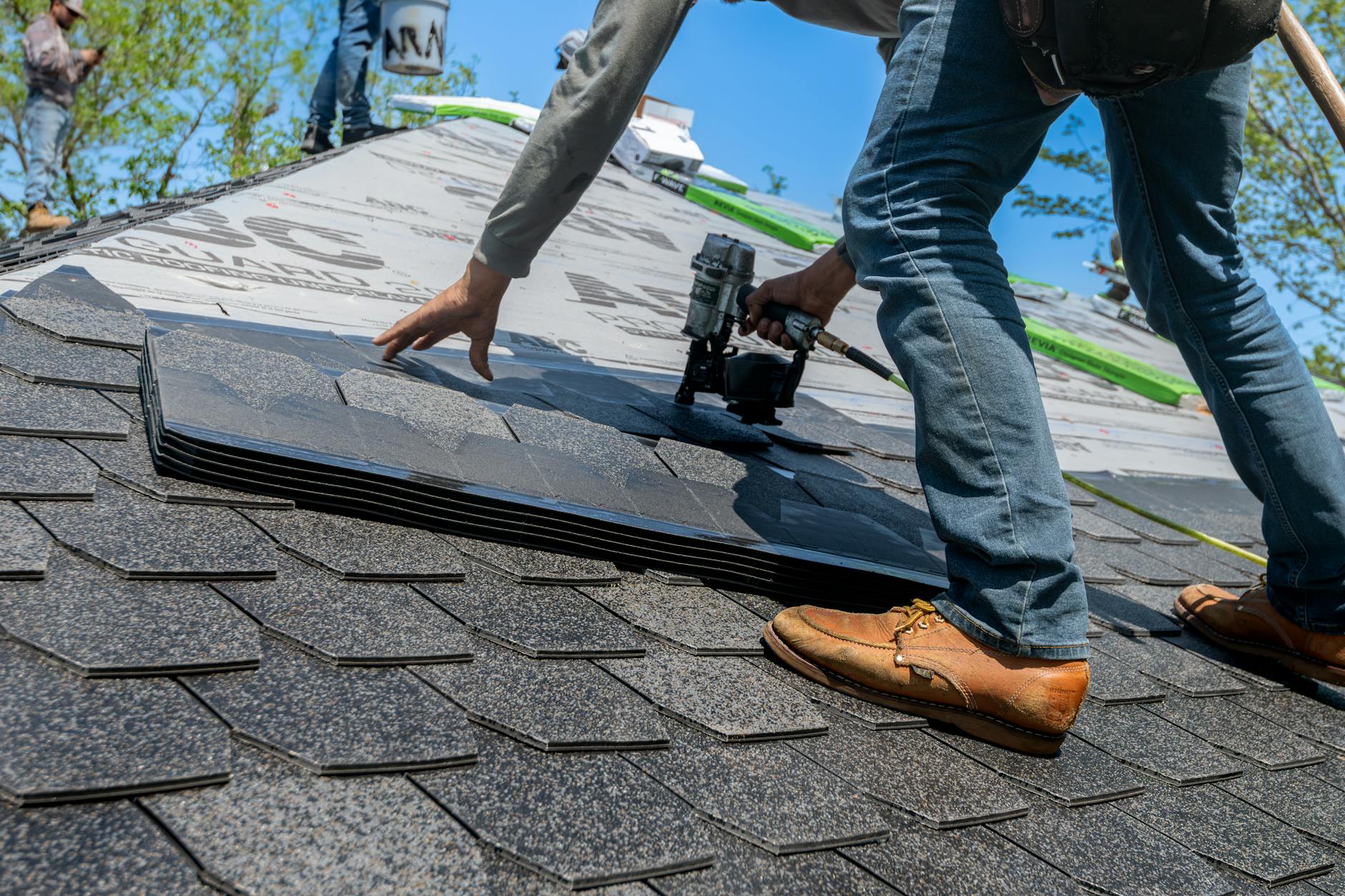
Roof replacement cost in Glendale AZ typically runs between $8,500 and $22,000 for an average single-story home, depending on material choice, roof size, and current condition. Asphalt shingles sit at the lower end of that range, while concrete tile and foam systems push costs higher. Arizona's intense UV exposure and annual monsoon season accelerate wear far faster than national averages suggest, so your timeline matters. This guide gives you honest numbers and tells you when a full replacement is not actually necessary.
What Does a Roof Replacement Actually Cost in Glendale, AZ?
What should a Glendale homeowner expect to pay for a full roof replacement?
Most Glendale homeowners pay between $9,000 and $18,000 for a complete roof replacement on a 1,500 to 2,500 square-foot home. Material type is the single biggest variable, followed by roof pitch and the number of layers being torn off.
Price Ranges by Roofing Material
Which material is right for a Glendale home, and what does each one cost?
The material you choose affects not just the upfront price but how long your roof survives Phoenix metro heat and monsoon abuse.
| Material | Installed Cost per Square (100 sq ft) | Typical Total (1,800 sq ft home) | Arizona Lifespan | |---|---|---|---| | 3-tab asphalt shingle | $350 - $450 | $8,500 - $11,000 | 12 - 17 years | | Architectural shingle | $450 - $600 | $10,500 - $14,500 | 15 - 20 years | | Concrete tile | $700 - $1,000 | $16,000 - $22,000 | 30 - 50 years | | Clay tile | $900 - $1,400 | $20,000 - $32,000 | 40 - 50+ years | | Foam (SPF) roofing | $400 - $600 | $9,500 - $14,000 | 15 - 25 years (with recoating) | | Metal (standing seam) | $900 - $1,500 | $20,000 - $35,000 | 40 - 70 years |
According to Remodeling Magazine's Cost vs. Value report, asphalt shingle replacement recovers roughly 56 to 61 percent of its cost at resale nationally. In hot-climate metros, tile tends to recover more value because buyers expect it.
Architectural shingles are the most common replacement choice in Glendale's residential neighborhoods. They handle thermal expansion better than 3-tab shingles, which matters when roof-surface temperatures regularly hit 160 to 180 degrees Fahrenheit on a Phoenix summer afternoon.
What Drives Roof Replacement Costs Up in Glendale Specifically?
Are there local factors that make Glendale roofing more expensive than national averages?
Yes. Arizona's climate creates several cost factors that national cost calculators rarely account for, including mandatory ice-and-water-shield substitutes, foam underlayments, and structural damage from monsoon-driven moisture intrusion.
UV Degradation and Heat Loading
How does Glendale's sun exposure affect replacement scope and cost?
Glendale sits in a region where the NOAA UV Index regularly reaches 11 or higher from April through September. At that exposure level, asphalt binder in standard shingles oxidizes and cracks faster than manufacturer warranties anticipate. By the time many homeowners notice granule loss, the underlayment beneath has often been compromised too.
When contractors discover a damaged underlayment, the job scope expands. Replacing underlayment adds $0.15 to $0.35 per square foot to labor and material costs. On a 2,000-square-foot roof, that is an additional $300 to $700 that did not appear in the original estimate.
The National Roofing Contractors Association (NRCA) recommends using high-temperature underlayments in climates where rooftop temperatures exceed 150 degrees Fahrenheit. Most reputable Glendale contractors now include this by default, and it is worth confirming in any bid you receive.
Monsoon Season Damage
Does monsoon season make replacements more complicated or more expensive?
It can. Maricopa County's official monsoon season runs June 15 through September 30 each year, per NOAA's Arizona monsoon definitions. High winds, blowing dust, and sudden heavy rain create a combination that lifts compromised flashing, floods dried-out penetrations, and drives moisture into areas that look perfectly dry from the street.
Contractors frequently discover rotted sheathing or water-damaged insulation only after tear-off begins. Board replacement typically runs $2.50 to $4.50 per square foot and is billed as a change order. A roof with significant decking damage can add $1,500 to $4,000 to the original project cost.
If your roof is approaching 15 years old, scheduling an inspection before June 15 is a practical move. See our monsoon roof prep checklist for what inspectors should be looking at.
Roof Pitch and Complexity
Does a steeper or more complex roof cost more to replace in Glendale?
Yes, meaningfully so. Contractors price low-slope roofs (under 4:12 pitch) and steep-slope roofs (above 7:12) differently because of safety equipment requirements and slower production rates.
- Low slope (flat or near-flat): Often uses modified bitumen or foam systems. Adds $50 to $150 per square in labor.
- Steep slope (above 7:12): Requires additional staging, safety anchors, and slower shingle laying. Adds $75 to $200 per square.
- Multiple valleys, skylights, or dormers: Each penetration and valley adds roughly $150 to $400 in flashing labor.
Tear-Off vs. Re-Roof (Overlay)
Is it cheaper to put new shingles over the old ones instead of tearing off?
Overlaying is cheaper upfront by $1.00 to $1.50 per square foot, but it is often the wrong call in Arizona. Arizona's residential building code, as adopted through the International Residential Code, generally allows one overlay on most residential structures, but most Glendale roofing contractors advise against it for two reasons.
First, trapped heat between two shingle layers accelerates the degradation of both. Second, a re-roof hides the decking condition from the inspector. If there is sheathing damage underneath, it stays hidden and continues to worsen. A full tear-off costs more now but gives you a known starting point and a warranty that is not compromised by what is buried underneath.
When Do You NOT Need a Full Roof Replacement?
How do I know if I can get away with repairs instead of a full replacement?
If your roof is less than 15 years old, damage is isolated to one or two areas, and the decking and underlayment are intact, repairs are almost always the right call. Replacing a full roof when targeted repairs would work is one of the most common upsells in the industry.
Signs that repairs are sufficient:
- Damage is limited to one slope or one wind event
- Fewer than 10 to 15 percent of shingles are affected
- Underlayment is dry and intact under inspection
- Flashing failure at a single vent or chimney penetration
- A single cracked or lifted tile on a concrete tile roof
Signs you likely do need a full replacement:
- Shingle granules filling gutters across the full roof
- Multiple areas of soft decking when walked
- Shingles older than 18 to 20 years in Arizona's climate
- Active interior leaks during normal rain, not just monsoon blowback
- Foam roof that has not been recoated in over 10 years and is showing bare foam
For help thinking through repairs versus replacement, read our roof repair vs. replacement guide before calling a contractor. Getting a second opinion on any estimate over $5,000 is also a reasonable step.
How to Get an Accurate Estimate in Glendale
What should I look for when requesting a replacement quote?
A trustworthy replacement estimate for a Glendale home should be written, itemized, and include specific product names, not generic descriptions.
What a Good Estimate Includes
What line items should appear on any roofing bid I receive?
A complete bid should list:
- Tear-off cost (per square or flat fee)
- Disposal and haul-away fee
- Decking inspection and any per-sheet repair pricing
- Underlayment brand and type (not just "synthetic underlayment")
- Shingle brand, line name, and color
- Drip edge, flashing, and starter strip material
- Manufacturer warranty duration and transferability
- Workmanship warranty duration
- Permit fee (Glendale requires a permit for full roof replacements through the City of Glendale Development Services Department)
Any contractor who does not pull a permit is putting you at risk for complications at resale and potentially voiding your homeowner's insurance claim if a future storm causes damage.
Contractor Licensing in Arizona
How do I verify a roofing contractor is legitimate in Arizona?
Arizona requires all roofing contractors to hold a license through the Arizona Registrar of Contractors (AZROC). You can verify any contractor's license, bonding status, and complaint history directly on their website at no cost. Never pay more than 10 percent or $1,000 (whichever is less) as a deposit before work begins, which is also the AZROC standard recommendation.
Financing and Insurance Considerations
Can I use homeowner's insurance or financing to cover a Glendale roof replacement?
Insurance may cover replacement if damage results from a covered peril such as a monsoon wind event or hail. Financing is widely available but adds to total project cost.
Insurance Claims for Roof Damage
Most standard homeowner's policies cover sudden and accidental damage from wind, hail, or falling objects. They do not cover normal wear and deterioration from age and sun exposure. If your roof is 18 years old and has been slowly degrading, your insurer will likely deny the claim or apply a depreciation penalty that leaves you covering most of the cost out of pocket.
Document any damage immediately after a storm with time-stamped photos. Filing a claim within the policy's reporting window is critical. Arizona's monsoon season makes this step easy to forget during cleanup.
Financing Options
Several large roofing manufacturers offer financing through third-party lenders. GAF's roofing financing and similar programs typically run 12 to 60 month terms. Home equity lines of credit often carry lower interest rates if you have available equity. Avoid any contractor who pushes high-pressure financing packages during the initial sales visit.
What Affects Long-Term Value in Glendale's Market?
Does roof material affect home resale value in the Glendale area?
In Glendale and broader Maricopa County, tile roofs carry a perceived quality premium that often influences buyer expectations. Homes in older subdivisions that still have original 20-year-old asphalt shingles may face buyer negotiations or inspection demands at time of sale.
A concrete tile roof in good condition is genuinely one of the better long-term investments for a Glendale home because of its 30 to 50 year Arizona lifespan and buyer appeal. The upfront cost is significantly higher, but the per-year cost when amortized over the roof's life is often comparable to replacing asphalt shingles twice over the same period.
If you are planning to sell within 5 years, a mid-grade architectural shingle replacement is likely the most cost-efficient choice. If you are planning to stay 15 or more years, tile or metal warrant serious consideration. Our roofing materials comparison for Arizona homes breaks this down further.
Frequently Asked Questions
How long does a roof replacement take in Glendale, AZ?
Most single-story Glendale homes can have an asphalt shingle roof replaced in one to two days. Tile roofs typically take three to five days due to material weight, setting time for mortar, and the more complex installation process. Larger homes or those with significant decking repairs can add one to two additional days.
Is summer or winter a better time to replace a roof in Glendale?
Neither extreme is ideal. Monsoon season (June 15 to September 30) introduces scheduling uncertainty because afternoon thunderstorms can halt open-roof work. Contractors are also busiest immediately after major storm events. Late October through April is generally the most predictable weather window and can sometimes result in better contractor availability and scheduling. Shingles do need adequate heat to seal properly, which is never a concern in Glendale's climate even in winter.
Does Glendale require a permit for roof replacement?
Yes. The City of Glendale requires a building permit for full roof replacements and for significant repairs in most cases. Your contractor should pull the permit on your behalf as part of the project. Permits protect you by requiring an inspection of the completed work, which creates a record that is valuable at resale and for insurance purposes.
How do I know if a low bid is a red flag?
A bid that comes in 30 percent or more below other estimates usually indicates missing scope, lower-grade materials, or a contractor who does not carry adequate insurance. Ask for the material specification sheet for any product listed in a bid and verify it matches what was quoted. Also confirm the bid includes permit fees and haul-away, since those are sometimes excluded to make a number look lower.
Will insurance cover my Glendale roof replacement?
Only if damage resulted from a covered peril, typically wind, hail, or falling objects, and only if the damage is not the result of gradual deterioration. Arizona does not experience hail at the frequency of the Midwest, but monsoon wind events can cause legitimate covered damage. An independent roofing inspector (not the contractor selling you the job) is a good first step before filing any claim.
What is the lifespan of an asphalt shingle roof in Glendale's climate?
In most of the country, architectural shingles carry 25 to 30 year manufacturer warranties. In the Phoenix metro, realistic lifespan is 15 to 20 years due to sustained UV exposure and heat loading. The warranty will cover manufacturing defects but does not protect against climate-accelerated wear. Plan your replacement budget with a 17 to 20 year horizon for most shingle products installed in Glendale.
*For more on roofing decisions specific to the Phoenix metro, see our Arizona roofing overview and our guide to finding a licensed roofer in Maricopa County.*
Know your number before you call a roofer.
Free Roof Cost Estimate