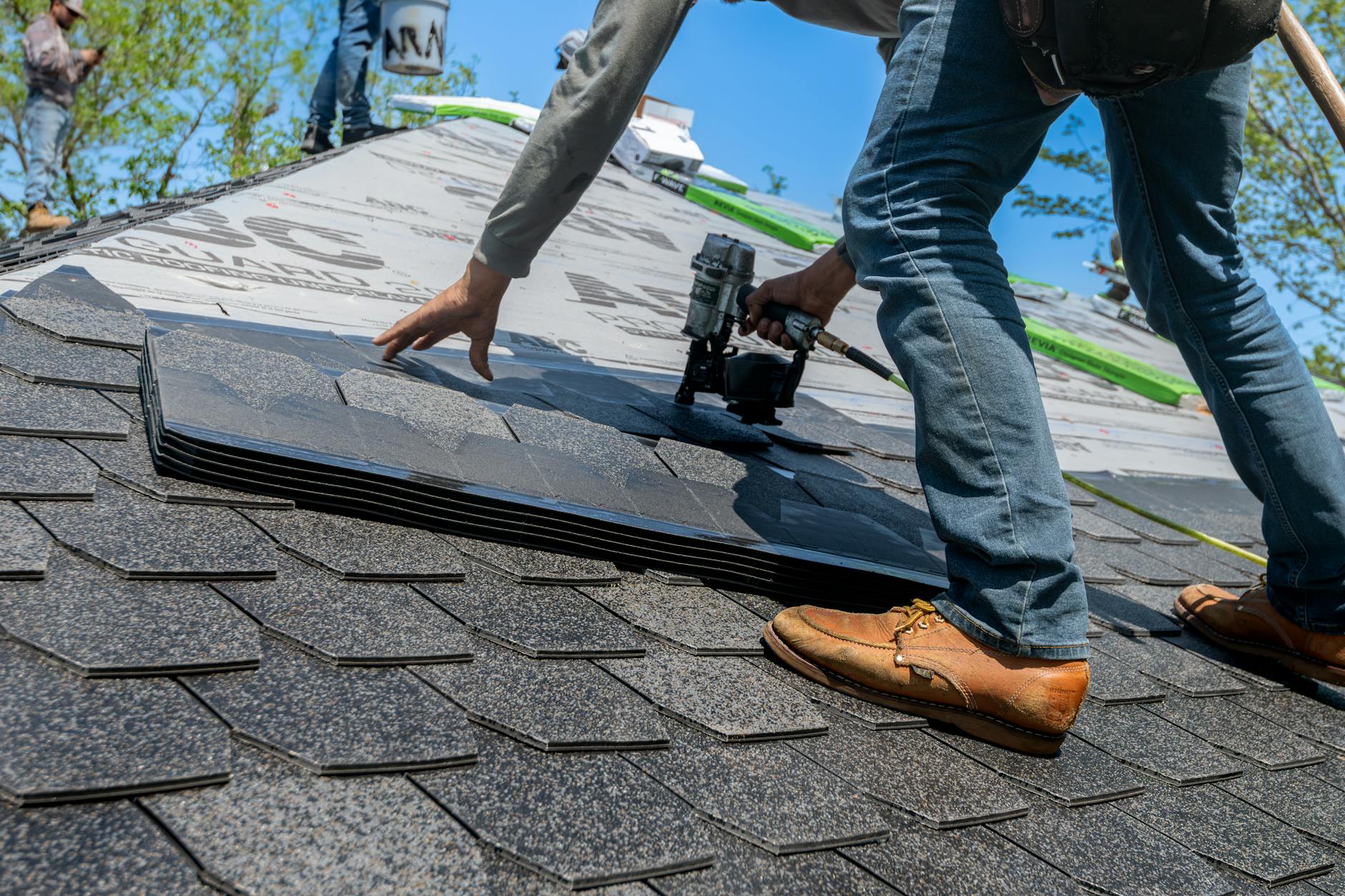
Roof Replacement Cost in Paradise Valley AZ
The roof replacement cost in Paradise Valley AZ typically runs between $12,000 and $45,000 for most residential homes, depending on roof size, material, and slope complexity. Tile roofs dominate the luxury market here and carry higher material and labor costs than standard asphalt shingles. Arizona's UV index regularly hits 11 or higher and the monsoon season runs June 15 through September 30, both of which shorten roof lifespans and shape local contractor pricing. This guide gives you real numbers, honest trade-offs, and a clear way to tell whether you actually need a full replacement.
What does roof replacement actually cost in Paradise Valley AZ?
Most Paradise Valley homeowners pay between $15,000 and $38,000 for a full roof replacement, with higher-end custom estates pushing past $60,000. The wide range comes down to square footage, pitch, material choice, and how much decking or underlayment needs replacement underneath.
Paradise Valley homes average 3,500 to 6,000 square feet of living space, and rooflines on luxury properties are often complex with multiple hips, dormers, and varied slopes. Contractors price roofing work in "squares", one square equals 100 square feet of roof surface. The roof surface area of a 4,000 sq ft home typically spans 45 to 60 roofing squares once slope is factored in.
Here are working price ranges by material, priced per square including labor and basic materials:
| Material | Low Estimate | High Estimate | Typical Lifespan in AZ | |---|---|---|---| | 3-tab asphalt shingle | $350/sq | $500/sq | 12–18 years | | Architectural shingle | $450/sq | $650/sq | 15–20 years | | Concrete tile | $650/sq | $950/sq | 30–50 years | | Clay tile | $850/sq | $1,400/sq | 40–50+ years | | TPO flat roofing | $500/sq | $800/sq | 20–25 years | | Metal standing seam | $900/sq | $1,600/sq | 40–70 years |
These estimates reflect 2025–2026 Phoenix metro labor rates and do not include tear-off of multiple existing layers, structural repairs, or permit fees.
Why does Paradise Valley cost more than other Phoenix metro cities?
Contractor labor rates in Paradise Valley run 10 to 20 percent higher than in neighboring Mesa or Chandler because of longer drive times, stricter town permitting, and the complexity of high-end rooflines. The Town of Paradise Valley also has specific code requirements that affect material approvals and inspection timelines.
The Town of Paradise Valley Building Safety Division requires permits for all roof replacements, and inspections are mandatory before a job is considered closed. Contractors who are unfamiliar with local procedures often underestimate permit lead times, which can delay your project by a week or more.
Beyond permitting, many Paradise Valley estates feature roofs with steep pitches above 7:12. Steep-slope work requires additional fall protection equipment and slower installation, both of which add labor hours. According to NRCA installation guidelines, steep-slope roofing carries a defined safety and labor premium that legitimately shows up in your quote.
What drives the total price higher or lower?
Six factors move your final invoice the most: roof size, pitch, material grade, number of existing layers to tear off, deck condition, and the time of year you schedule the job.
How does roof size affect cost?
More squares mean more material and more labor hours. It sounds obvious, but the relationship is not perfectly linear. Mobilization costs, truck, crew, equipment setup, are fixed regardless of size. A 60-square roof is not twice as expensive as a 30-square roof. For large Paradise Valley estates, this means your per-square cost often drops slightly as total square footage grows.
Does roof pitch add cost?
Yes. A pitch above 6:12 typically adds $50 to $150 per square to your labor cost. OSHA fall protection requirements under 29 CFR 1926.502 kick in at 6 feet of fall exposure, and steeper roofs require more time per square to walk and work safely. Many Paradise Valley custom homes sit in the 8:12 to 12:12 range.
How does tear-off affect the estimate?
Arizona building code allows a maximum of two layers of roofing material on most residential structures. If your home already has two layers, full tear-off is required before new material goes down, adding $1,000 to $3,500 to your total.
Tear-off also reveals the condition of the decking beneath. Rotted or delaminated OSB or plywood must be replaced before new material is installed. Budget $75 to $120 per sheet for decking replacement if needed. This is not padding, it is a code and warranty requirement.
Does the time of year matter for pricing?
Scheduling outside of peak summer demand (May through August) can save 5 to 10 percent. Most Paradise Valley homeowners call for quotes after they notice a monsoon leak or a failed inspection. That clusters demand in late summer and early fall. Booking in November through February, when crews are less loaded, gives you more negotiating leverage and faster scheduling.
Tile roof replacement: what Paradise Valley homeowners actually pay
Concrete and clay tile dominate Paradise Valley rooflines for good reason: they handle sustained UV exposure far better than asphalt, and they match the Mediterranean and Spanish Colonial architectural styles common in the town. A full tile replacement on a mid-size estate runs $28,000 to $55,000.
Arizona's UV index regularly reaches 11 or higher, a level the EPA classifies as "extreme." At that intensity, organic materials in asphalt shingles degrade faster than manufacturer timelines suggest. The International Residential Code Section R905.3 recognizes tile as a Class A fire-rated assembly, which also matters in Paradise Valley's high-value fire risk areas near the McDowell Mountains.
Tile replacement involves more than the tiles themselves. The underlayment beneath the tile is the actual waterproofing layer, and it typically lasts 20 to 30 years even when tiles last 40 to 50. Many "tile re-roofs" in Paradise Valley are really underlayment replacements with tile re-set, a substantially different scope of work than a full tear-off and replacement. Make sure your contractor's quote specifies which one you are getting.
See our detailed breakdown at /blog/tile-roof-replacement-cost-phoenix/ for a line-item comparison.
Asphalt shingle costs in Paradise Valley
Asphalt shingles are less common in Paradise Valley but are not unknown, especially on newer builds from the 2000s and on lower-slope sections of larger estates. Expect to pay $18,000 to $28,000 for a full architectural shingle replacement on a typical home in the town.
Remodeling Magazine's Cost vs. Value report consistently shows asphalt shingle replacement recouping 55 to 70 percent of its cost at resale nationally. In a market like Paradise Valley, where median home values exceed $2 million, buyers tend to expect tile, and a shingle roof may not maximize your resale return.
That said, asphalt shingles from manufacturers like GAF and Owens Corning now carry 30-year warranties and Class 4 impact resistance ratings, which matter during monsoon hail events. Owens Corning Duration Storm shingles carry a Class 4 impact resistance rating under UL 2218, which can qualify your home for an insurance discount in Arizona.
For more on shingle options in the East Valley, visit /blog/best-roofing-shingles-arizona/.
Do you actually need a full roof replacement?
Not every roof problem requires a full replacement. If your roof is under 15 years old, has localized damage, and the decking is sound, a targeted repair will almost always be the better financial decision.
This is where honest assessment matters. Some contractors default to replacement quotes because the margin is higher. Here are situations where a repair is legitimately sufficient:
- A single field of damaged tiles after a hail storm with the rest of the roof intact
- Cracked or missing tiles on a roof with good underlayment still in service
- Flashing failures around a chimney or skylight with no broader moisture damage
- Small flat-roof blisters or punctures on a TPO or foam system under 15 years old
Here are situations where replacement is the right call:
- Underlayment is saturated or failing across multiple sections
- The roof is 20-plus years old and has had repeated repairs in different areas
- Decking shows widespread rot or delamination
- Insurance has denied a repair claim and you need a code-compliant new surface
NOAA monsoon precipitation data for the Phoenix area shows that the East Valley receives 2 to 4 inches of rainfall during an active monsoon season, often delivered in intense 30-minute bursts. A roof that passes a standard dry-season inspection can fail under that load. If you had active leaking during last monsoon season, treat that as a diagnostic signal, not just a minor annoyance.
Our /services/roof-inspection-phoenix/ page explains what a proper pre-monsoon inspection covers.
How to compare contractor quotes in Paradise Valley
Get at least three written quotes that itemize labor, material, tear-off, permit fees, and warranty terms separately. Any quote that bundles everything into a single lump sum is a red flag.
Ask each contractor these questions before signing:
- Are you licensed with the Arizona Registrar of Contractors?
- Do you carry general liability and workers' compensation insurance?
- Is the permit pulled in your company's name, and do you handle inspections?
- What manufacturer warranty tier does this installation qualify for?
- Who is the crew doing the work, your employees or a subcontractor?
The Arizona Registrar of Contractors maintains a public license lookup. Any contractor who cannot give you their ROC license number on the spot should not be on your shortlist.
GAF's Master Elite contractor program and Owens Corning's Platinum Preferred Contractor designation both require installation training and ongoing certification. These tiers unlock the longest manufacturer warranties, up to 50 years on some systems, which matter significantly in a market like Paradise Valley where roofs are a major selling point.
What about insurance and permits?
Paradise Valley requires a building permit for any full roof replacement. Permit fees typically run $300 to $800 depending on project valuation. Your contractor should pull the permit, not you, because it ties liability to their license.
If storm damage triggered your replacement, contact your homeowner's insurance carrier before you sign anything with a contractor. Arizona has a relatively short window for storm damage claims, and some policies require you to document damage before any repairs begin. Photograph everything yourself and request that your insurer send an independent adjuster before a contractor touches the roof.
The Arizona Department of Insurance and Financial Institutions provides guidance on homeowner policy rights, including your right to choose your own licensed contractor regardless of what an insurance company's preferred vendor list says.
Frequently Asked Questions
How long does a roof replacement take in Paradise Valley?
Most single-family home replacements in Paradise Valley take one to three days for the physical installation. Permitting and inspection scheduling can add five to ten business days to the overall project timeline. Complex rooflines with multiple breaks, valleys, and penetrations take longer than simple hip or gable roofs.
Can I stay in my home during roof replacement?
Yes. Roof replacement does not require you to vacate. Expect significant noise during tear-off and installation, typically 7 a.m. to 5 p.m. Contractors should protect landscaping and pool equipment with tarps, and debris removal should happen daily. If they are not cleaning up each day, address it immediately.
Is a tile repair cheaper than a full tile replacement?
Often, yes. Re-pointing cracked mortar, replacing individual broken tiles, or re-setting a section of displaced tiles can run $500 to $3,000 depending on scope, far less than a full replacement. The key variable is the underlayment condition. If the underlayment is failing, a tile repair is only a temporary fix and a replacement becomes the cost-effective long-term choice.
Will a new roof increase my home's value in Paradise Valley?
A new tile roof on a Paradise Valley home typically adds measurable resale value and shortens time on market. Buyers in this price tier expect a roof with known remaining life. A 5-year-old roof is a selling point; a 22-year-old roof with deferred maintenance is a negotiating liability. That said, the cost-to-value ratio on roof replacement is rarely 1:1, you are not likely to recoup 100 percent of the cost in list price alone.
What is the best roofing material for Paradise Valley's climate?
For full-replacement projects, concrete tile or clay tile offers the best balance of longevity, UV resistance, and aesthetic fit for the Paradise Valley market. If budget is a constraint, a Class 4 architectural shingle is a legitimate alternative. For flat roof sections, TPO or spray polyurethane foam with an elastomeric coating are both widely used and well-suited to the heat load. Avoid standard 3-tab asphalt shingles, they degrade quickly under sustained UV index 11 conditions.
How do I know if my roofer is licensed in Arizona?
Search the Arizona Registrar of Contractors license lookup using the contractor's name or ROC number. Verify that the license is active, that the classification matches roofing work (CR-15 for commercial roofing, R-15 for residential), and that there are no open disciplinary actions. This takes less than two minutes and is one of the most important steps you can take before signing a contract.
*Looking for more? See our /blog/phoenix-roof-replacement-cost/ overview or check /services/free-roof-estimate-east-valley/ to connect with vetted local contractors.*
Know your number before you call a roofer.
Free Roof Cost Estimate