Roof Replacement Cost in Phoenix, AZ: What Homeowners Actually Pay
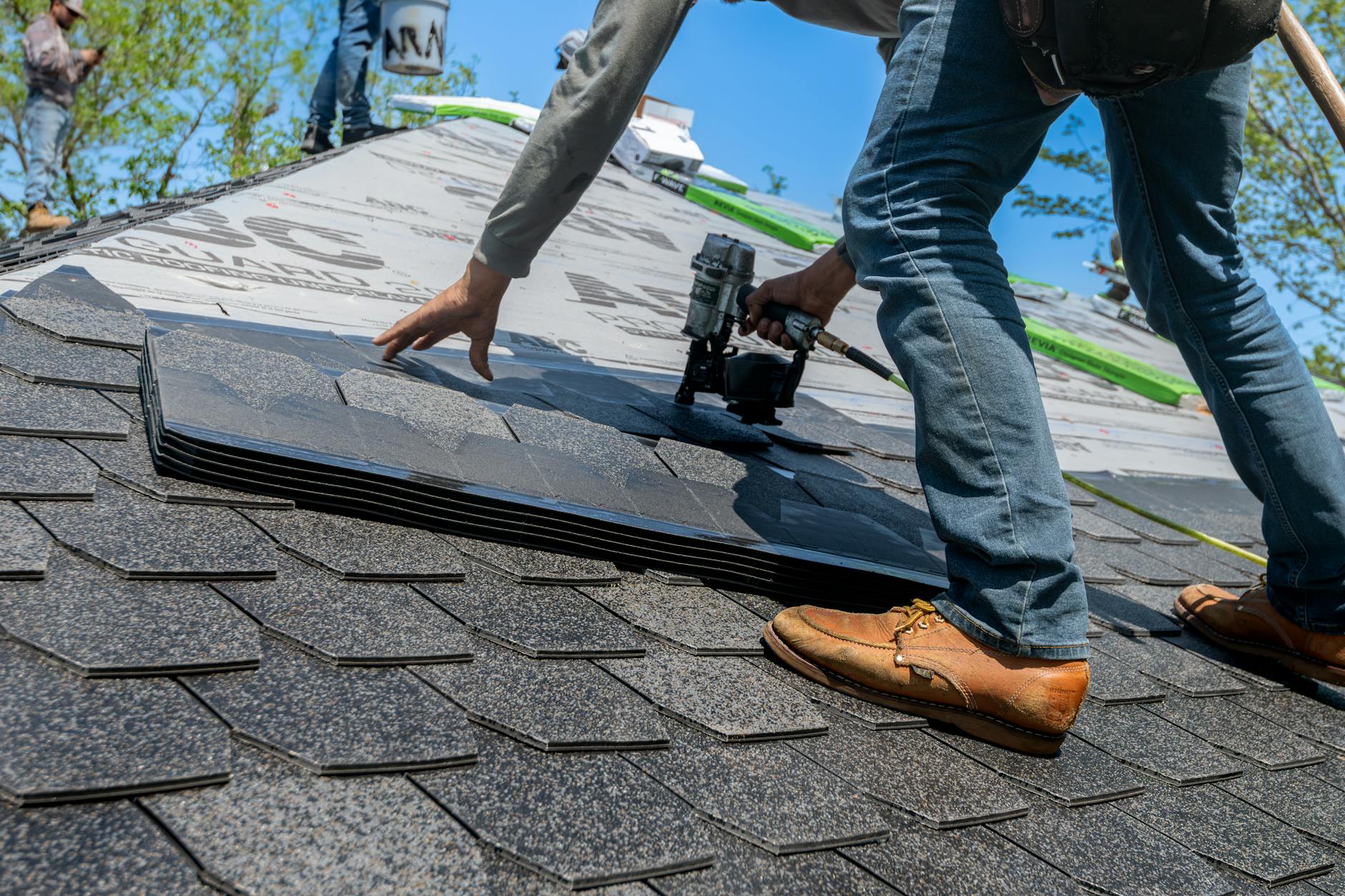
Roof replacement cost in Phoenix AZ typically runs between $8,000 and $22,000 for an average single-family home, depending on roof size, material, and pitch. Tile roofs lean toward the higher end of that range, while asphalt shingle and foam flat roofs are generally more affordable. Arizona's UV index regularly hits 11 or above and monsoon season runs June 15 through September 30, both of which accelerate wear faster than in cooler climates. This guide gives you real numbers, explains what drives costs up or down, and tells you honestly when a repair might be all you need.
How Much Does a Full Roof Replacement Cost in Phoenix?
What is the average price range for replacing a roof in the Phoenix metro?
Most Phoenix-area homeowners pay between $8,000 and $22,000 for a complete roof replacement. The wide range reflects differences in roof size, slope, material choice, and whether the deck underneath needs repairs. A 1,600 sq ft home with a moderate-pitch shingle roof sits closer to $9,000–$12,000, while a 2,800 sq ft tile roof on a complex hip design can reach $18,000–$24,000.
Here is a breakdown by roofing type that is common in Maricopa County:
| Roof Type | Typical Cost Range | Expected Lifespan in AZ | |---|---|---| | 3-Tab Asphalt Shingle | $7,500 – $11,000 | 15–18 years | | Architectural Shingle | $9,500 – $14,500 | 18–22 years | | Concrete Tile | $13,000 – $22,000 | 30–50 years | | Clay Tile | $15,000 – $26,000 | 40–50+ years | | Foam (SPF) Flat Roof | $6,500 – $12,000 | 15–20 years (with recoat) | | TPO / Modified Bitumen | $7,000 – $13,500 | 15–25 years |
These figures are based on Phoenix-area contractor data and align with national cost benchmarks tracked by Remodeling Magazine's Cost vs. Value report, which consistently shows roofing as one of the highest-ROI home improvements in the Mountain region.
Labor typically accounts for 40–60% of total project cost in the East Valley. Material prices fluctuate with supply chains, but Arizona's freight costs from Gulf Coast shingle manufacturers add a small premium compared to Southeastern states.
What Factors Drive Roof Replacement Costs Up or Down in Phoenix?
Which specific variables most affect the final price a Phoenix homeowner pays?
Roof size, pitch, material, and tear-off complexity are the four biggest cost levers. Each one can shift your final price by thousands of dollars, and understanding them helps you evaluate contractor bids fairly.
Roof Size and Square Count
Roofing is priced per "square," which equals 100 square feet of roof surface. A flat 2,000 sq ft footprint house rarely has a 2,000 sq ft roof surface because slopes add area. A 4:12 pitch adds roughly 5–7% to surface area; a 7:12 pitch adds 20–25%. Always ask contractors for the square count, not just the house square footage.
Pitch and Accessibility
Steep roofs above 6:12 require additional safety equipment and slower installation. Phoenix homes in Ahwatukee and the Scottsdale foothills often feature pitches of 7:12 or higher, which can add $1,000–$2,500 to labor costs versus a standard ranch-style home.
Tear-Off and Deck Condition
Arizona's intense UV exposure, documented by NOAA's UV Index data for Phoenix, breaks down organic materials faster than nearly anywhere in the continental U.S. When a roof is stripped, contractors frequently find rotted decking, failed flashing, or compromised fascia boards. Budget an additional $0.75–$2.00 per square foot for deck repairs as a contingency.
Layers Already on the Roof
Arizona building code allows a maximum of two roofing layers on most residential structures. If your home already has two layers, a complete tear-off is required, adding $1,000–$2,500 in labor and disposal fees.
Material Cost Volatility
Asphalt shingle prices are tied to petroleum costs. Concrete tile is manufactured locally at several Maricopa County facilities, which gives it a slight freight advantage over imported clay tile. The National Roofing Contractors Association publishes annual material cost guidance that Phoenix contractors reference when building their estimates.
Permits
Maricopa County and most East Valley municipalities require a permit for roof replacement. Permit fees typically run $150–$400. The City of Mesa Building Safety Division and similar city offices publish their current fee schedules online. Any contractor who suggests skipping the permit should be disqualified immediately.
Do You Actually Need a Full Roof Replacement or Just Repairs?
How do you know whether a repair is sufficient versus a full replacement in Arizona?
A repair is often the right call. If your roof is less than 15 years old, structurally sound, and the damage is limited to one or two sections, a repair costing $400–$1,800 can extend roof life by 5–10 years. Do not let a contractor pressure you into a full replacement if the underlying deck and most of the surface are in good condition.
Signs a repair is sufficient:
- Damage is confined to one slope or one storm-related impact zone
- Fewer than 10–15% of shingles or tiles are cracked, lifted, or missing
- There is no evidence of moisture intrusion in the attic insulation or decking
- The roof is under 12 years old (shingles) or under 25 years old (tile)
Signs a full replacement is warranted:
- Shingles are granule-depleted across most of the surface (granules in gutters are a reliable indicator)
- Tile has widespread hairline cracking from thermal cycling, which is accelerated by Phoenix's 110°F summer temperatures followed by monsoon temperature drops
- Flashing failures exist at multiple penetrations
- The roof is past its expected lifespan: asphalt shingles typically last 15–20 years in Arizona's climate, compared to 25–30 years in cooler regions, due to UV degradation
- Your energy bills have increased significantly, suggesting failing ventilation or insulation tied to the roofing system
See our roof repair vs. replacement guide for a step-by-step decision framework.
How Does Monsoon Season Affect Roofing Costs and Timing in Phoenix?
Does monsoon season change when you should schedule a replacement or what it costs?
Yes on both counts. Monsoon season (June 15 through September 30) creates two pressures: higher demand after storm damage drives up both contractor availability and pricing, and open roofs during active weather create real risk. Plan replacements for October through May when possible.
During monsoon season, hail and straight-line wind events can strip shingles, crack tile, and puncture flat roof membranes overnight. NOAA storm data for Maricopa County shows that the East Valley averages 4–8 significant wind events per monsoon season with gusts exceeding 60 mph.
Practical timing advice for Phoenix homeowners:
- October through February is the slowest period for roofing contractors, which means more competitive pricing and faster scheduling.
- March through May is still manageable but demand begins climbing.
- Post-monsoon September and October is the busiest period of the year. Expect 2–4 week lead times and potentially 10–15% higher bids.
If a monsoon event damages your roof and you need immediate work, a temporary tarp and interior documentation for your insurance claim is the right first step. Rushing into a full replacement with the first contractor who knocks on your door after a storm is one of the most common and expensive mistakes Phoenix homeowners make.
What Does Roofing Cost Per Square Foot in Phoenix?
What is a reasonable per-square-foot or per-square price to expect from a Phoenix contractor?
For installed cost (materials plus labor), here are reliable benchmarks per square (100 sq ft) in the Phoenix metro:
- Architectural asphalt shingles: $380–$580 per square
- 3-tab asphalt shingles: $290–$420 per square
- Concrete tile: $700–$1,100 per square
- Clay tile: $900–$1,500 per square
- SPF foam flat roof: $4.50–$7.50 per square foot installed
These figures are consistent with manufacturer installation documentation from Owens Corning's contractor resource center and GAF's published regional labor estimates.
A note on low bids: if a contractor submits a bid significantly below these ranges, ask specifically what shingle grade they are specifying, whether the estimate includes a full tear-off, and what warranty they carry. Arizona's heat and UV environment make shingle quality a long-term cost issue, not just a day-of-install issue.
How Does Arizona's Climate Affect Material Selection and Long-Term Cost?
Which roofing materials hold up best against Phoenix heat, UV, and monsoon conditions?
Concrete and clay tile are the dominant choice in the Phoenix metro for good reason. Both materials are rated for Class A fire resistance, reflect more solar energy than dark asphalt, and routinely last 30–50 years in the desert Southwest. The higher upfront cost is offset by the replacement cycle: one tile roof over a 50-year homeownership period versus two or three shingle roofs.
For flat-roof sections, which are common on Phoenix ranch homes and casitas, spray polyurethane foam (SPF) with a reflective elastomeric coating is a proven performer. The reflective coating directly addresses Arizona's UV index, which regularly exceeds 11, the maximum level on the EPA's UV index scale. The EPA's UV Index public resource confirms that UV exposure at this level degrades organic roofing materials at an accelerated rate.
If budget requires asphalt shingles, choose architectural (laminate) shingles rated Class 3 or Class 4 impact-resistant and carry a manufacturer warranty of at least 30 years. Look for shingles with a high Solar Reflectance Index (SRI) score, which can meaningfully reduce attic temperatures and lower cooling costs. ENERGY STAR certified roofing products list qualifying shingles by brand and SKU.
For more on choosing the right material for East Valley homes, see our Arizona roofing materials comparison.
How Do You Get an Accurate Bid and Avoid Common Contractor Scams?
What should a Phoenix homeowner look for when getting roof replacement quotes?
Get at least three written bids. Each bid should specify the exact material (brand, product line, and weight/grade), number of squares, tear-off inclusion, permit responsibility, dumpster and disposal plan, and warranty terms for both materials and workmanship.
Red flags specific to the Phoenix market:
- Storm chasers who appear door-to-door after monsoon events and push same-day contracts
- Contractors who offer to waive your insurance deductible (this is insurance fraud under Arizona statute)
- Bids that reference only "30-year shingles" without naming a specific product, which makes price comparison meaningless
- Requests for full payment upfront (standard practice is 30–50% deposit, balance on completion)
Verify that any contractor you hire holds a current Arizona Registrar of Contractors license. The Arizona Registrar of Contractors license lookup tool allows you to confirm licensure, bond status, and complaint history in under two minutes. This is a non-negotiable step.
Also confirm the contractor carries general liability insurance (minimum $500,000) and workers' compensation. If a worker is injured on your property and the contractor is uninsured, you may face liability exposure.
See our how to hire a Phoenix roofing contractor page for a full vetting checklist.
Does Homeowners Insurance Cover Roof Replacement in Phoenix?
Will your Arizona homeowners insurance pay for a roof replacement?
It depends entirely on the cause of damage. Insurance covers sudden, accidental events: hail, wind, falling objects, and fire. It does not cover normal wear and aging, even in a climate as harsh as Phoenix's.
Arizona-specific considerations:
- Many insurers have added separate wind and hail deductibles for Arizona policies in recent years, often 1–2% of the home's insured value rather than a flat dollar deductible.
- ACV (actual cash value) policies pay replacement cost minus depreciation. A 17-year-old shingle roof in Phoenix may have very little ACV remaining, meaning your payout covers only a fraction of replacement cost.
- RCV (replacement cost value) policies pay the full replacement cost after you complete the repair and submit final invoices.
After any monsoon event, document the damage with timestamped photos before any repairs, file your claim promptly, and request the insurer's written coverage determination before signing a contract with a contractor. The Arizona Department of Insurance and Financial Institutions handles complaints and can clarify your policy rights if a claim is disputed.
Frequently Asked Questions
How long does a roof replacement take in Phoenix?
Most single-family home replacements in the Phoenix metro are completed in one to three days. A straightforward 2,000 sq ft shingle roof with no deck damage is often done in a single day. Tile roofs are more labor-intensive and typically require two to four days. Complex hip designs, steep pitches, or significant deck repairs can extend timelines further.
Should I get a roof replacement before selling my home in the East Valley?
Not automatically. A roof near end of life will show up on a buyer's inspection and typically results in a price reduction or seller concession, so replacement can improve marketability. However, if the roof has 5–8 years of useful life remaining, offering a price adjustment or a home warranty may be more cost-effective than replacing it before listing.
What is the best time of year to replace a roof in Phoenix?
October through February is the optimal window. Temperatures are moderate, contractor schedules are less congested, and the risk of afternoon monsoon interruptions is zero. Spring (March–May) is also a good window. Summer replacements are possible but involve very early morning start times due to heat and carry the risk of open-roof exposure during monsoon activity.
Can I put new shingles over my existing roof instead of tearing it off?
Arizona code permits overlay up to two total layers. If your home already has one layer, an overlay is technically allowed and costs 20–30% less than a full tear-off. However, overlays add weight to the structure, trap heat that shortens the new shingles' life, and prevent inspection of the underlying deck. Most experienced Phoenix contractors recommend full tear-off as the better long-term value, particularly given the heat-accelerated wear cycle here.
How do I know if my roof needs replacement after a monsoon storm?
Start in the attic. Daylight penetration, water staining, or wet insulation are definitive indicators of a breach. Outside, look for missing tiles or shingles, lifted flashing, and granule accumulation in gutters or downspouts. If you are comfortable on a ladder, you can inspect the lower edges of the roof. Do not walk on tile roofs unless you are trained to do so. When in doubt, hire a licensed contractor for a post-storm inspection before the next weather
Know your number before you call a roofer.
Free Roof Cost Estimate