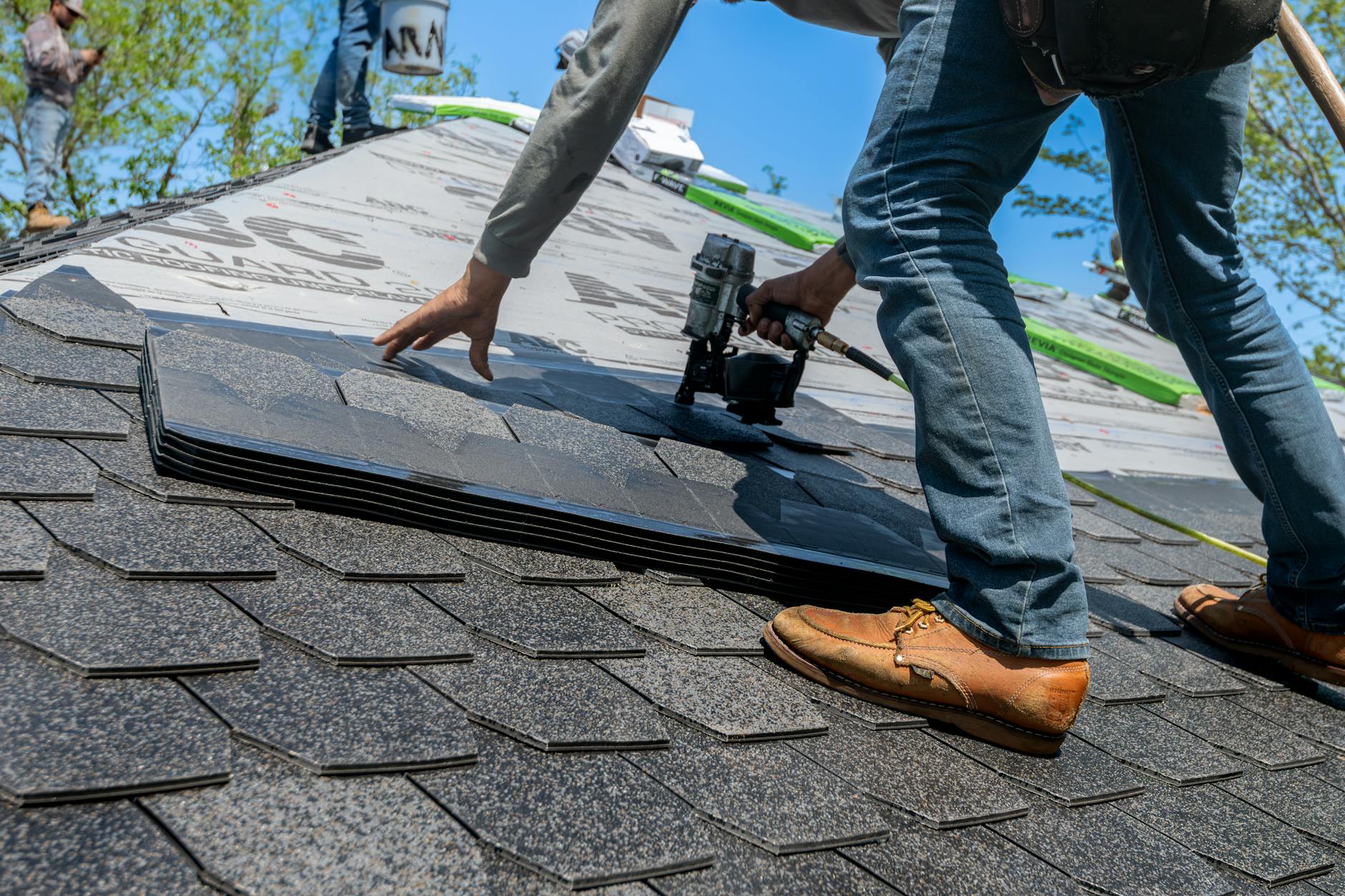
Roof Replacement Cost in Queen Creek, AZ (2026 Guide)
Roof replacement cost in Queen Creek, AZ typically runs between $8,000 and $22,000 for most single-family homes, depending on materials, roof size, and the complexity of the job. Asphalt shingles sit at the lower end of that range, while concrete tile and metal roofing push costs higher. Queen Creek's extreme UV exposure, summer monsoon season, and rapid growth have created a competitive local roofing market that can work in your favor if you know what to ask. This guide gives you honest numbers, explains what drives the price up or down, and helps you figure out whether you actually need a full replacement or just a repair.
What Does Roof Replacement Actually Cost in Queen Creek?
What is the average roof replacement cost in Queen Creek, AZ?
Most Queen Creek homeowners pay between $8,500 and $18,000 for a standard asphalt shingle replacement on a 1,800 to 2,400 square foot home. Tile roofs on the same footprint typically land between $14,000 and $28,000. Metal roofing can push past $30,000 for standing seam systems.
These figures reflect 2025-2026 pricing in the East Valley and account for materials, labor, permit fees through the Town of Queen Creek's building department, and basic decking repairs. Queen Creek sits at a higher price point than some Phoenix zip codes because of longer drive times for crews and a booming housing market that keeps contractor capacity tight. A 2,000 square foot roof breaks down roughly like this:
| Material | Low Estimate | High Estimate | |---|---|---| | 3-tab asphalt shingles | $7,500 | $10,000 | | Architectural shingles | $10,000 | $15,000 | | Concrete tile | $14,000 | $22,000 | | Clay tile | $18,000 | $28,000 | | Standing seam metal | $22,000 | $35,000 |
Labor typically represents 40 to 60 percent of the total project cost. Always confirm your quote breaks out materials and labor separately.
What Roofing Materials Work Best in Queen Creek?
Which roofing material holds up best in Queen Creek's climate?
Concrete and clay tile are the dominant choices in Queen Creek for good reason: they handle the desert UV index of 11+ and monsoon season better than asphalt alone. Architectural shingles rated for high-wind and algae resistance are a solid budget-conscious alternative. Bare 3-tab shingles are not recommended for this climate.
Queen Creek homeowners face a specific combination of stressors that most of the country does not. NOAA climate data for Arizona shows average summer highs above 108°F in the East Valley. That thermal cycling degrades asphalt binders faster than manufacturers' standard ratings assume, which is why the National Roofing Contractors Association recommends choosing products specifically rated for ASTM D3462 or higher in desert climates.
Asphalt Shingles
Standard three-tab asphalt shingles last 15 to 20 years nationally. In Queen Creek, expect the lower end of that range unless you choose an architectural or impact-resistant product with a Class 4 hail rating. Look for shingles with a solar-reflective coating to reduce attic temperatures and lower cooling bills. Manufacturer documentation from GAF's product library and Owens Corning both show significant performance differences between their standard and premium desert-rated lines.
Concrete and Clay Tile
Tile roofing accounts for the majority of Queen Creek's existing housing stock. A properly installed concrete tile roof lasts 30 to 50 years in this climate, making the higher upfront cost easier to justify. Clay tile performs similarly but costs more to purchase and requires more care during installation. Most tile failures in the East Valley stem from cracked individual tiles or failing underlayment, not the tile itself, which is why a tile repair rather than a full replacement is often the right call.
Metal Roofing
Standing seam metal is growing in popularity in newer Queen Creek developments. It reflects radiant heat effectively, carries wind ratings above the 110 mph requirement for this wind zone, and can last 40 to 70 years. The drawback is cost. Unless you plan to stay in the home long-term or your current roof is severely deteriorated, the payback period may not pencil out.
What Drives the Price Up or Down?
What factors most affect roof replacement quotes in Queen Creek?
Roof pitch, total square footage, decking condition, and the number of penetrations (vents, skylights, chimneys) are the four biggest cost variables. A steep-pitch roof with multiple skylights costs significantly more to replace than a low-slope roof of the same size.
Here is a breakdown of the most common cost variables:
Roof Size and Pitch
Roofing is priced per square, where one square equals 100 square feet of roof surface. A 2,000 square foot home does not have a 2,000 square foot roof. A moderately pitched roof adds 30 to 40 percent more surface area than the home's footprint. Steep pitches above 8:12 require additional safety equipment and slow crew production, often adding $1,000 to $3,000 to a job.
Decking Condition
Once old material is stripped, your contractor will inspect the plywood or OSB decking beneath. Rotted or damaged decking must be replaced before new material goes down. In Queen Creek, decking damage is often found near valleys, penetrations, and the edges of low-slope sections. Budget $75 to $125 per sheet of replacement decking.
Permit and Inspection Fees
The Town of Queen Creek requires a permit for roof replacement. Permit fees are typically $150 to $350 depending on project value. Never hire a contractor who suggests skipping the permit process. Unpermitted work can void manufacturer warranties, create issues at resale, and leave you liable if something goes wrong.
Time of Year
Scheduling your replacement before or after monsoon season (June 15 through September 30) can affect both safety and pricing. Many contractors offer modest discounts for work booked in late winter or early spring when demand is lower. Avoid starting a full tear-off in late June when afternoon thunderstorms can arrive with almost no warning.
Do You Actually Need a Full Replacement?
How do you know if you need a full roof replacement or just a repair?
If fewer than 25 to 30 percent of your roof surface shows damage, a targeted repair is usually the smarter and cheaper choice. A second layer of shingles over an existing layer is sometimes allowed by code but not always the best long-term solution. Get an honest assessment, not just a sales pitch for a full replacement.
This is worth saying plainly: not every Queen Creek homeowner who gets a roofing quote actually needs a new roof. Common situations where a repair makes more sense than a replacement include:
- Isolated cracked or slipped tile on a tile roof that is otherwise sound
- A few missing shingles after a monsoon wind event
- Minor flashing failures around a chimney or skyline vent
- Small leak at a pipe boot that can be resealed
A roof that is fewer than 15 years old and has not suffered major storm damage should rarely need full replacement. If a contractor immediately recommends a full tear-off without a thorough written inspection report, get a second opinion.
The Remodeling Magazine Cost vs. Value Report shows that roofing replacement typically recoups 60 to 70 percent of its cost at resale in the Phoenix metro market. That is a meaningful number, but it also means a repair that costs $800 instead of a $15,000 replacement has a very strong argument in its favor if the roof is otherwise functional.
See our related guide on when to repair vs. replace your roof for a more detailed checklist.
How to Get an Accurate Quote in Queen Creek
What should a legitimate roofing quote include?
A trustworthy roofing quote in Queen Creek should be a written document that lists materials by manufacturer and product name, labor costs, permit fees, decking allowances, and the contractor's license and insurance information. Vague one-page estimates with a single total number are a red flag.
Here is what to ask for before signing anything:
- Arizona Registrar of Contractors license number (verify it at the Arizona ROC license lookup)
- Proof of general liability insurance and workers' compensation coverage
- Written manufacturer warranty documentation for the materials being installed
- A clear statement of who pulls the permit
- A payment schedule tied to project milestones, not a large upfront lump sum
Getting three quotes is the standard advice, and it holds up. In the East Valley market, quote variation of 20 to 30 percent on the same scope of work is common. The lowest bid is not always the worst choice, but it warrants more questions about what might be cut from the scope.
For guidance on vetting contractors before you hire, see how to choose a roofing contractor in Arizona.
What About Insurance Claims in Queen Creek?
Can a homeowner insurance claim cover roof replacement costs in Queen Creek?
Hail and wind damage from monsoon storms are the most common covered perils for Arizona homeowners. Age-related wear is almost never covered. If your roof was damaged during a documented storm event, file a claim promptly and document the damage with photos before any repairs are made.
Queen Creek sits in a hail corridor that sees several significant storm events per year between April and September. After a major hail event, you will see a surge of out-of-state storm chasers offering free inspections. Many use high-pressure tactics to encourage homeowners to file claims for damage that does not warrant it.
A few important points about insurance and roofing in Arizona:
- Arizona law requires your contractor to provide you a written estimate before you authorize any work, and prohibits them from filing a claim on your behalf without your written consent
- Some policies now use Actual Cash Value (ACV) instead of Replacement Cost Value (RCV) for roofs older than 10 years, which means you receive a depreciated payout, not full replacement cost
- The Arizona Department of Insurance and Financial Institutions maintains a consumer resource page that explains your rights during the claims process
If you are unsure whether your damage justifies a claim, a paid inspection from an independent roofing consultant (not a contractor who profits from filing) is money well spent.
What Queen Creek-Specific Conditions Affect Roof Longevity?
Does Queen Creek's climate shorten roof lifespan compared to national averages?
Yes. The combination of sustained UV exposure at an index of 11 or higher, extreme thermal cycling between day and night temperatures, and monsoon wind and rain accelerates material degradation compared to national averages. Asphalt shingles rated for 30 years often perform closer to 15 to 20 years in this environment.
Queen Creek's elevation (around 1,400 feet) gives it slightly cooler temperatures than central Phoenix, but the UV load and monsoon exposure are nearly identical. The National Roofing Contractors Association notes that UV radiation is the primary cause of asphalt shingle degradation in hot-dry climates, ahead of hail and wind in terms of cumulative damage.
Practical steps Queen Creek homeowners can take to extend roof life:
- Install adequate attic ventilation (most East Valley tract homes are under-ventilated)
- Trim any overhanging tree branches before monsoon season
- Clear debris from valleys and gutters twice a year
- Schedule a professional inspection every two to three years, especially after major storm events
For a full seasonal maintenance checklist, see Arizona roof maintenance tips for homeowners.
FAQ
How long does a roof replacement take in Queen Creek?
Most standard residential roof replacements in Queen Creek take one to three days for a crew of four to six workers. Larger homes, complex rooflines, or tile roofs requiring careful installation can extend the timeline to four or five days. Weather delays during monsoon season can push projects out further, which is why scheduling matters.
Is a permit required for roof replacement in Queen Creek, AZ?
Yes. The Town of Queen Creek requires a building permit for full roof replacement. Your contractor should pull this permit before work begins. If they suggest skipping the permit to save money, walk away. The permit protects you legally and ensures an inspector verifies the work before it is covered.
Can I put new shingles over my existing roof in Queen Creek?
Arizona building code generally allows one overlay of new shingles over an existing single layer in some circumstances, but this is rarely the best choice. An overlay traps heat, adds weight to your structure, and prevents inspection of the decking below. Most reputable contractors in the East Valley recommend a full tear-off.
How do I know if my Queen Creek roof needs replacement versus repair?
A roof that is under 15 years old, has isolated damage rather than widespread granule loss, and has no widespread underlayment failure is usually a repair candidate. Signs that point toward full replacement include widespread cracking or cupping of shingles, visible daylight in the attic, sagging deck boards, and multiple leak points across the roof surface.
What is the best time of year to replace a roof in Queen Creek?
October through March is the most practical window. Temperatures are cooler for crews, there is no monsoon risk, and many contractors offer better scheduling availability. Spring (March to May) is also acceptable but books up quickly as homeowners prepare before summer heat. Avoid scheduling during June 15 through September 30 if possible.
Does a new roof increase home value in Queen Creek?
A new roof adds measurable value, particularly in Queen Creek's competitive resale market where buyers often request roof inspection contingencies. The Remodeling Magazine Cost vs. Value Report estimates Phoenix-area homeowners recoup approximately 60 to 70 percent of roofing costs at resale. A new roof also strengthens your negotiating position and can prevent a deal from falling through during inspection.
*Looking for contractor recommendations or repair cost estimates for your specific situation? See our East Valley roofing services overview for additional resources.*
*Related reading on RoofInstall.net:*
- Roof Replacement Cost in Tucson, AZ: 2026 Pricing Guide
- Roof Replacement Cost in Surprise, AZ (2026 Guide)
Know your number before you call a roofer.
Free Roof Cost Estimate