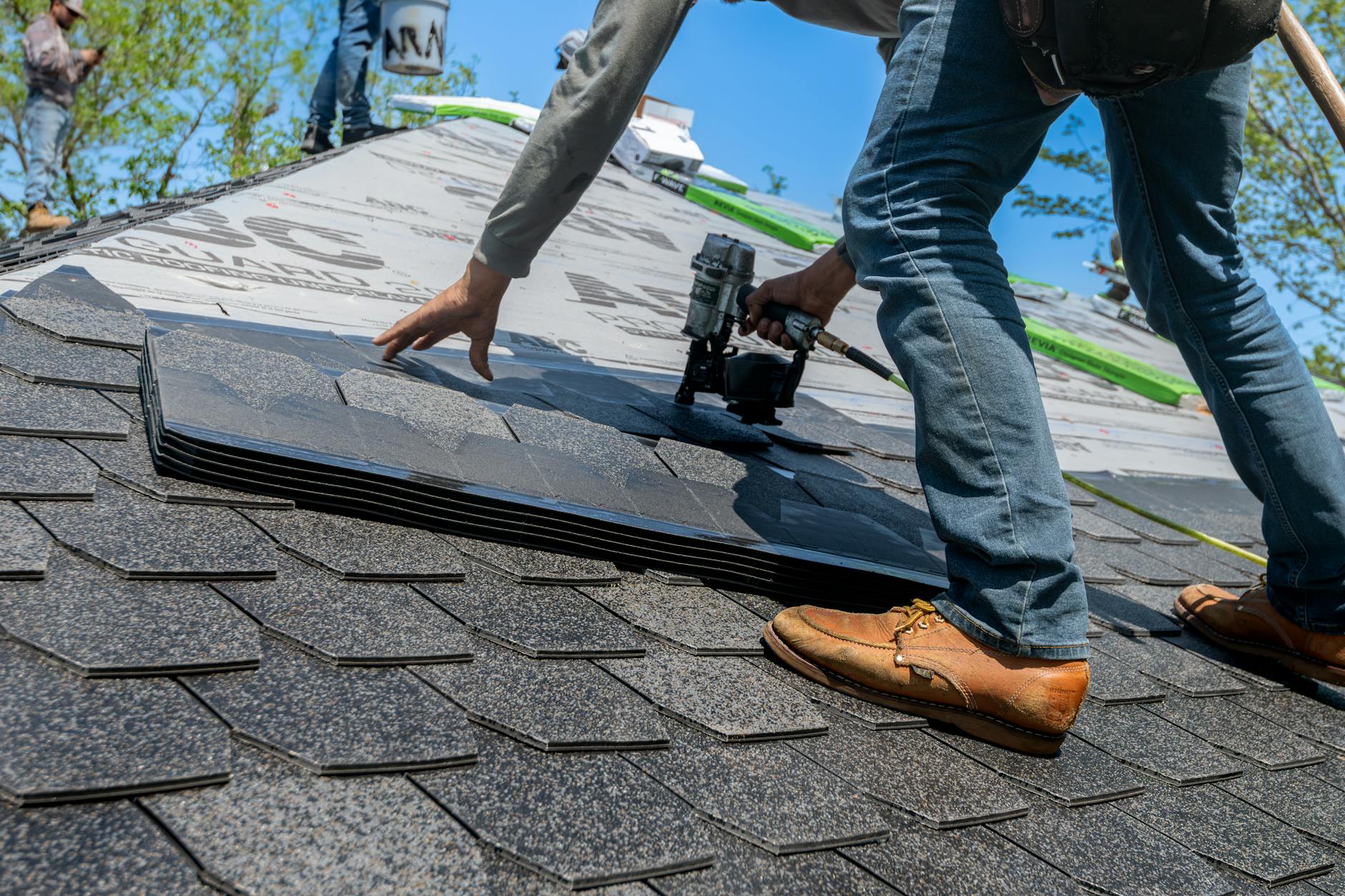
Roof Replacement Cost San Tan Valley AZ: 2026 Homeowner Guide
The roof replacement cost in San Tan Valley AZ typically runs between $8,500 and $22,000 for a standard single-family home, depending on material, roof size, and pitch. Asphalt shingles sit at the lower end while concrete or clay tile push costs toward the top of that range. Arizona's intense UV exposure, monsoon season, and extreme heat cycles mean local conditions matter more here than national averages suggest. This guide breaks down real numbers by material type and helps you figure out whether you actually need a full replacement or just targeted repairs.
How Much Does Roof Replacement Cost in San Tan Valley?
What is the typical price range for replacing a roof in San Tan Valley, AZ?
Most San Tan Valley homeowners pay between $8,500 and $22,000 for a complete roof replacement, with the average landing around $12,000 to $14,000 for a 2,000 sq ft home using architectural shingles. Tile roofs run higher, often $16,000 to $25,000 or more depending on profile and underlayment requirements.
San Tan Valley sits in the southeastern Phoenix metro, and its newer master-planned communities mean a lot of homes were built between 2000 and 2015 with builder-grade shingles that are now reaching or exceeding their useful life. According to the National Roofing Contractors Association, asphalt shingles in high-UV climates like the Sonoran Desert typically perform for 15 to 20 years before replacement becomes necessary, well short of the 25 to 30 year ratings you see on northern-climate warranties.
Here is a general cost breakdown by material for a 2,000 sq ft roof (roughly 20-22 squares after waste factor):
| Material | Low Estimate | High Estimate | Typical Lifespan in AZ | |---|---|---|---| | 3-Tab Asphalt Shingle | $7,500 | $10,500 | 12-15 years | | Architectural Shingle | $9,500 | $14,000 | 15-20 years | | Concrete Tile | $14,000 | $20,000 | 30-50 years | | Clay Tile | $18,000 | $28,000 | 40-50+ years | | TPO / Flat Roof (per sq ft) | $5.50 | $8.50 | 15-25 years | | Metal Standing Seam | $19,000 | $32,000 | 40-70 years |
Prices above include tear-off of one existing layer, new underlayment, code-required flashing, and standard disposal. Homes with existing tile or two layers of shingles requiring full tear-off may add $1,500 to $3,500 to the total.
What Drives Roof Replacement Costs Up or Down in San Tan Valley?
What factors most affect the final price of a roof replacement in the East Valley?
Roof size, material choice, pitch steepness, and the condition of the existing deck are the four biggest cost drivers. In San Tan Valley specifically, underlayment selection also plays an outsized role because of UV and heat exposure at the roof deck level.
Roof Size and Pitch
Roofing is priced per roofing square (100 sq ft). A home with 2,200 sq ft of living space may have 24 to 28 roofing squares once pitch factor and waste are calculated. Steeper pitches (7:12 and above) require safety equipment and slow production time, typically adding $0.75 to $1.50 per square foot to labor costs.
Material and Underlayment
In Arizona, standard 15-lb felt underlayment is rarely sufficient. Most reputable contractors here specify synthetic underlayment or code-compliant self-adhering ice-and-water shield on low slopes. Arizona's statewide adopted building code references IRC standards, but Pinal County and the Town of Queen Creek (which governs much of the San Tan Valley area) may have local amendments requiring specific underlayment products on roofs below a 4:12 pitch.
Deck Condition
Homes built during the mid-2000s housing boom in San Tan Valley often used 7/16" OSB decking. After 15+ years of heat cycling and monsoon moisture intrusion, partial deck replacement is common during re-roofing projects. Budget $70 to $110 per sheet for deck board replacement if your contractor identifies soft or delaminated areas.
Contractor Demand and Timing
Post-monsoon season (October through December) is peak demand for roofing contractors in the East Valley. Scheduling your replacement in late January through April can sometimes yield 5 to 10 percent better pricing as contractor schedules loosen.
Does Arizona's Climate Make Roof Replacement More Expensive?
Does living in the Phoenix metro area cost more for roofing compared to national averages?
Yes, but not dramatically. Arizona's climate increases material requirements (better underlayment, cool-roof rated products) and shortens shingle lifespan, which means you replace sooner. Labor costs are competitive regionally, but material premiums for heat-rated products add real dollars.
The NOAA Climate Data Online records for the Queen Creek / San Tan Valley area show average summer highs regularly exceeding 108°F. Roof deck temperatures on a dark shingle roof can reach 150 to 170°F under full sun exposure. This thermal stress degrades asphalt binder in shingles significantly faster than manufacturers' test conditions, which are typically conducted at moderate climates.
Arizona also sits in a UV Index 11+ zone for most of the summer. According to the EPA's UV Index scale, UV Index 11 is classified as "Extreme," and prolonged exposure at this level accelerates granule loss on asphalt shingles. Granule loss reduces reflectivity and exposes the asphalt mat to direct UV degradation, shortening the functional roof life regardless of warranty language.
For flat-roof additions (covered patios, casitas, or extensions common in newer San Tan Valley builds), TPO and modified bitumen are the standard choices. Heat-welded TPO seams perform better long-term in Arizona than adhesive-set systems, a detail worth confirming with your contractor before signing.
See our East Valley flat roof repair guide for more detail on flat and low-slope roofing options.
Do You Actually Need a Full Roof Replacement?
How do you know if you need a full replacement versus repairs in San Tan Valley?
Many homeowners in San Tan Valley do not need a full replacement when they get one. Isolated leaks, a handful of cracked tiles, or minor granule loss in one area are repair situations, not replacement situations. A full replacement is warranted when damage is widespread, the roof is past its functional age, or the structural integrity of the deck is compromised.
Here are situations where repairs are likely sufficient:
- A single field of shingles is lifting or a few tabs are missing after a haboob or windstorm
- One or two cracked or slipped concrete tiles with intact underlayment beneath
- A flashing failure at a pipe boot, skylight, or chimney where surrounding material is sound
- Minor granule accumulation in gutters on a roof that is 10 years old or younger
Here are situations where replacement is the right call:
- Asphalt shingles that are 18 or more years old with widespread granule loss or visible cracking across multiple roof planes
- Active leaks in multiple locations following a monsoon event
- Soft or spongy decking discovered during an inspection
- A tile roof where 20 percent or more of tiles are cracked, slipped, or broken and the underlayment is original
- Insurance-required replacement after a hail or wind event
The NRCA recommends that homeowners get at least two in-person estimates before committing to a full replacement, particularly when the recommendation comes from a door-to-door solicitor following a storm.
See our roof repair vs replacement decision guide for a structured checklist you can use before calling contractors.
What Is the Cost Breakdown for a Tile Roof Replacement in San Tan Valley?
How much does it cost specifically to replace a concrete or clay tile roof in San Tan Valley?
Concrete tile replacement in San Tan Valley runs $14,000 to $20,000 for a typical 2,000 sq ft home footprint. Clay tile is pricier, often $18,000 to $28,000. The biggest cost variable is whether the existing tiles can be salvaged and reset or must be fully replaced.
Many San Tan Valley homes built between 2000 and 2012 have concrete tile roofs where the tiles themselves are still in good condition but the underlayment beneath has failed. This is a documented failure pattern in Arizona, where intense UV exposure degrades felt underlayment within 10 to 15 years even when it is protected by tile above. In these cases, a tile reset (remove tiles, replace underlayment, reset tiles) may cost $8,000 to $13,000 and extend roof life by 20 or more years without purchasing new tile.
If new tile is required, concrete tile is the dominant product in the market and is domestically produced. Manufacturers like Boral offer products specifically rated for Arizona exposure conditions, including Class 4 impact resistance and high solar reflectance ratings that can contribute to energy savings under ENERGY STAR certification criteria.
A full tile replacement project cost breakdown typically looks like this:
- Tile removal and disposal: $1,200 to $2,500
- New synthetic underlayment or two-layer system: $1,800 to $3,200
- New concrete tile material (20-22 squares): $5,500 to $9,000
- Labor to install: $4,000 to $6,500
- Flashing, ridge caps, and hip details: $800 to $1,500
Get our San Tan Valley contractor vetting checklist before signing any tile replacement contract.
How Do You Get an Accurate Estimate in San Tan Valley?
What should a roofing estimate include for a San Tan Valley homeowner?
A trustworthy estimate includes a line-by-line material list, the specific underlayment product being installed, the proposed warranty (both manufacturer and workmanship), and a clear statement of what is and is not included in the base price.
When requesting estimates in San Tan Valley, confirm the following with each contractor:
- License verification. Arizona requires roofing contractors to hold an ROC (Registrar of Contractors) license. Verify at the Arizona ROC license lookup before any work begins.
- Permit pull. A full replacement in Pinal County or Queen Creek generally requires a permit. Any contractor who suggests skipping the permit to save money is creating liability for you as the homeowner.
- Written scope. The estimate should specify the shingle brand and product line, the underlayment type and manufacturer, the ice-and-water shield coverage (if applicable), and the flashing material.
- Payment terms. A deposit of 20 to 30 percent is standard. Never pay more than 50 percent upfront, and avoid contractors who require full payment before work begins.
- Workmanship warranty. Reputable Arizona contractors offer 5 to 10 year workmanship warranties. Manufacturer warranties on shingles typically range from 25 to 50 years but are prorated after the first 10 to 15 years in most cases.
The Remodeling Magazine Cost vs. Value Report tracks roofing project returns nationally and in the Phoenix metro. Midrange asphalt shingle replacement returns roughly 55 to 65 cents on the dollar at resale in the Phoenix area, making it a mid-tier home improvement investment rather than a top-tier one. That said, a failing roof actively destroys home value and can complicate or kill a sale entirely.
What About Insurance Coverage for Roof Replacement in San Tan Valley?
Will homeowners insurance pay for a roof replacement in San Tan Valley, AZ?
It depends on the cause and your policy terms. Arizona policies have become more restrictive on roof coverage in recent years. Damage from monsoon wind and hail may be covered, but age-related deterioration almost never is.
Arizona homeowners have seen significant changes to roof coverage language from major carriers in the last several years, with many insurers moving to actual cash value (ACV) rather than replacement cost value (RCV) for roofs over 10 years old. ACV policies deduct depreciation, which can leave you with a check that covers only 30 to 50 percent of the actual replacement cost on a 15-year-old roof.
Before filing a claim, consider:
- Documenting the damage with dated photos immediately after a storm event
- Confirming whether your policy is ACV or RCV for roofing
- Understanding that filing a claim that is denied or underpaid can still affect your premium at renewal
Arizona monsoon season runs June 15 through September 30. Straight-line wind events and haboobs during this window can cause legitimate insurance-covered wind damage. Hail is less common in the far East Valley than in the north Phoenix metro, but it does occur during late-season monsoon cells.
See our Arizona monsoon roof damage guide for documentation tips and claim guidance.
FAQ
Q: How long does a roof replacement take in San Tan Valley?
Most single-family residential roof replacements in San Tan Valley take one to two days for asphalt shingle installation. Tile roofs take three to five days depending on crew size and roof complexity. Permit inspection scheduling can add a day or two to the overall project timeline in Pinal County.
Q: What is the cheapest roofing option for a San Tan Valley home?
3-tab asphalt shingles carry the lowest upfront cost, but they perform poorly in Arizona's UV and heat environment and typically need replacement within 12 to 15 years. Architectural (dimensional) shingles cost roughly 15 to 20 percent more upfront but last meaningfully longer and are a better value for most East Valley homeowners.
Q: Can I roof over my existing shingles instead of doing a full tear-off?
Arizona residential building code allows up to two layers of roofing material in most jurisdictions. Roofing over an existing layer saves $800 to $1,500 in tear-off costs but prevents inspection of the deck for damage and adds weight. Most roofing professionals in Arizona do not recommend it, particularly on homes that are already on their first re-roof, as it limits future options.
Q: How do I verify a roofing contractor is licensed in Arizona?
Use the Arizona Registrar of Contractors license lookup at roc.az.gov. Search by company name or license number. Confirm the license is active, not suspended, and covers the correct classification (CR-35 for residential roofing). Also verify the contractor carries both general liability insurance and workers' compensation coverage.
Q: Do I need a permit for a roof replacement in San Tan Valley?
Yes, in most cases. Homes within incorporated areas such as Queen Creek require a roofing permit for a full replacement. Unincorporated Pinal County areas may have slightly different requirements. Always confirm with the applicable jurisdiction before work begins and ensure your contractor pulls the permit in their name, not yours.
**Q: Will a new roof lower
Know your number before you call a roofer.
Free Roof Cost Estimate