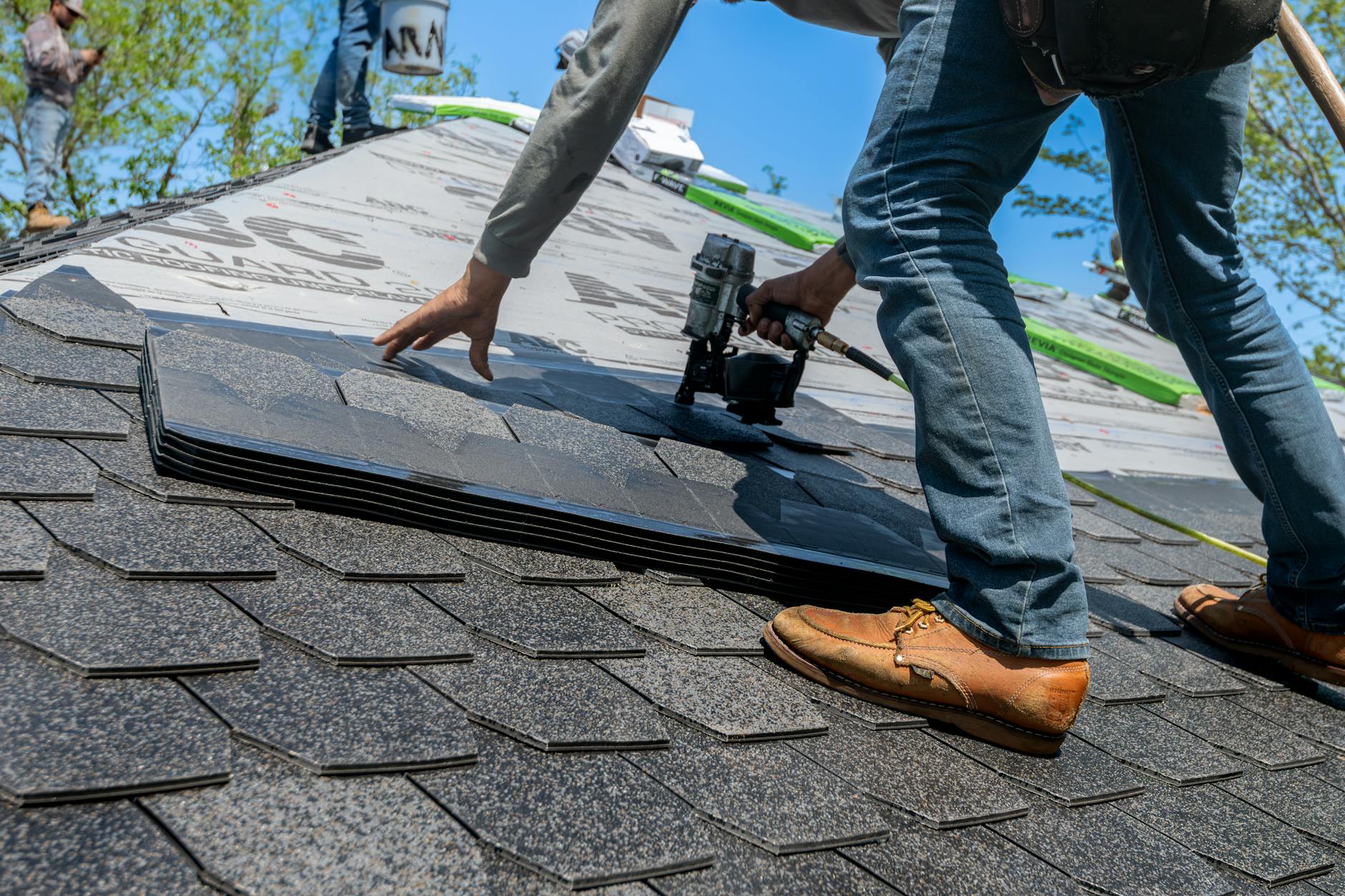
Roof Replacement Cost in Tucson, AZ: 2026 Pricing Guide
Roof replacement cost in Tucson, AZ typically falls between $8,500 and $22,000 for an average single-family home, depending on material, square footage, and roof complexity. Tile roofs sit at the higher end of that range but outlast asphalt shingles by decades in the Sonoran Desert climate. Not every aging roof actually needs a full replacement, a repair or recoat may be the smarter spend. This guide breaks down real cost drivers so you can evaluate quotes with confidence.
What Is the Average Roof Replacement Cost in Tucson, AZ?
What should a Tucson homeowner expect to pay for a full roof replacement in 2026?
Most Tucson homeowners pay between $9,000 and $18,500 for a full roof replacement on a 1,500–2,500 sq ft home. The midpoint lands around $12,000–$14,000 for a standard tile re-roof, which is the dominant roofing system in southern Arizona.
Those numbers reflect installed cost, materials plus labor, tear-off, disposal, and basic flashing work. They do not include structural deck repairs, which can add $1,500–$4,500 if the OSB or plywood sheathing has rot or moisture damage from monsoon intrusion.
Tucson sits at a UV index that regularly reaches 11 or higher according to EPA UV Index data, which accelerates roofing material degradation faster than most U.S. cities. That alone makes material choice a bigger financial decision here than in cooler climates.
| Material | Low Estimate | High Estimate | Expected Lifespan (Tucson) | |---|---|---|---| | 3-Tab Asphalt Shingle | $7,500 | $11,000 | 12–17 years | | Architectural Shingle | $9,500 | $14,500 | 15–20 years | | Concrete Tile | $12,000 | $20,000 | 30–50 years | | Clay Tile | $16,000 | $28,000 | 40–50+ years | | TPO / Modified Bitumen (flat) | $5,500 | $11,000 | 15–25 years | | Metal Standing Seam | $18,000 | $32,000 | 40–60 years |
*Estimates based on 1,800 sq ft roof surface. Prices will scale with actual square footage and pitch complexity.*
What Factors Drive Roof Replacement Costs in Tucson?
Why do two similar Tucson homes sometimes get quotes that differ by $5,000 or more?
Several variables compound one another, and understanding them helps you evaluate whether a quote is fair or inflated. The five biggest cost drivers in the Tucson market are roof size, pitch, material choice, tear-off layers, and the condition of the existing deck.
How Does Roof Size Affect the Price?
Roofing contractors price work by the "square", 100 square feet of roof surface, so actual square footage is the single largest cost variable.
A 1,200 sq ft home footprint with a moderately pitched roof may have 1,500–1,700 sq ft of actual roof surface. Add dormers, a complex hip design, or multiple roof planes and that number climbs. Always ask your contractor for the measured square count before signing anything.
Does Roof Pitch Change the Labor Cost?
Yes. Steeper pitches require more safety equipment, slower installation, and higher labor rates, typically adding $0.75–$2.00 per square foot to the total.
A standard 4:12 pitch is considered walkable and priced accordingly. Tucson's mix of mid-century flat roofs and Spanish-style pitched roofs means pitch-based pricing swings are common. Flat or low-slope roofs (under 2:12) use different membrane systems entirely, which affects both material cost and installer specialization.
How Many Tear-Off Layers Are There?
Each existing layer of roofing material that must be removed adds roughly $500–$1,200 to the total job cost, depending on roof size and material weight.
Arizona's residential building code generally limits roofs to two layers of shingles before a full tear-off is required. Tile roofs are almost always a single-layer tear-off due to weight. Disposal fees in Pima County for roofing debris typically run $300–$700 and should be itemized in your quote.
Tile vs. Shingles in Tucson: Which Is the Better Investment?
Is it worth spending more on tile when asphalt shingles are cheaper upfront?
For most Tucson homeowners, tile wins on long-term value. Concrete or clay tile lasts 30–50 years in the desert, while asphalt shingles in southern Arizona typically hit end-of-life in 15–20 years due to UV and thermal cycling, meaning you may replace shingles twice before a tile roof needs attention.
The National Roofing Contractors Association recommends considering full lifecycle cost rather than upfront price alone when selecting roofing materials for high-UV climates. On a per-year-of-service basis, tile often beats shingles even at twice the installed price.
That said, not every home structurally supports the added weight of concrete or clay tile (8–12 lbs per sq ft versus 2–4 lbs for shingles). A structural assessment may be needed before switching material types, particularly on older wood-frame homes.
See our deeper breakdown at /blog/tile-vs-shingles-arizona/ if you are actively choosing between the two.
How Does Tucson's Monsoon Season Affect Roofing Costs and Timing?
Does the monsoon season change when you should schedule a roof replacement or what it will cost?
Monsoon season in Arizona runs June 15 through September 30, and it creates two practical problems: active moisture intrusion on an exposed deck between tear-off and installation, and contractor scheduling backlogs that can push prices up 8–15% during peak repair demand.
The best time to schedule a Tucson roof replacement is October through February. Temperatures are manageable for crews, demand is lower, and the risk of an exposed deck getting rained on mid-project is near zero.
NOAA's Tucson precipitation data shows that July and August regularly bring 1–3 inch storm events in short windows, which is exactly the scenario that causes water infiltration on a partially stripped roof. If your replacement cannot wait until fall, ask your contractor specifically about their mid-project moisture protection protocol.
Do You Actually Need a Full Roof Replacement, or Just a Repair?
How do you know if replacement is truly necessary, or if a repair will solve the problem?
Many Tucson homeowners are quoted full replacements when targeted repairs would resolve the issue for a fraction of the cost. Here are situations where repair is typically the right call:
- Isolated tile cracking or slippage from wind or impact, individual tiles can be replaced for $150–$600 depending on tile availability and access.
- Flashing failures around chimneys, vents, or skylights, resealing or replacing flashing runs $200–$800 and stops most common leak points.
- Flat roof blistering or small punctures, a TPO patch or recoat can extend life 5–10 years for $1,500–$4,000.
- Granule loss on shingles without underlying deck damage, if the shingles still have structural integrity, you may have 3–5 years left.
Full replacement makes sense when: the deck itself is compromised, more than 30% of the roof surface is damaged, the roof is past its material lifespan, or the structure cannot support another repair cycle.
An honest inspector will give you a written condition assessment. Be cautious of any contractor who refuses to walk the roof with you or cannot explain specifically why replacement is needed rather than repair.
For guidance on evaluating a contractor's recommendation, visit /blog/how-to-evaluate-roof-inspection-report/.
How Much Do Tucson Roofing Contractors Charge for Labor?
What portion of a roof replacement quote is labor, and is Tucson labor priced higher or lower than other markets?
Labor typically represents 40–60% of a total roof replacement quote in Tucson. On a $14,000 tile re-roof, expect $5,500–$8,000 of that to be crew labor, equipment, and contractor overhead.
Tucson labor rates are generally 10–18% lower than Phoenix metro due to lower cost of living, but that gap has narrowed since 2022 as material and fuel costs increased across all Arizona markets. The Remodeling Magazine 2025 Cost vs. Value Report places the national average for a mid-range asphalt shingle replacement at $24,000+, which reflects higher-cost coastal markets, Tucson runs well below that figure.
Be cautious of quotes that seem extremely low. Unlicensed or underinsured contractors who low-ball bids often cut corners on underlayment, ice-and-water shield application, and flashing work that the Arizona Registrar of Contractors requires to be completed to code.
What Permits and Inspections Are Required for Roof Replacement in Tucson?
Does a Tucson homeowner need a permit for a full roof replacement, and what does that process look like?
Yes. The City of Tucson Development Services requires a building permit for full roof replacements. Permits typically cost $150–$350 depending on project valuation and are the contractor's responsibility to pull, not the homeowner's, though the homeowner is ultimately liable if work is done without one.
The permit process involves a mid-project inspection of the exposed deck and underlayment, and a final inspection after installation is complete. Projects done without permits can cause problems when you sell the home, file an insurance claim, or need warranty service from a manufacturer.
Always ask your contractor to provide the permit number before work begins. If they cannot or will not, that is a serious warning sign.
How Do You Get an Accurate Roof Replacement Quote in Tucson?
What is the right process for getting a fair, comparable quote from Tucson roofing contractors?
Get at least three written quotes, and make sure each quote specifies the same scope: material brand and grade, number of tear-off layers, underlayment type, flashing work included, warranty terms, and permit responsibility. Without consistent scope, you are comparing apples to oranges.
Questions to ask every contractor:
- Are you licensed with the Arizona Registrar of Contractors? (Verify at roc.az.gov)
- What is the manufacturer warranty on the material, and do you offer a separate workmanship warranty?
- Who will be on-site daily, your employees or a subcontracted crew?
- How do you protect the exposed deck if weather moves in during the project?
- What is the payment schedule, and do you require a deposit over 10%?
Our /services/roof-replacement/ page has a free quote checklist you can print and bring to contractor meetings.
Does Homeowners Insurance Cover Roof Replacement in Tucson?
When will insurance pay for a Tucson roof replacement, and when will they deny the claim?
Arizona homeowners insurance typically covers roof replacement when damage is caused by a named peril: hail, wind, fire, or falling objects. Monsoon-season wind and hail events do generate legitimate claims in Tucson, and many homeowners do not realize they have covered damage until a contractor or adjuster walks the roof after a storm.
Insurance will generally not cover replacement due to age, normal wear and UV degradation, or poor original installation. That is maintenance-related deterioration, which falls on the homeowner.
If you believe you have storm damage, document it with dated photos, contact your insurer before authorizing any work, and be wary of roofing contractors who approach you unsolicited after storms and offer to "work with your insurance", that practice is regulated under Arizona's anti-solicitation laws for post-disaster contractors.
For more detail on navigating an insurance claim, see /blog/roof-insurance-claim-arizona/.
FAQ
How long does a roof replacement take in Tucson? Most residential roof replacements in Tucson take one to three days for standard shingle work. Tile re-roofs on larger homes typically run three to five days. Permit processing adds one to five business days before work can begin if permits are not pre-pulled.
What is the cheapest roofing option in Tucson? Three-tab asphalt shingles carry the lowest upfront cost, typically $7,500–$11,000 installed. However, their 12–17 year lifespan in Tucson's high-UV environment makes them a poor long-term value compared to architectural shingles or tile. If budget is the binding constraint, architectural shingles at $9,500–$14,500 offer a better lifespan-to-cost ratio.
Can I replace my own roof in Tucson to save money? Technically, homeowners can pull their own permit for DIY roof work in Tucson. In practice, tile installation requires specialized equipment and skill, flat roof membrane work demands precision seaming, and any installation defect voids manufacturer warranties. Most homeowners who attempt DIY roof replacement end up paying a contractor more to fix the mistakes than they would have paid for professional installation from the start.
How do I know if a Tucson roofing contractor is legitimate? Check their license status at roc.az.gov, verify they carry general liability and workers' compensation insurance, and look for a physical Tucson or southern Arizona business address. National storm-chasing companies that appear after monsoon events are not always licensed in Arizona and may not honor warranties once they leave the market.
Will a new roof increase my home's value in Tucson? Yes, though the return varies by material. The Remodeling Magazine Cost vs. Value report consistently shows asphalt shingle replacement recouping 55–65% of project cost in resale value nationally. In Arizona, where buyers are sensitive to roof condition disclosures, a new roof also reduces time on market and reduces buyer negotiating leverage on price.
Is it normal for Tucson roofing quotes to vary by $5,000 or more? Yes, and it does not always mean the higher quote is gouging or the lower one is a bargain. Differences usually trace to material grade, underlayment spec, what is included in flashing work, crew employment status, and warranty terms. Make sure every quote itemizes the same scope before you make a price comparison.
Know your number before you call a roofer.
Free Roof Cost Estimate