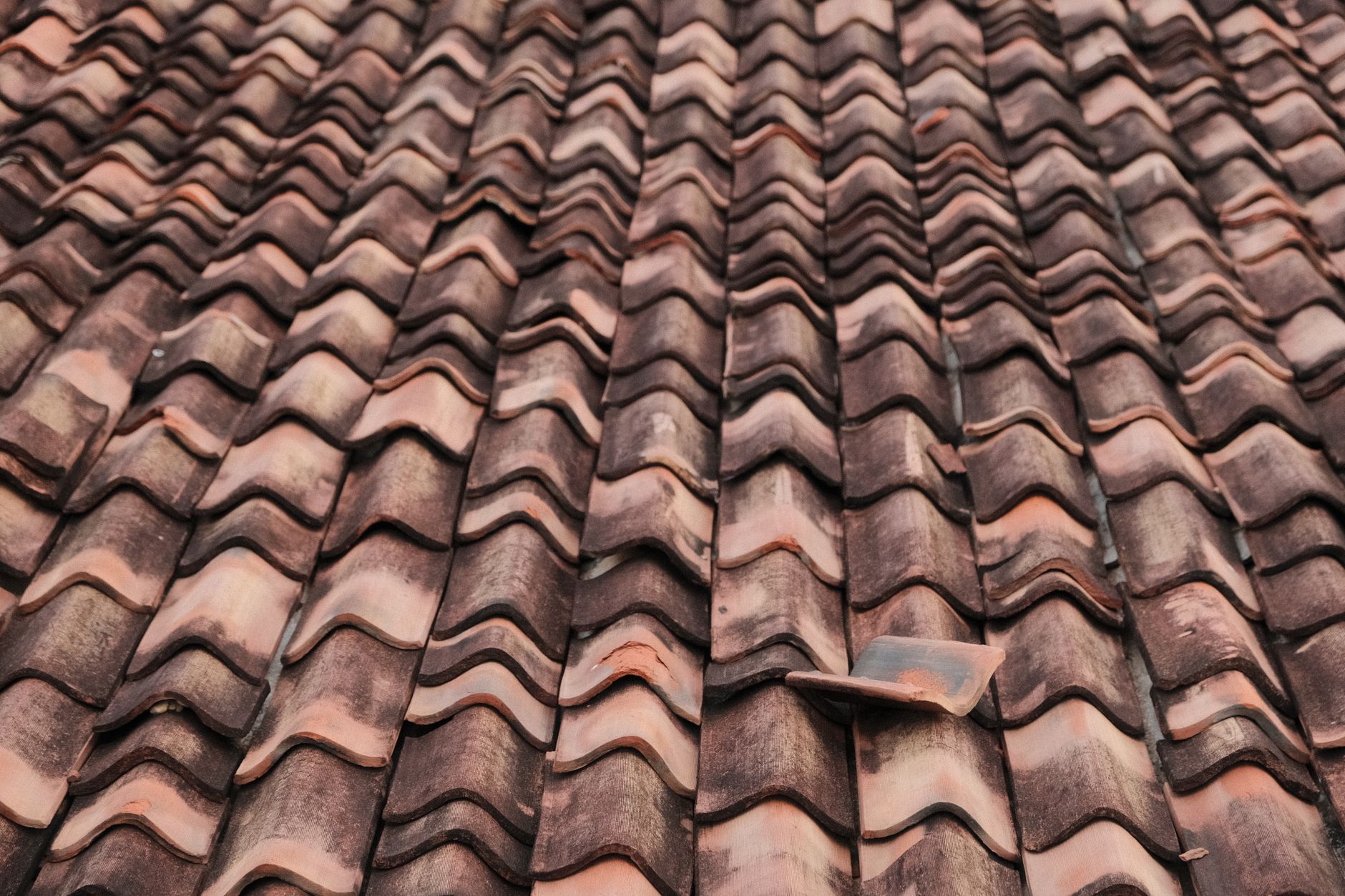
Tile Roof Repair in Arizona
Most Arizona tile roof repairs run $400 to $2,500, and in almost every case the tile is not what failed. Tile lasts 30 to 50 years. The underlayment beneath it fails at 15 to 25 in desert heat, and that membrane is what actually keeps water out. A repair that resets tile without addressing underlayment fixes the symptom. Whether that is the right call comes down to the age of the roof and how many times you have already done it.
Tile is the dominant residential roof across the Phoenix metro, and it fails in a way that confuses homeowners: the visible part looks fine for decades while the invisible part reaches end of life on a much shorter clock.
What does tile roof repair cost in Arizona?
By job type:
- Replacing a few cracked or slipped tiles: $400 to $900
- Flashing repair at a wall, valley, or chimney: $500 to $1,400
- Penetration reseal, including evaporative cooler curbs: $400 to $1,000
- Localized underlayment repair with tile lift and reset: $1,200 to $2,500
- Full section re-tile with new underlayment: $3,000 and up depending on area
The jump between the third and fourth item is where the real decision sits. Surface work is cheap. Anything that requires lifting tile to reach underlayment is a different category of job, and it is the category that actually solves leaks.
Why is the tile almost never the real problem?
Because tile is a rain screen, not a waterproof layer.
Tile sheds the bulk of the water and protects what is underneath from ultraviolet exposure. The underlayment is the actual barrier. The NRCA's technical resources treat underlayment as a defined service-life component rather than a permanent one, and in Arizona that life is compressed.
The NWS Phoenix office documents the sustained extreme heat the low desert absorbs each summer, and attic and deck temperatures run well above ambient. Synthetic underlayments are typically rated 20 to 30 years; the felt used on homes built before the mid 2000s commonly fails at 15 to 20. See why underlayment matters.
So a leak in a tile roof is usually an underlayment message, not a tile message.
What are the most common tile repairs?
Four, and only one of them involves broken tile.
Shifted tile without breakage. Wind lifts and reseats tile without cracking it, exposing underlayment to direct sun and driven rain. This is the most commonly missed damage in Arizona and it typically surfaces as a leak months later. Our 2026 monsoon damage guide covers documenting it after a storm.
Cracked tile from foot traffic. Most often caused by whoever last serviced an air conditioner, satellite dish, or solar array. Tile breaks underfoot, which is also why you should not walk your own roof.
Flashing failure. Wall intersections, valleys, and chimney details fail before the field of the roof does. Genuinely a repair.
Penetration leaks. Vent stacks, and especially roof-mounted evaporative coolers, which are common on older Arizona homes and age at the curb seal, the pan, and the water line.
How do you match discontinued tile?
This is the practical constraint nobody warns you about.
Tile profiles and colors get discontinued constantly. On a roof more than fifteen years old, an exact match is often unavailable. Contractors handle it three ways:
- Harvest from an inconspicuous area. Pull matching tile from a rear slope or behind a parapet, use it for the visible repair, and install non-matching new tile in the hidden spot. This is the standard approach and it works well.
- Source salvage. Regional salvage yards carry discontinued Arizona profiles, which is worth asking about before accepting a mismatch.
- Accept a near match. Acceptable on a rear elevation, a problem on a street-facing slope, and potentially an HOA issue either way.
If your community has an active architectural committee, confirm whether a repair using non-matching tile needs review. Most treat like-for-like repair as exempt, but a visible color break is a different conversation.
When does tile repair stop making sense?
Three signals, and any one of them means you are buying time rather than fixing a roof.
- Leaks in multiple, unrelated locations. One leak is a defect. Three in different places is a failing membrane.
- The roof is 18 years or older on original underlayment. Every repair from here is partial, and the next leak is already forming somewhere you have not looked.
- You have repaired the same roof twice in three years. You are paying for a re-roof in installments, at retail, without getting a new roof.
The alternative is a re-tile: lift the existing tile, replace the underlayment across the whole roof, then reinstall the same tile. It costs far less than full tile replacement because you keep the expensive part. Expect roughly 5 to 10 percent tile breakage during handling, replaced with matched stock.
See roof repair versus replacement for the broader framework and how long roofs last in Arizona for lifespan by material.
Is tile repair covered by insurance?
Storm damage usually is. Wear is not.
Wind is a covered peril on standard Arizona homeowners policies, so tile lifted or broken by a documented storm is generally claimable. Underlayment that aged out is maintenance, and no policy covers it. That distinction is exactly what an adjuster is evaluating, and it is why damage tied to a specific dated storm event holds up better than a general report of a leak.
Run the deductible math before filing. A $900 tile repair against a percentage-based wind deductible is not a claim. See roof damage insurance coverage in Arizona and how to file a roof insurance claim.
How do you choose a tile repair contractor?
Verify the license is active and correctly classified at the Arizona Registrar of Contractors, since roofing carries a specific classification that a general residential license does not cover.
Then ask one question that separates competent tile roofers from the rest: what did the underlayment look like where you lifted the tile? A contractor who cannot answer did not look, and a repair placed over failing underlayment will be back within a season or two.
Get the scope in writing, including what happens if underlayment damage turns out to be wider than the quoted area. If work goes wrong, the ROC complaint process requires the contractor to have been licensed at the time of the work and imposes a two year filing deadline.
Frequently Asked Questions
How much does it cost to replace a few broken roof tiles in Arizona? Typically $400 to $900 for a small number of tiles, depending on access, profile availability, and whether underlayment beneath them needs attention.
Can you repair a tile roof without removing the tile? Only for surface issues like replacing a cracked tile in place. Anything involving the waterproof layer requires lifting tile, because the underlayment sits beneath it.
How do I know if my tile roof leak is a repair or a re-roof? Age and pattern. A single leak on a roof under 15 years old is a repair. Multiple leaks in unrelated spots on a roof over 18 years old is a membrane at end of life.
Does walking on my tile roof damage it? Yes, frequently. Tile cracks underfoot, and the damage often is not visible from the ground until it leaks. This is why HVAC and solar service visits are a common source of tile damage.
What is a re-tile and how is it different from replacement? A re-tile lifts your existing tile, replaces the underlayment across the roof, and reinstalls the same tile. You pay for labor and underlayment rather than new tile, which is why it costs meaningfully less than full replacement.
Know your number before you call a roofer.
Free Roof Cost Estimate