Tile Roof vs Shingle: What Reddit Gets Right (and Wrong)
If you searched "tile roof vs shingle reddit" you already know the forums are full of strong opinions, regional bias, and advice from people who live in Ohio, not Phoenix. This article fact-checks the most common Reddit claims against manufacturer data, Arizona code documents, and real East Valley conditions. The short version: tile wins on longevity in desert climates, but shingles are a legitimate budget option if you know what you are getting into.
What are the real differences between tile and shingle roofs?
The core difference is material lifespan, weight, and upfront cost. Tile roofs last 30 to 50 years in Arizona conditions. Asphalt shingles last 15 to 20 years in the same climate. Everything else in the tile vs shingle debate flows from those two facts.
Asphalt shingles are the most common residential roofing material in the U.S. They come in three main styles: three-tab, architectural (laminated), and premium designer profiles. According to GAF's overview of shingle types, architectural shingles are the current industry standard because they carry better wind ratings and longer warranties than three-tab products.
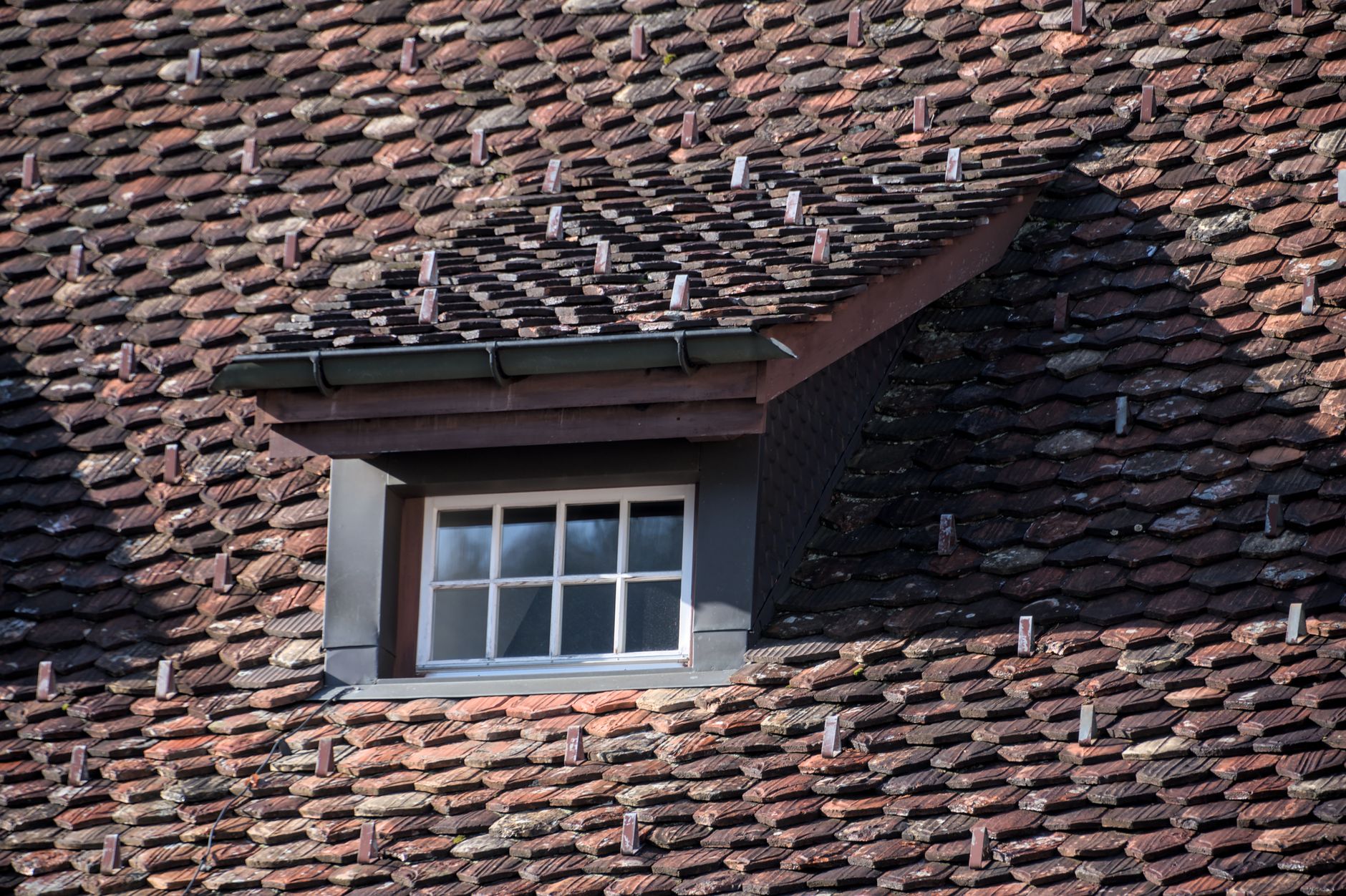
Tile roofs come in clay and concrete variants. Clay tile is fired ceramic, which makes it naturally resistant to UV degradation. Concrete tile is denser and slightly heavier but costs less upfront. The Tile Roofing Industry Alliance notes that properly installed tile roofs routinely last 50 years or more, a claim backed by NIST data on clay tile's physical durability.
In the Phoenix metro East Valley, UV index regularly exceeds 11 during summer months. That UV load degrades asphalt binder faster than in northern climates. A shingle roof warranted for 30 years in Connecticut may perform for only 15 to 20 years in Chandler or Gilbert. Tile is inert to UV in a way that asphalt simply is not.
What does Reddit actually get right about tile vs shingle?
Reddit threads on this topic tend to nail the weight and cost arguments correctly. Where they go wrong is generalizing northern U.S. and Canadian experiences to Sun Belt homes.
Reddit users frequently point out that tile is heavier than shingles, and that is accurate. Concrete tile can run 900 to 1,200 pounds per square (100 sq ft), versus roughly 250 to 400 pounds per square for architectural shingles. This matters for structural loading. The InterNACHI guide to structural design loads explains how dead load calculations must account for roofing material weight. Many Phoenix-area homes built after 1980 were designed with tile loads in mind, so always verify with a structural assessment before switching material types.
Reddit also correctly identifies that shingles are cheaper upfront. That part is true. Where the forum advice falls apart is the total cost of ownership math. A shingle roof replaced twice over 40 years costs more in combined labor and materials than one tile roof installed correctly the first time. Owens Corning's roof replacement cost breakdown confirms that labor accounts for a significant portion of any roofing project, meaning replacement frequency matters as much as material price per square.
How much does each roof type cost in Arizona?
Expect to pay $8,000 to $18,000 for asphalt shingles on a typical 1,500 to 2,500 sq ft Phoenix-area home, and $15,000 to $35,000 or more for tile, depending on profile and whether structural reinforcement is needed.
GAF's roofing cost resource puts national averages in a range that skews lower than Arizona contractor quotes, largely because labor rates and disposal fees in the Valley are higher than many Midwest markets. Use national figures as a floor, not a ceiling.
IKO's homeowner cost guide breaks down cost drivers that apply directly here: roof pitch, number of penetrations (HVAC units are common on flat-to-low-slope Arizona roofs), existing layer removal, and underlayment specification. In Scottsdale and Mesa, city inspectors require permits for re-roofing. The City of Scottsdale re-roofing citizen guide details what triggers a permit and what inspections are required, so factor that into your timeline and budget.
Does tile actually hold up better in Arizona heat and monsoons?
Yes. Clay and concrete tile are essentially inert to UV radiation and handle thermal cycling far better than asphalt. They also allow airflow beneath the tile that reduces attic heat gain. Monsoon wind and hail are the main vulnerabilities for both materials.
Arizona's monsoon season runs June 15 through September 30. Wind gusts during haboobs regularly exceed 60 mph. CertainTeed's shingle selection guide recommends specifying shingles rated to at least 110 mph wind uplift for high-exposure regions. Tile, when properly nailed and in some cases mechanically fastened, performs comparably in wind events.
The Arizona State Facilities Board specification for concrete tile roofing and its companion document for clay tile roofing both require specific fastening patterns, underlayment weights, and valley treatments suited to monsoon-intensity rainfall. These specs are written for state buildings but represent best-practice installation standards that any quality contractor should follow on residential work.
Hail is a secondary concern. Tile can crack from large hail impacts, but individual tiles can be replaced without disturbing the full roof. With shingles, localized hail damage often means patching that looks mismatched within a few years.
What do Arizona codes and licensing rules say about roofing contractors?
Arizona requires roofing contractors to hold a license through the Arizona Registrar of Contractors. You should verify any contractor's license before signing a contract, and understand that permit requirements apply to most re-roofing jobs in incorporated cities.
The Arizona Registrar of Contractors license classifications page lists the specific classifications relevant to roofing work. Hiring an unlicensed contractor voids your workmanship recourse and may create issues with homeowner's insurance claims after storm damage.
The Arizona ROC minimum workmanship standards document specifies how flashing, underlayment, and fastening must be performed. These are the standards an inspector will reference if you file a complaint. Knowing they exist gives you leverage when reviewing contractor bids.
Arizona has adopted the International Building Code with state amendments. Current code requirements are accessible through ICC Digital Codes for Arizona. If a contractor tells you something "doesn't need a permit," verify that claim directly with your city building department rather than taking their word for it.
Should you actually listen to Reddit for roofing decisions?
Reddit is useful for identifying questions to ask, not for final decisions. The r/HomeImprovement and r/Roofing communities contain good general-purpose advice, but almost none of it accounts for Arizona-specific climate, code, or contractor licensing realities.
Use Reddit threads the way you would use a consumer forum: they help you understand common failure modes, contractor red flags, and questions to put in writing before signing anything. They are not a substitute for getting three licensed contractor bids, pulling your city's permit history on a prospective contractor, and verifying that the material specified is appropriate for your roof pitch, home age, and HOA rules.
One thing Reddit consistently gets right: do not reroof over existing shingles just to save money on tear-off. Many Arizona jurisdictions limit the number of roofing layers permitted. The Scottsdale re-roofing handout referenced above addresses this directly, and most East Valley cities follow the same logic in their building codes.
Do you actually need a new roof right now?
Maybe not. Many homeowners replace roofs that have years of remaining service life because a storm chaser knocked on their door or an inspector flagged cosmetic granule loss.
Signs that genuinely indicate replacement is needed: visible daylight through the decking from the attic, sagging or soft spots when you walk the roof (safely, or via a contractor), cracked or missing tile that cannot be matched, or active interior water intrusion after rain. Granule loss in gutters on a shingle roof 12 or more years old is worth monitoring but is not by itself an emergency.
If your tile roof is over 20 years old and leaking only at penetrations or valleys, re-flashing and resealing those areas often extends service life by 10 or more years at a fraction of full replacement cost. Get a written inspection from a licensed contractor before authorizing full replacement.
For more guidance on evaluating your current roof's condition, see our Arizona roof inspection checklist and our guide to storm damage claims in the Phoenix metro.
Tile vs Shingle: Side-by-Side Summary
| Factor | Concrete / Clay Tile | Architectural Shingle | |---|---|---| | Lifespan (Arizona) | 30 to 50+ years | 15 to 20 years | | Upfront cost (typical home) | $15,000 to $35,000+ | $8,000 to $18,000 | | Weight per square | 900 to 1,200 lbs | 250 to 400 lbs | | UV resistance | Excellent | Poor to moderate | | Monsoon wind rating | High (when properly fastened) | High (110 mph rated products) | | Repair flexibility | Replace individual tiles | Patch matching degrades over time | | Structural requirements | May need engineering review | Standard framing usually sufficient | | Permit required in AZ cities | Yes | Yes |
Frequently Asked Questions
Is tile roofing worth the extra cost in Arizona? For most homeowners planning to stay in their home more than 10 years, yes. The higher upfront cost is offset by a single installation over the same period that would require two shingle replacements. In the East Valley resale market, tile is also a stronger selling point than shingles.
Can I put shingles on a house that currently has tile? Structurally, yes in most cases, because you are removing weight rather than adding it. However, some HOAs in Scottsdale, Gilbert, and Chandler prohibit shingles outright for aesthetic reasons. Verify with your HOA before getting bids.
How long do shingles really last in Phoenix? Realistically 15 to 20 years for quality architectural shingles, even if the product carries a 30-year warranty. Manufacturer warranties contain UV and temperature exclusions that frequently apply in Arizona desert conditions. Read the warranty document, not just the label.
What is the best underlayment for tile in Arizona? Most Arizona roofers and the state facilities specifications recommend a minimum 40-pound felt or synthetic equivalent under tile, with heavier products in high-wind exposure zones. The underlayment is the waterproofing layer; the tile is the weather surface. Do not let a contractor skip or downgrade it.
Do I need a permit to reroof in the Phoenix East Valley? In virtually all incorporated East Valley cities (Mesa, Chandler, Gilbert, Scottsdale, Tempe, Queen Creek), yes. Permit requirements and inspection processes are city-specific. Unincorporated Maricopa County parcels have separate rules. Always confirm with your jurisdiction before work begins.
How do I verify a roofing contractor's license in Arizona? Use the public license lookup tool on the Arizona Registrar of Contractors website. Enter the contractor's name or license number and confirm the classification, expiration date, and any disciplinary history before signing anything.
*For more East Valley roofing resources, see our tile roof repair guide for Phoenix homeowners, our shingle roof buying guide, and our contractor vetting checklist.*
Know your number before you call a roofer.
Free Roof Cost Estimate