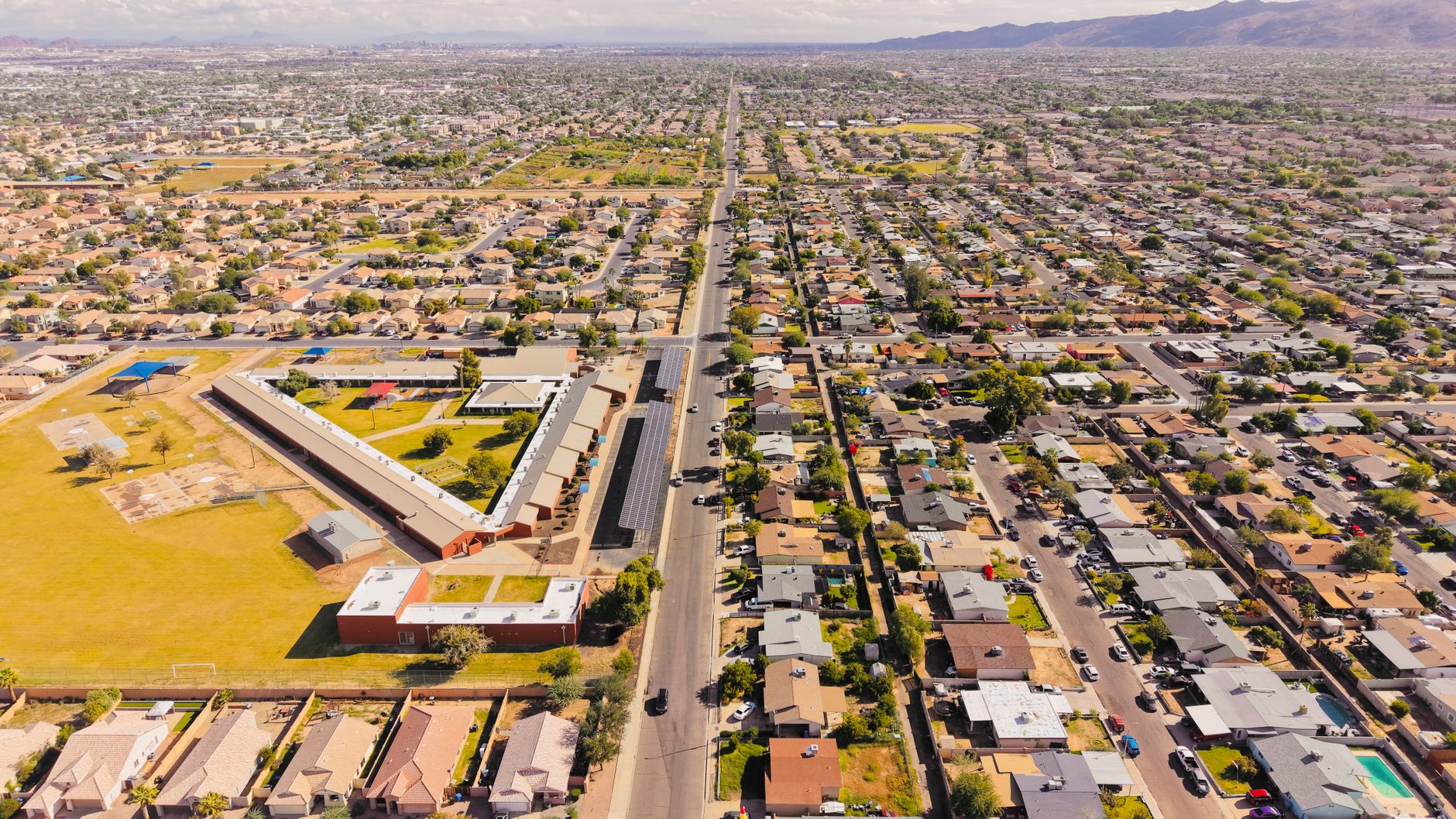
Roof Inspection in Chandler, AZ
TLDR: A professional roof inspection in Chandler, AZ costs $0 to $300 depending on whether you use a licensed roofing contractor or an independent inspector. Most roofing contractors inspect for free when repairs or replacement are possible. The best times to schedule in Chandler are April through May before monsoon season, and before listing a home for sale. On a Chandler tile roof, the most important thing an inspection reveals is underlayment condition, which cannot be assessed from the ground.
Most Chandler homeowners don't think about their roof until water appears on a ceiling. That's the wrong time to start. A Chandler tile roof built in the late 1990s or early 2000s may look fine from the street while the felt underlayment beneath it is fully failed. A pre-monsoon inspection in April or May finds those conditions before a monsoon storm turns them into a $3,000 interior water damage event.
What does a roof inspection cost in Chandler, AZ?
Inspection pricing varies by who performs it:
- Roofing contractor inspection: Free to $150 for most Chandler homes. Contractors typically inspect at no charge when repair or replacement is a realistic outcome. If you want a paid written report with no sales follow-up, expect $150 to $300
- Independent roofing inspector: $200 to $400 for a detailed written assessment with photos, useful for pre-purchase, pre-listing, or insurance documentation
- General home inspector: $75 to $150 as part of a full home inspection, but coverage is less detailed than a dedicated roofing inspection. A home inspector typically walks the roof or views it from a ladder; a roofing contractor will lift tiles to assess underlayment
For pre-purchase or pre-listing purposes, a dedicated roofing contractor inspection produces more actionable findings than a general home inspection's roof section. See whether to replace a roof before selling in Arizona for how inspection findings affect the sale timeline.
When should a Chandler homeowner get a roof inspection?
Four situations call for a roof inspection:
Before monsoon season (April to May): Chandler's monsoon season runs June through September. An inspection in April or May identifies failed pipe boots, degraded flashing, cracked tiles, and stressed underlayment before the first storm arrives. Fixing a $300 pipe boot in May beats patching a ceiling in July.
After a significant storm: Any hail event or wind storm above 40 mph is a reason to have the roof assessed. Tile damage from hail is frequently invisible from the ground and is missed until a leak develops months later.
Before listing the home: A pre-listing inspection lets you know what the buyer's inspector will find, and gives you the option to repair, disclose, or price accordingly before negotiations start.
When the roof is 15 to 20 years old: Most Chandler homes built between 1995 and 2010 are approaching or past the point where underlayment replacement is due even if the tile looks fine. See how long Arizona roofing materials last for what triggers a replacement recommendation by age.
What does a thorough Chandler tile roof inspection cover?
A complete inspection on a Chandler tile roof includes:
Tile field: Each section checked for cracked, chipped, or displaced tiles. Hip and ridge caps are assessed separately, they take more wind stress than flat field tiles and fail first.
Underlayment condition: Requires lifting representative tiles in multiple roof sections. This is the most critical part of a Chandler inspection and the step that separates a real inspection from a visual scan. Degraded underlayment is often the deciding factor between repair and full replacement.
Flashing at all penetrations: Every HVAC curb, skylight, pipe boot, and wall flashing point is examined for failed sealant, lifted metal, or open gaps. These are the most common active leak sources on Chandler tile roofs.
Valley condition: Valley metal is inspected for corrosion, improper overlap, and debris accumulation that creates water damming during monsoon rain.
Fascia and soffit: Visible wood rot or pest damage at the roof edge that indicates prior moisture intrusion from above or below.
Gutters and drainage: Proper attachment, debris load, and downspout clearance that affects how fast monsoon rain evacuates the roof.
Roofing contractor inspection vs. home inspector: what's the difference?
A general home inspector covers the roof as one item on a whole-home checklist. They note visible conditions from a ladder or walking accessible sections. They do not typically lift tiles, access hidden flashing points, or assess underlayment.
A licensed roofing contractor inspection is scope-specific and includes hands-on assessment of the components most likely to fail on a Chandler tile roof. The trade-off is the contractor has an incentive to find work. Getting two independent contractor opinions on a roof near end-of-life neutralizes that concern.
Always verify the contractor's ROC license at the Arizona Registrar of Contractors before they access your roof.
What do Chandler HOAs require related to roof inspections?
Fulton Ranch, Ocotillo, and other Chandler HOA communities don't require homeowners to schedule proactive inspections. However, HOA governing documents typically include maintenance standards, if an HOA board observes visibly deteriorating roofing, they may issue a maintenance notice requiring the homeowner to address it.
If you receive an HOA maintenance notice related to your roof, get a contractor inspection before responding. The notice may be based on a visual observation that doesn't reflect actual structural condition. A written contractor assessment is appropriate documentation when responding to an HOA maintenance requirement. See HOA roof approval in Chandler for how formal roof work interfaces with Chandler's ARC process.
What happens after a roof inspection in Chandler?
A clean inspection with no significant findings is documentation worth keeping. It establishes a baseline for future assessments and is useful if an insurance claim or sale arises later.
An inspection that finds issues produces one of three outcomes:
- Targeted repairs: Failed pipe boot, cracked tile section, or degraded flashing that a contractor can address in a half-day visit
- Monitored watch list: Minor underlayment degradation or early-stage valley corrosion that warrants re-inspection in 12 to 18 months
- Full replacement recommended: Widespread underlayment failure, significant tile cracking, or structural issues that make repair uneconomical
Use the findings to get a cost estimate through the roofinstall.net estimator before committing to a contractor.
Does the repair your inspection recommends need a Chandler permit?
Often not, and that surprises people. The City of Chandler Homeowner Building Permit Manual exempts "like for like replacement of ... roof coverings where the replacement roof does not increase the load imposed upon the structural frame." Same tile for same tile adds no load, so no permit.
The exception matters if your inspection recommends changing materials. Chandler requires a permit to re-roof when "replacing the old roofing material with a different material such as concrete tile," and the manual states that "an engineering analysis is required to determine if the existing roof assembly will withstand the additional loads." Budget $500 to $1,500 and two to four weeks for that report before a permit issues.
There is a consequence homeowners rarely think about. Because most Chandler re-roofs are exempt, no city inspector ever looks at your decking. Confirm your scope with Chandler Building Safety, and understand that the inspection you pay for is the only one that happens.
Frequently Asked Questions
Do I need a permit for a roof inspection in Chandler? No. Inspections, including tile lifting for underlayment assessment, do not require a City of Chandler permit. Permits are required when repair or replacement work begins. See Maricopa County roofing permit requirements for what scope triggers a permit obligation.
How long does a roof inspection take in Chandler? A thorough contractor inspection on an average Chandler home takes 45 minutes to 2 hours, depending on roof size, pitch, and number of penetrations. A written report with photos typically follows within 24 to 48 hours.
Should I be home during the roof inspection? Not required, but recommended. Being present lets you ask the inspector questions in real time, see specific problem areas pointed out, and get a verbal summary before the written report arrives. If you can't be there, arrange access to all roof sections and ask for a call or video walkthrough after the inspection.
Can a roof inspection void my warranty? Legitimate inspections by licensed professionals do not void roofing warranties. Improper access or damage caused during an inspection could be an issue, but this is not a normal outcome of a professional inspection. If your roof is under an active manufacturer warranty, verify the inspector's credentials before authorizing access.
Know your number before you call a roofer.
Free Roof Cost EstimateGet 3 Free Quotes from Licensed Chandler Roofers
We connect you with ROC-licensed contractors only. No spam. No obligation.